



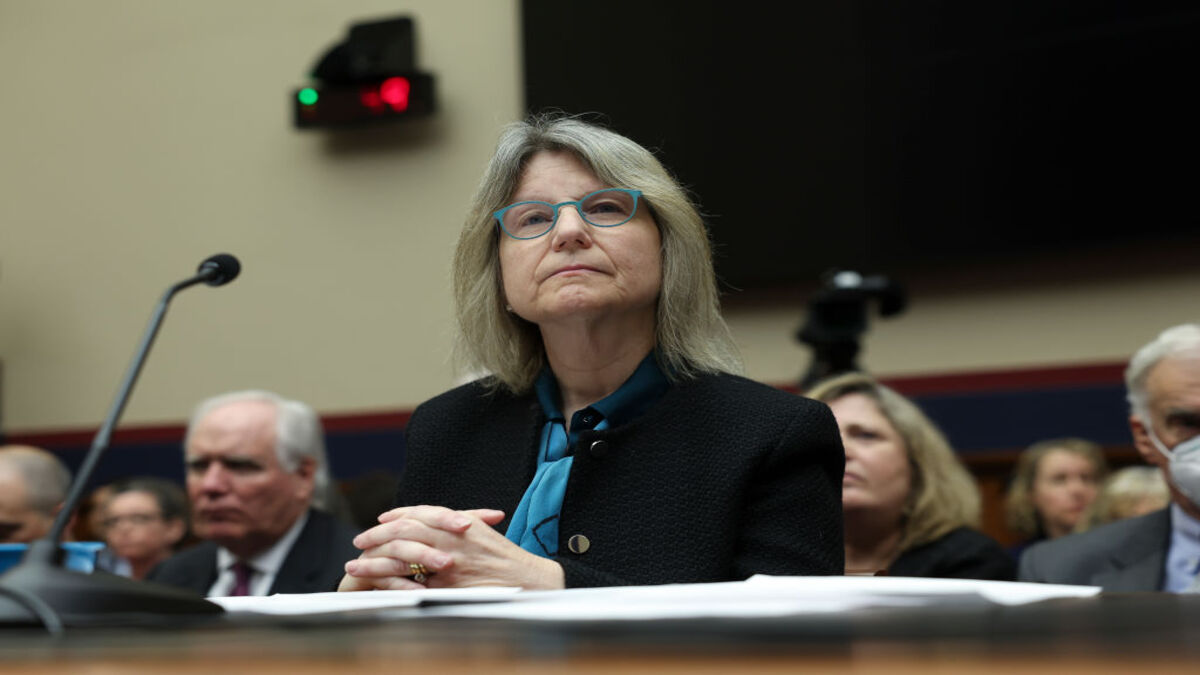

Massachusetts Institute of Technology President Sally Kornbluth on Friday publicly rejected an offer from the Trump administration that would link the university’s federal funding to compliance with certain White House priorities on higher education. The move comes as the administration seeks to influence college finance, admissions, and faculty hiring through a voluntary compact with nine selected institutions.
The compact proposes benefits including increased federal grants and overhead payments, but critics say the arrangement carries significant penalties for noncompliance, threatening financial stability and institutional independence. Former university presidents and higher education leaders have warned that the agreement effectively creates a one-sided deal, offering minimal upside while exposing colleges to potentially existential risks.
Ted Mitchell, former president of Occidental College and current head of the American Council on Education, said MIT’s rejection reflects concerns shared across the academic community. “One of the things I appreciate most about Sally Kornbluth’s letter is that she is capturing what a lot of presidents are saying behind the scenes,” Mitchell said, per Politico.
Universities Weigh Independence Against Federal Pressure
The Trump administration has for months attempted to assert influence over higher education, including launching civil rights investigations, restricting international student enrollments, and withholding federal research funding. The current compact is positioned as a more conciliatory offer, promising benefits while asking colleges to meet White House mandates.
These include tuition freezes, limits on international undergraduate enrollment, and policies defining sex as “male” or “female.” Institutions would also be expected to adopt “institutional neutrality” on societal and political events.
However, former university leaders warn that these requirements, combined with severe financial penalties for noncompliance, could undermine self-governance and academic freedom. If a school is found in violation, it could lose access to federal aid, grants, and contracts for a year and be required to repay any federal funds received. Former Dartmouth President Phil Hanlon described the compact’s demands as “extreme” and a potential threat to the traditional partnership between universities and the federal government.
Universities such as the University of Virginia, Dartmouth College, and the University of Pennsylvania have similarly indicated reluctance to comply. Interim UVA President Paul Mahoney noted the difficulty in meeting certain provisions, while Dartmouth President Sian Leah Beilock emphasized the importance of preserving academic freedom.
The initial group of nine schools has until October 20 to provide feedback, with the White House aiming to identify institutions “in clear alignment” with its higher education priorities by November 21. Observers say the responses from these leaders could set a precedent for how the federal government engages with universities in the future, balancing oversight with respect for institutional autonomy.







Published: Oct 11, 2025 12:36 pm