



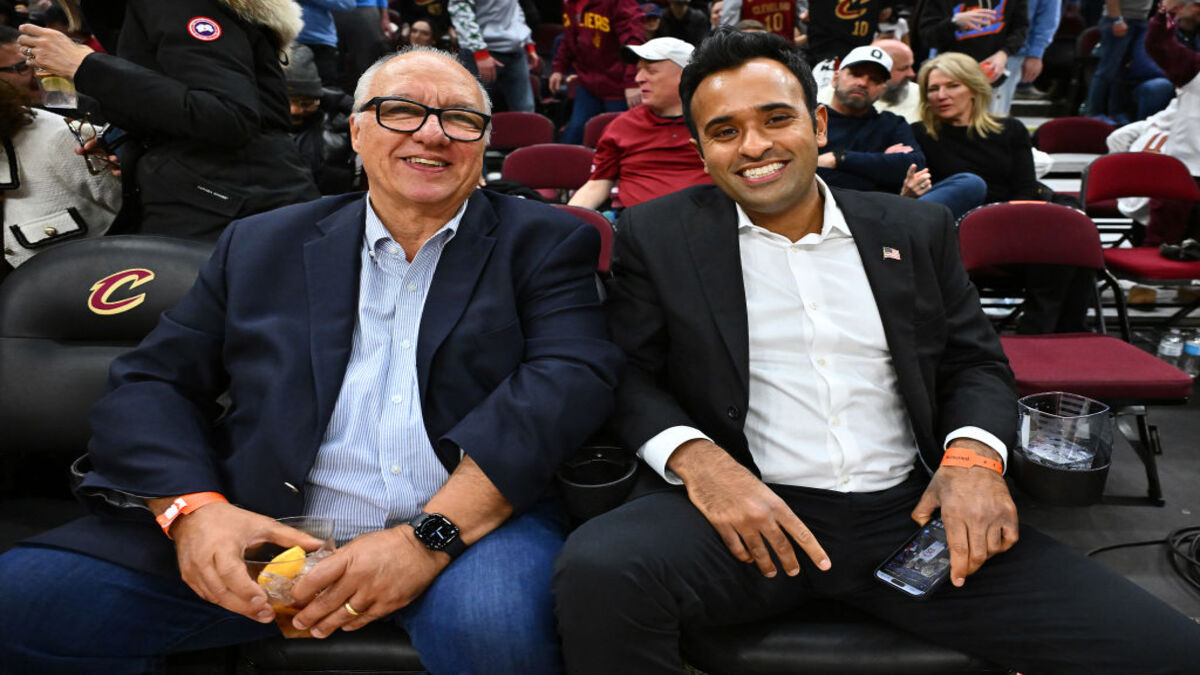

Cleveland-Cliffs CEO Lourenco Goncalves has publicly praised President Donald Trump’s steel and aluminum tariffs, saying they could help revitalize the U.S. steel industry, despite broader concerns about their impact on the economy. The Ohio-based steelmaker has been directly affected by foreign competition, and Goncalves says the increased tariffs provide much-needed protection for domestic producers.
Trump first imposed a 25 percent tariff on steel and aluminum in February, later doubling it to 50 percent in June. According to Politico, Goncalves indicated he played a role in advocating for the higher rate, stating that he had “influenced that 50 percent” without giving further details. He also said “I believe what Trump’s trying to do is for the betterment of the country.” The tariffs are intended to curb cheap imports from China and other countries, a longstanding concern for U.S. manufacturers.
While other industries, including automakers and pharmaceutical companies, have criticized the tariffs for raising production costs and contributing to inflation, Goncalves expressed strong support. He said that for the steel sector, the protectionist measures are an opportunity to stabilize production and potentially bring back jobs to U.S. mills.
Looking At The Effects On Domestic Manufacturing And The Wider Economy
Despite Goncalves’ optimism, economic data suggests mixed results for the broader U.S. manufacturing sector. The Institute for Supply Management reported seven consecutive months of declining activity across manufacturing, and job numbers have been falling for over two and a half years. Critics argue that while tariffs benefit steel producers, they increase costs for businesses that rely on steel as an input, potentially slowing economic growth elsewhere.
Goncalves also commented on Trump’s handling of U.S. Steel’s attempted sale to Japan’s Nippon Steel, noting that he prefers to make decisions independently at Cleveland-Cliffs. The federal government negotiated a “golden share” arrangement with Nippon, giving Washington veto power over plant closures. Goncalves said he did not see the agreement as an advantage for competitors and expressed confidence in his company’s ability to manage operations.
U.S. Trade Representative Jamieson Greer highlighted the administration’s broader strategy to reduce excess steel imports and address global overcapacity. Greer noted that while China continues to displace steel producers globally, U.S. measures are designed to help domestic manufacturers remain competitive.
The CEO’s endorsement of Trump’s trade policies reflects the administration’s continuing support in key manufacturing regions, particularly in the Rust Belt. Analysts suggest that the steel industry’s approval of tariffs could influence political outcomes in states like Ohio, where manufacturing remains a critical part of the economy. However, public opinion is more cautious. Polling by Bowling Green State University shows that only 25 percent of Ohio voters believe tariffs will benefit them personally, while 38 percent think they will help the U.S. generally.





Published: Oct 13, 2025 10:24 am