



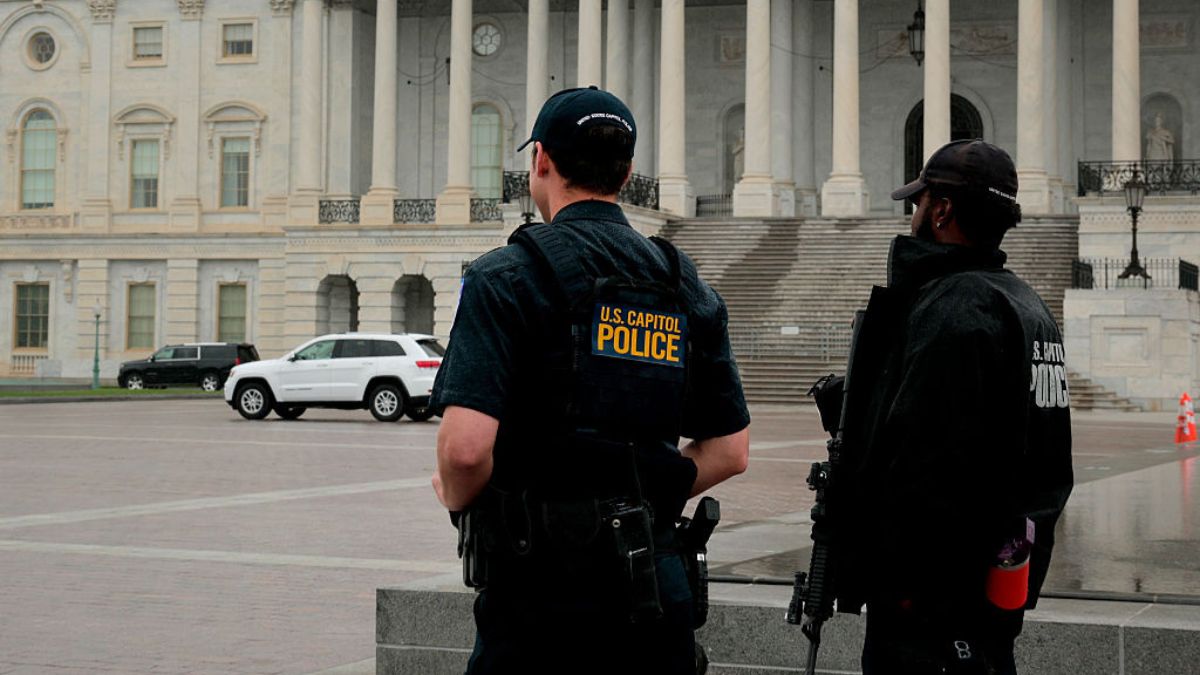

Rahmanullah Lakanwal, 29, is facing first-degree murder charges after shooting two National Guard members near the Farragut West Metro station in Washington D.C. last Wednesday. Army Specialist Sarah Beckstrom, 20, died from her injuries, while Air Force Staff Sergeant Andrew Wolfe, 24, is still in critical condition. A former unit mate who served with Lakanwal says he was dealing with serious mental health problems and could not support his family before the attack.
According to Rolling Stone, Lakanwal is an Afghan national who served nearly 10 years in a CIA-backed Afghan force called the “Zero Units” in Kandahar. After the war, he moved to Bellingham, Washington in September 2021 with his wife and five sons through Operation Allies Welcome. But starting a new life proved extremely difficult for him.
His financial situation was terrible. He lost his job at a laundromat because he did not have a work authorization card, even though the Trump administration had approved him for asylum and allowed him to work. About a month before the shooting, he told his unit mate that his family could not afford food or rent because of missing immigration paperwork. His unit mate said Lakanwal broke down crying from frustration during that conversation.
Years of loyal service meant nothing when he needed help
In June, Lakanwal tried getting help through a CIA program made for Zero Unit veterans with immigration problems. Rolling Stone saw evidence of Lakanwal posting messages asking for help in a group chat. His last post got no response and was deleted by the chat administrator. “He’s very sad [depressed],” one of his Afghan unit mates said. “He’s very worried. This problem, like, he’d say, ‘I am working nine years or 10 years with [the] U.S. government. [They] never answer my phone [call].’”
Lakanwal also had major mental health issues. He would go through long periods of isolation, sometimes not talking to his family for weeks. Then he would have manic episodes where he would suddenly drive across the country to places like Chicago or Arizona for weeks.
In January 2024, a community advocate worried Lakanwal might be suicidal and asked a refugee organization for help. The organization visited Bellingham in March 2024, but Lakanwal and his family refused their help. Like a mother who knew doctors failed her son, sometimes people sense when the help offered isn’t enough.
He also felt isolated where he lived. In September, Lakanwal’s nephew asked the Bellingham housing authority to move him closer to the Afghan community in Seattle. The nephew said Lakanwal felt isolated, had poor English skills, and needed to find work urgently. The application also said Lakanwal did not feel safe in Bellingham after someone assaulted him by spraying something in his eyes.
“Every time, like looking [for] somebody [to] help for documents, somebody [to] help for pay the rent, he’s not going to work,” Lakanwal’s Afghan unit mate said. His situation reflects how discovering something truly heartbreaking can change everything for someone already struggling.
After the attack, President Trump called it a “terrorist attack” and ordered a review of all Afghan nationals admitted under the Biden administration. Homeland Security Secretary Kristi Noem, Vice President J.D. Vance, and FBI Director Kash Patel blamed former President Joe Biden, saying Lakanwal and other refugees were “unvetted.” CIA Director John Ratcliffe said Lakanwal should never have been allowed into the U.S.
But Lakanwal actually went through more vetting than most Afghans. Soldiers had to be recommended and then vetted by the CIA before joining the Zero Units. The vetting worked so well that these units never had an insider attack. The Zero Unit community feels hurt by claims they should not have been allowed in the U.S., especially after protecting CIA officers for nearly 20 years.







Published: Dec 2, 2025 03:15 pm