



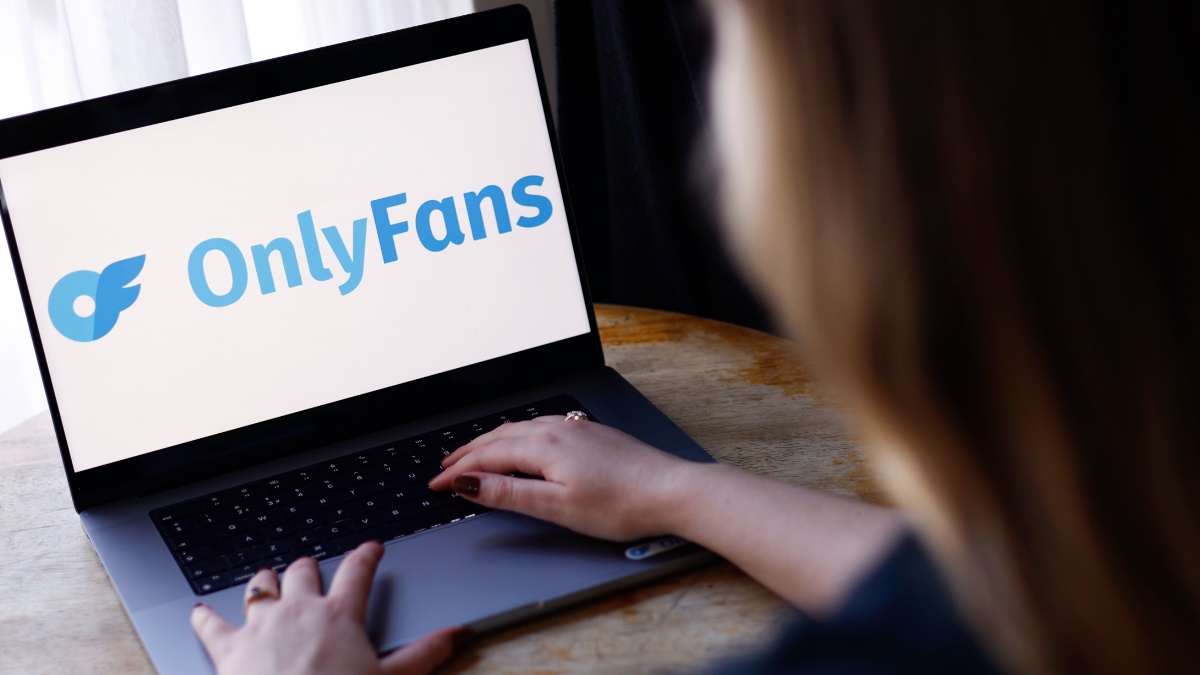

The definition of “extraordinary ability” in the eyes of US immigration is changing dramatically, as content creators and influencers are now dominating requests for the coveted O-1 work visa, as per The Guardian. This visa category, once reserved for movie stars and legendary athletes, is seeing incredible growth. The number of O-1 visas granted annually actually jumped by a staggering 50% over the last decade, between 2014 and 2024.
This shift means the metrics used to prove talent have moved from box office receipts to follower counts and subscription revenue. Attorney Michael Wildes, whose firm has handled applications for figures like soccer star Pelé and musician Sinéad O’Connor, confirmed this massive cultural pivot. He said his firm now regularly works with social media influencers, Twitch streamers, and even the “OnlyFans crew.” If you are a content moderator, though, the Trump administration has bad news for you.
The O-1B visa is typically designated for individuals with extraordinary achievement in the arts or film, not to be confused with the H-1B visa, which was a focal point of controversy recently. To qualify for O-1B, you must provide evidence of meeting at least three specific criteria, such as having national recognition or commercial success. In 2026, those criteria are stretching even further to officially recognize the accolades of an influencer.
It turns out that having a massive, engaged audience is now the golden ticket
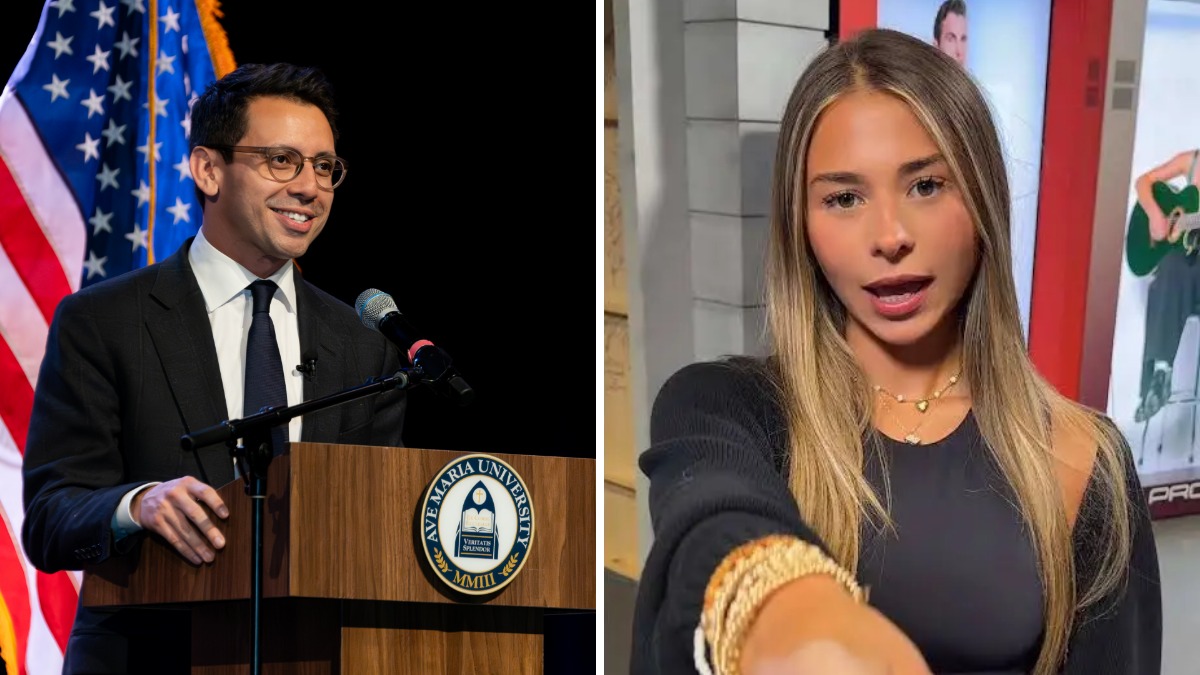
For creators, the key piece of evidence is cold, hard data. Canadian content creator Julia Ain, who received her O-1B visa, highlighted her sizable income and impressive social media metrics in her application. Ain told reporters that her application wasn’t based on a single viral video. She showed the government that she had a consistent following that was not only watching her content but actively paying for it month after month.
Five years ago, Ain was a bored student at McGill University during the Covid-19 lockdown. She started posting on TikTok and found she grew a fanbase quickly. Now, the 25-year-old has 1.3 million combined followers across various platforms. She makes a five-figure income every month primarily through Fanfix, a safe-for-work platform for monetizing content. She launched on that platform in August 2023 and the company ended up sponsoring her visa application.
It’s clear that follower count is now a critical, verifiable asset for a visa application. Dina Belenkaya, a Russian Israeli chess player, successfully leveraged her content creation profile to get her O-1B visa approved in December 2023. She listed her follower counts on Instagram (1.2 million), Twitch (108,000), and YouTube (799,000) as part of her profile. She has since moved to Charlotte, North Carolina.
The process is incredibly high-stakes and expensive. The viral music group Boy Throb spent months campaigning just to reach 1 million followers on TikTok so one of their members, Darshan Magdum, could use that statistic on his O-1 application. The band, which had Magdum edited in from India while the three US-based members danced, reached their 1 million goal within a month. Even with that metric, they admitted the process has been complicated and expensive, costing them more than $10,000 in fees.
This trend has drawn some criticism. One political analyst posted that the trend was indicative of “end-stage empire conditions.” However, Ain quickly pushed back on the criticism that influencing isn’t a legitimate profession. She stressed that people don’t realize how much hard work actually goes into it. She acknowledged that people might disagree with the way the money is being made or what people are watching. However, people are still watching and paying for it, she pointed out.





Published: Jan 12, 2026 01:00 pm