



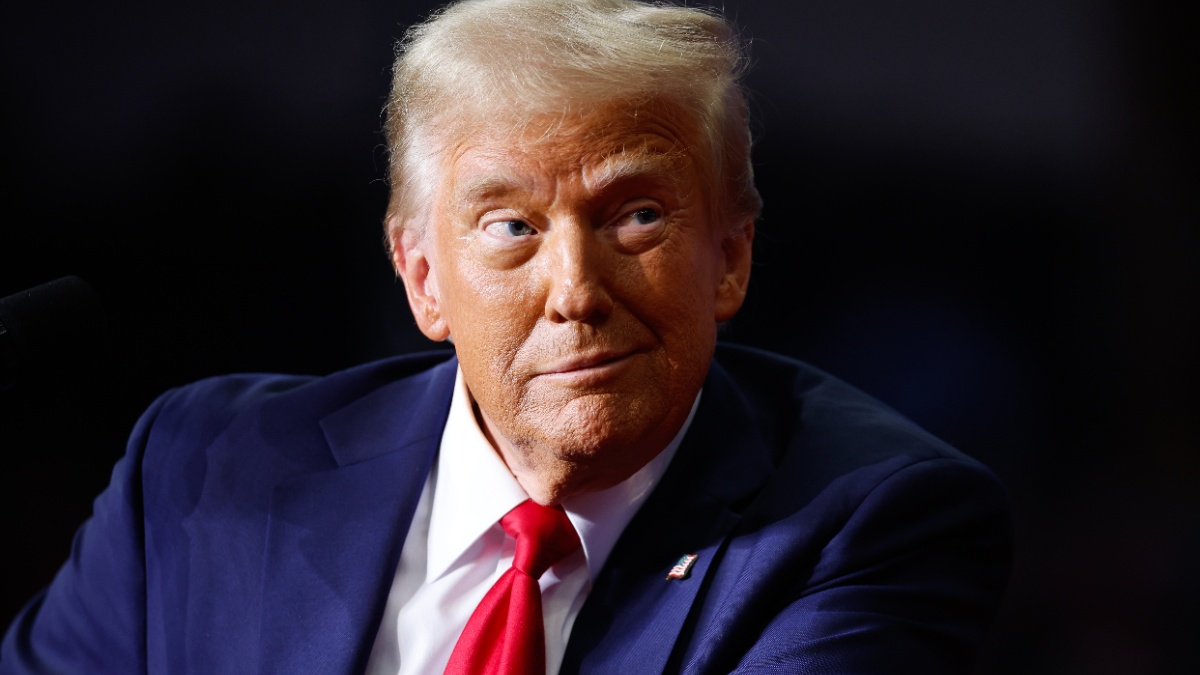

President Donald Trump has introduced new uncertainty into the healthcare debate by saying he may veto legislation that would extend key federal health insurance subsidies under the Affordable Care Act. The statement has raised concerns among lawmakers and insurers as Congress weighs whether the extension can move forward.
Those subsidies expired at the end of 2025, and their lapse is expected to drive significant premium increases for millions of Americans who rely on ACA marketplace plans. Without the tax credits, many enrollees face sharply higher monthly costs as they attempt to maintain coverage, according to Reuters
The veto threat adds to a growing list of high-stakes policy positions from Trump, who has recently signaled hardline stances across multiple fronts, including foreign policy and sanctions, as seen in his comments on Iran and U.S. military constraints. Those remarks have underscored a broader strategy that prioritizes pressure and escalation over compromise.
Bipartisan momentum now faces a familiar obstacle
The U.S. House of Representatives recently passed a Democratic-backed bill to reinstate the subsidies, with 17 Republicans joining Democrats in support. The vote marked a rare instance of bipartisan agreement on healthcare policy and raised hopes that Congress could move quickly to address the looming cost increases.
The path forward remains uncertain in the Senate, where Republicans previously rejected similar legislation. While House passage can sometimes shift negotiations, there is no guarantee the Senate will advance a compromise measure, particularly given opposition within the party.
Trump’s veto threat further complicates the situation and mirrors his broader approach to negotiations, where pressure tactics have also been used in areas such as U.S.–Cuba relations following the removal of key economic support. In both cases, the administration has relied on leverage rather than consensus to influence outcomes.
The uncertainty comes as the ACA open enrollment period approaches its deadline. Federal officials could extend that deadline, but no such move has been announced. If the subsidies are not restored, insurers and consumers alike could face renewed instability, with higher premiums pricing some families out of coverage altogether. Lawmakers now face pressure to determine whether a deal is possible or whether the lapse will continue into the year.







Published: Jan 13, 2026 05:30 am