



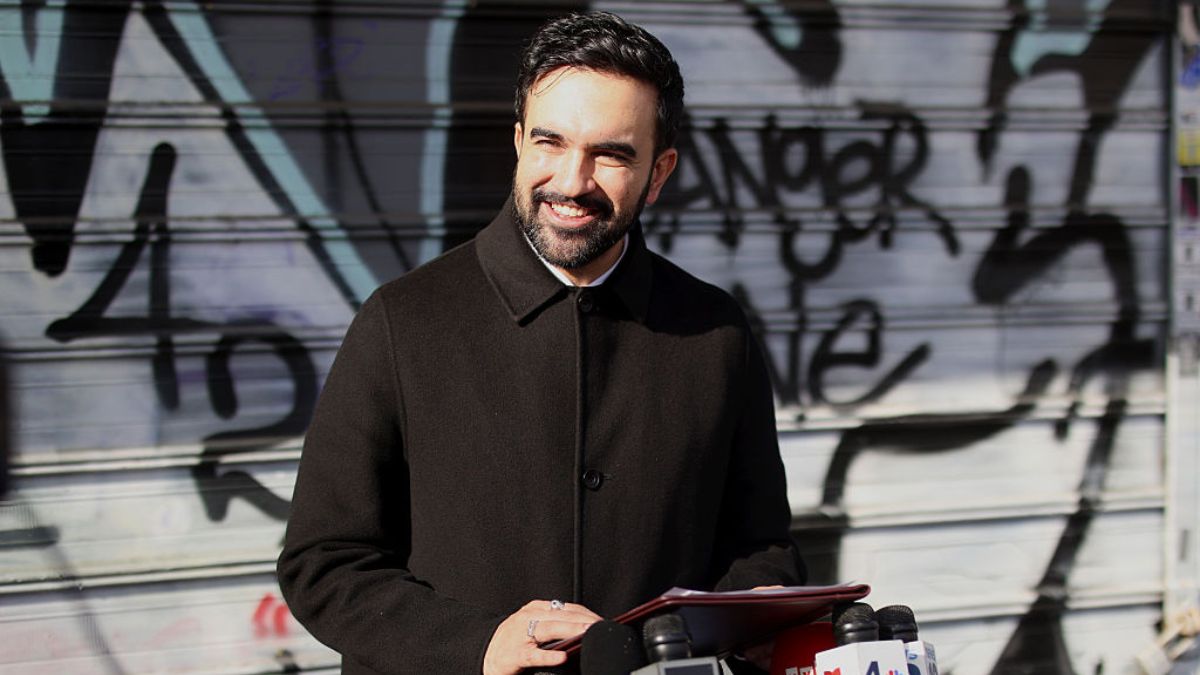

New York City Mayor Zohran Mamdani is facing his first major test as a massive blizzard is expected to bring up to a foot of snow to the five boroughs this weekend. Managing a major snowstorm has long been seen as a defining moment for new mayors, regardless of ideology, because it directly affects daily life across the city.
The stakes were outlined as the situation gained attention through The New York Times, which noted that New Yorkers often judge leadership by how effectively basic services function during crises. For Mamdani, this storm represents an early opportunity to demonstrate control over city operations under pressure.
In public appearances this week, the mayor has emphasized that while the weather itself is unpredictable, preparation is not. He acknowledged that residents would judge his administration based on the response and said the city’s readiness is fully within its control.
New York’s winter history leaves little margin for error
Mamdani’s administration has outlined extensive preparation plans ahead of the storm, which is forecast to deliver six to 12 inches of snow from Saturday night through Monday morning. The city plans to deploy about 2,000 sanitation workers working 12-hour shifts, along with roughly 700 salt spreaders, and to pre-brine major roads, streets, and bike lanes ahead of time.
The focus on infrastructure readiness comes as broader concerns mount nationally, including warnings that the U.S. power grid faces its biggest winter test. Residents have also been urged to complete grocery shopping early and sign up for emergency text alerts.
One decision likely to draw criticism is the absence of a traditional snow day. Mamdani announced Friday morning that schools will remain open Monday, offering either in-person or virtual instruction. He cited the state requirement of 180 instructional days, noting that recent additions to the school calendar left little flexibility.
The political risk is amplified by New York City’s history with snowstorms. In 2010, Mayor Michael R. Bloomberg was widely criticized for being on vacation during a major blizzard. In 2014, Mayor Bill de Blasio faced backlash in his first month in office over delayed snow removal in parts of Manhattan. The most consequential example dates to 1969, when Mayor John V. Lindsay’s mishandling of a 15-inch blizzard significantly weakened his administration, reinforcing how administrative decisions can quickly erode public trust during emergencies, much like recent scrutiny surrounding ICE detaining a 5-year-old after preschool.
Political observers say these experiences have shaped expectations for every mayor who follows. Strategists note that snowstorms, school decisions, and public safety remain central to how New Yorkers assess leadership. Mamdani has kept senior sanitation and emergency management officials in place through the winter to ensure continuity, signaling an effort to avoid missteps during the storm.
The mayor has said he plans to remain visible throughout the weekend, including a live interview on the Weather Channel, as the city braces for the snowfall.






Published: Jan 23, 2026 05:00 pm