



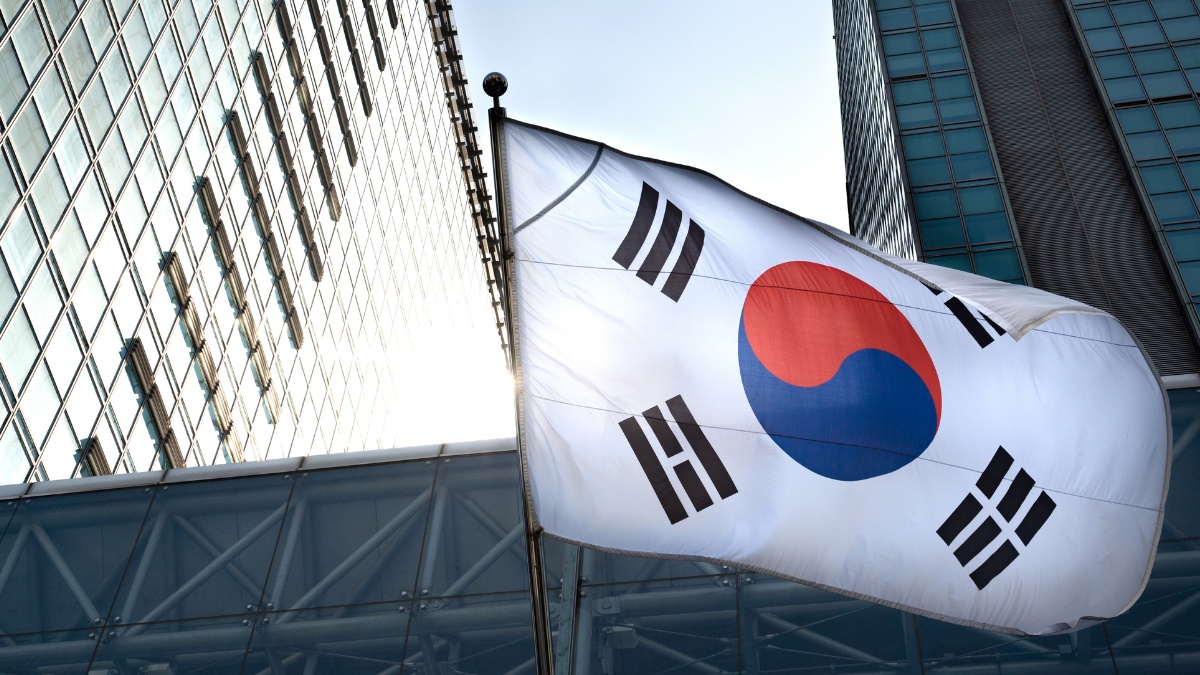

President Trump announced a sharp escalation in trade policy on Monday, saying the US will raise tariffs on certain South Korean goods from 15% to 25%. As reported by CNN, the increase takes effect immediately and targets multiple industries.
The president said the move was prompted by frustration that South Korea failed to follow through on a prior trade commitment, a development that comes amid broader political turbulence, including discussions around issues like a recent internal data leak involving Trump’s tax returns about a long-forgotten memo now back in the spotlight. He disclosed the decision on social media, framing it as a response to inaction by South Korea’s legislature.
In a post, Trump wrote that tariffs on autos, lumber, pharmaceuticals, and other reciprocal goods would rise to 25%, calling the earlier agreement “Historic” but unenforced. The announcement marked an abrupt shift from the existing trade framework between the two countries.
The announcement rattled markets and officials moved quickly
South Korea is a major supplier of goods to the US, shipping $132 billion worth of products in 2024. Those exports include cars, car parts, semiconductors, and consumer electronics, sectors now directly affected by the higher levies, which are expected to raise prices for American buyers, a dynamic that plays out alongside a variety of current political headlines, such as tensions over recent congressional incidents involving Maxwell Frost at Sundance and subsequent reactions captured in news reports.
Market reaction in Asia was swift. South Korea’s Kospi index dropped more than 1% before recovering in early Tuesday trading, while Hyundai shares fell more than 2.2% as of 9:47 AM local time.
South Korean officials said they had not received a formal notice detailing the tariff changes. The country’s trade minister, already in Canada, altered plans to travel to the US for talks with Commerce Secretary Howard Lutnick.
The tariff hike follows a trade agreement announced in July that was intended to prevent duties from climbing to 25% and included preferential treatment for imported vehicles. That agreement now appears to be in jeopardy following the president’s action.
Trump’s authority to impose country-specific tariffs could soon face legal scrutiny. The Supreme Court is reviewing a case that challenges whether the president can unilaterally set such tariffs, a ruling that could limit future actions.
The move against South Korea comes amid a broader pattern of aggressive trade threats, including a previously announced 100% tariff proposal targeting Canada and a floated 10% levy against countries opposing US ambitions related to Greenland, which was later withdrawn.






Published: Jan 26, 2026 08:15 pm