



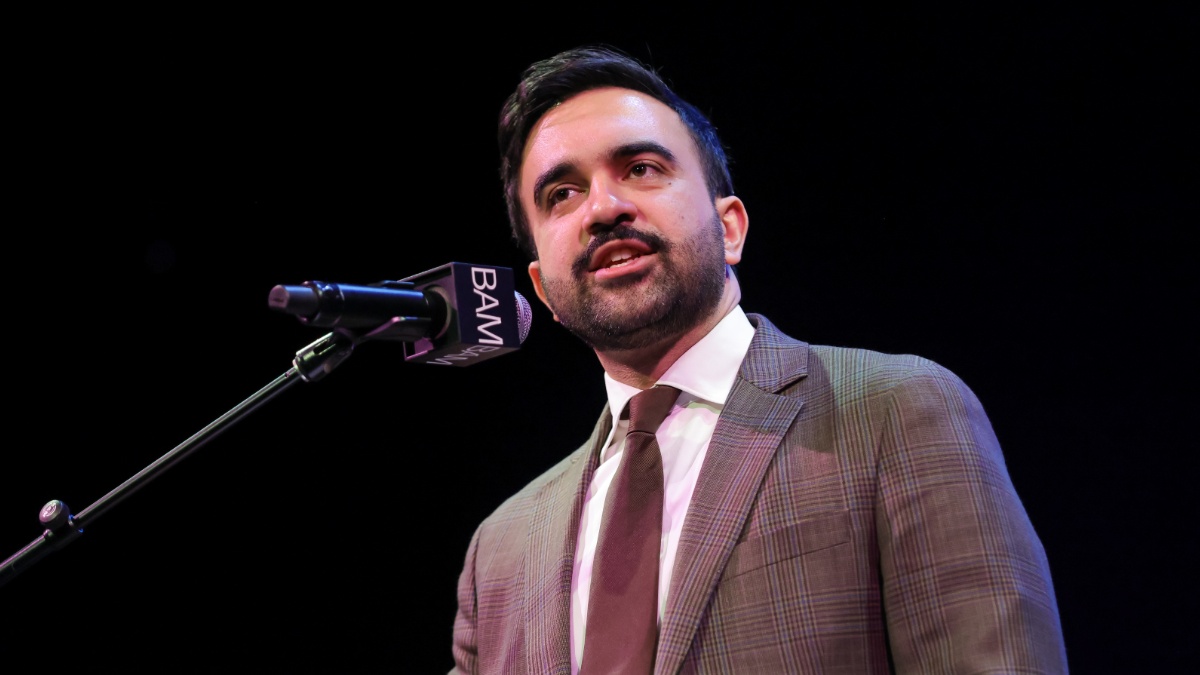

The death toll from a major winter storm that battered New York City with ice, snow, and extreme cold has climbed to at least 10, prompting Mayor Zohran Mamdani to acknowledge that the city’s standard emergency measures were insufficient. As reported by The New York Times, the fatalities occurred during a prolonged stretch of frigid temperatures that placed unsheltered residents at particular risk.
The storm represents the first major management challenge of Mamdani’s term, which began on January 1. While his public communication during the emergency was widely praised, the growing death toll has raised concerns about how effectively the city accounted for its most vulnerable populations during the cold snap.
On Sunday, when the number of deaths stood at five, Mamdani said he did not believe any of the victims were homeless. City officials later revised that assessment, confirming that social services workers had previously been in contact with at least some of the individuals, indicating past involvement with the Department of Homeless Services.
The rising death toll has shifted attention to gaps in existing safeguards
Advocates for the homeless have sharply criticized the city’s response, arguing that the deaths were preventable amid broader scrutiny of government crisis handling, similar to recent attention around ICE agents going door to door. Dave Giffen, executive director of the Coalition for the Homeless, said he could not recall another instance when so many people died from cold exposure in such a short period.
He cited a 2018 study showing the city averages roughly 15 cold-related deaths over an entire year and attributed the spike to decades of homelessness policies that have failed to keep people indoors. A concern that echoes other winter storm warnings about deadly cold mistakes.
State Senator Jessica Ramos pointed to the death of a 52-year-old immigrant from Ecuador who was found buried in snow at Junction Playground near a city health department building. The man was known to police and had hospital discharge papers in his pocket, and Ramos called for an audit of city procedures to ensure parks, playgrounds, and public benches are thoroughly checked during extreme weather events.
Mamdani addressed the situation on Tuesday, saying the city’s usual Code Blue protocols were not adequate for the severity of the cold. Code Blue relaxes shelter intake rules, deploys outreach teams, and redirects 311 calls to 911, and the city has remained under that status continuously since January 19, moving nearly 500 people indoors during that period.
The mayor announced additional emergency measures, including expanding outreach teams to 400 workers with paid overtime, doubling the number of warming buses, adding seven new warming shelters to the existing 11, and coordinating with hospitals to prevent overnight discharges of homeless patients. The announcements were made alongside the naming of three new commissioner-level appointments, even as the city continued to respond to the ongoing public health emergency.





Published: Jan 27, 2026 06:45 pm