



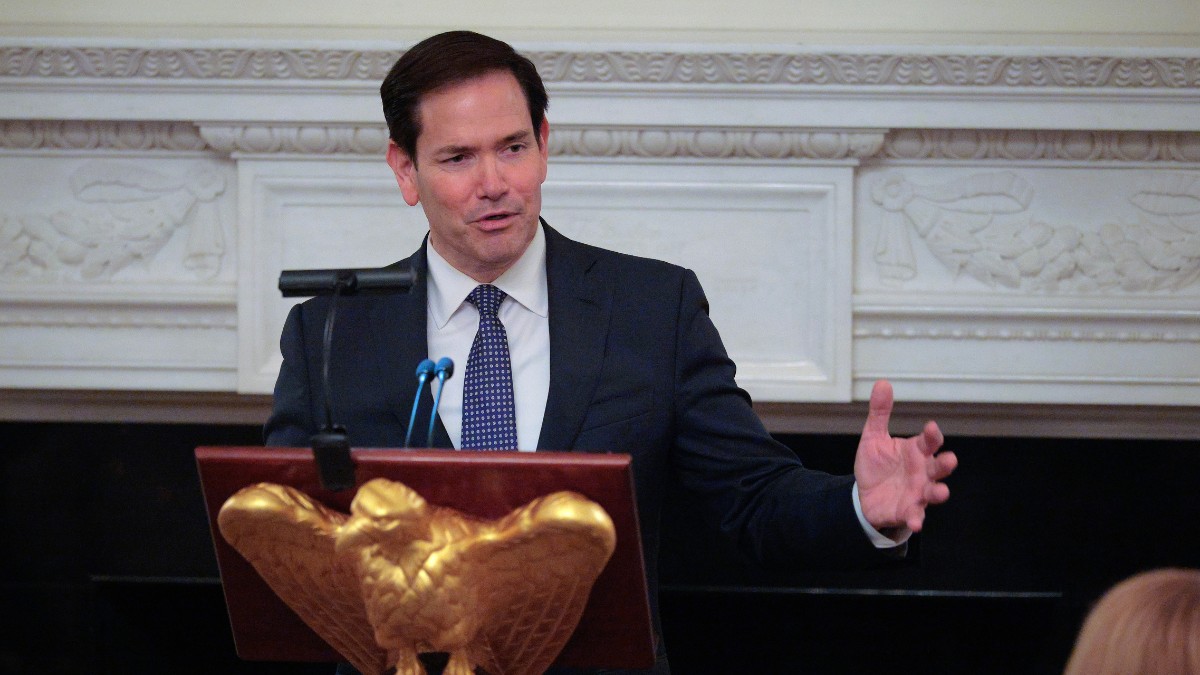

President Trump’s Secretary of State Marco Rubio has warned that the North Atlantic Treaty Organization must undergo a major overhaul, declaring that “without the US, there is no Nato.” The comments were made during testimony before a congressional committee this week, as detailed by The Telegraph, where Rubio argued that the capabilities and obligations of America’s Nato allies need to be reshaped.
Rubio stressed that the push for reform is not about abandoning the alliance’s founding purpose but about updating it for modern security challenges. He said Nato must be “reimagined,” accusing wealthy European nations of prioritizing expansive social programs over military investment while relying on the United States to guarantee their defense, a debate that mirrors broader political coverage of contentious policy fights like ongoing job impacts in the U.S.
According to Rubio, that imbalance has turned Nato’s security guarantee into an American “backstop” rather than a shared responsibility. He told the Senate foreign relations committee that even proposals for European troops in a postwar Ukraine would be “irrelevant without the US backstop,” noting that only a small number of forces, mainly from the UK and France, would be involved, with the rest depending on American support.
The Trump administration is openly challenging Europe’s defense dependence
Rubio’s remarks reflect a broader stance taken by the Trump administration toward European defense spending. President Trump has repeatedly criticized Nato allies for failing to meet higher defense commitments and has warned that the US would not defend countries that do not contribute enough to their own security.
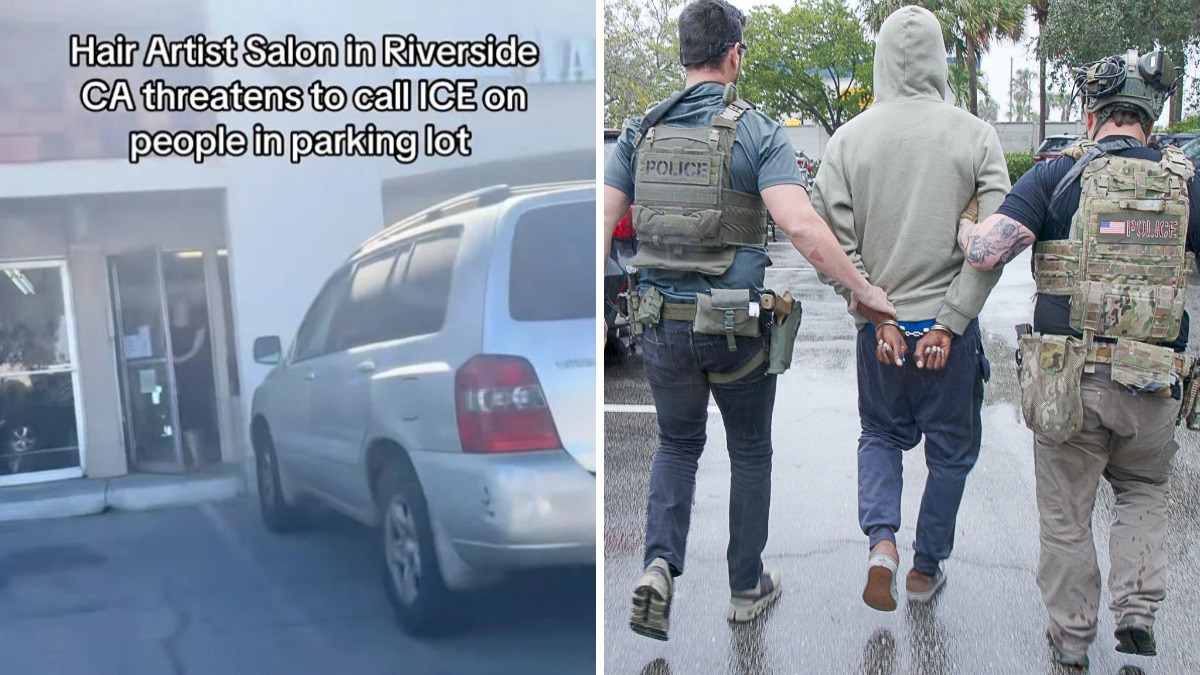
That pressure culminated in June, when European allies agreed to increase their defense spending through Nato by 5 percent of GDP annually. This effort resonates with recent national debates over federal policy and enforcement actions, including controversies around federal agents’ operations and public response.
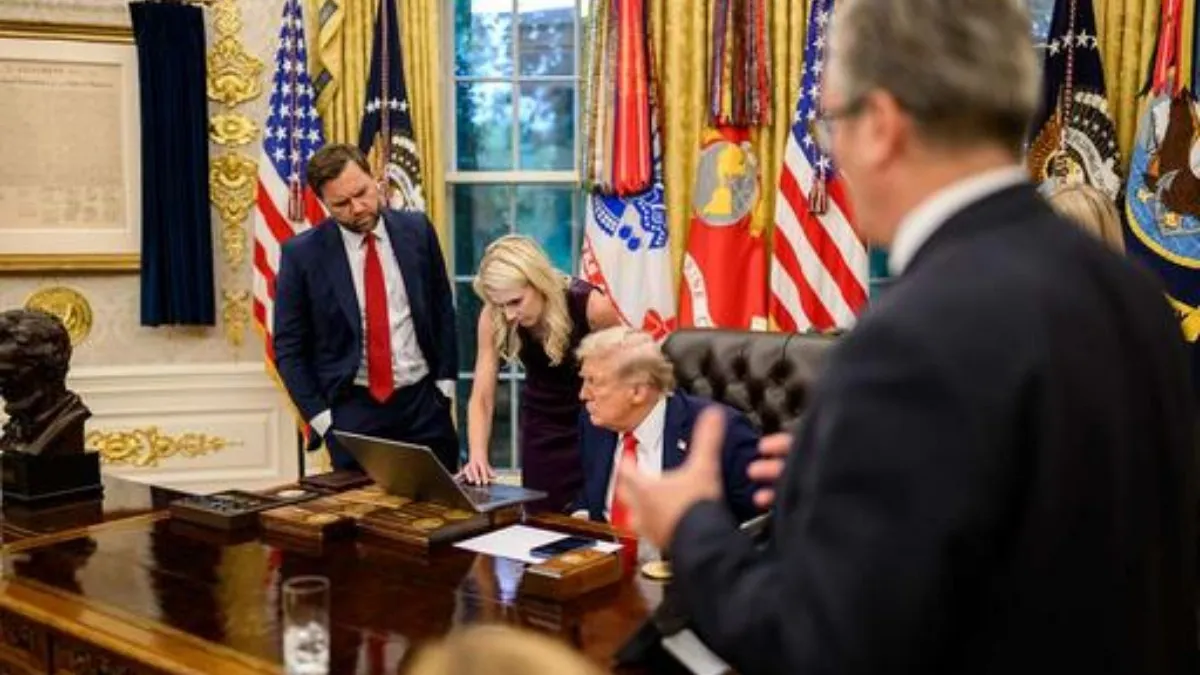
Vice President JD Vance has also expressed frustration with what he sees as Europe’s long-standing reliance on Washington. In private messages, he complained about “bailing Europe out,” and he has previously described the continent as a “permanent security vassal of the United States.” Speaking at the Munich Security Conference in February, Vance argued that Europe’s greatest threat was internal, citing issues such as mass migration, censorship of free speech, and a retreat from core values.
Some European leaders have acknowledged that the relationship is under strain. Kaja Kallas, the European Union’s foreign policy chief, has urged Europe to increase defense spending and make Nato “more European” to preserve its strength. She warned that the transatlantic relationship has been stretched and said no power has ever “outsourced its survival and survived.”
Tensions have also been fueled by recent remarks from President Trump about past military cooperation. Earlier this month, he sparked backlash by claiming allied troops in Afghanistan had “stayed a little back” from the front lines, though he later praised British forces as “great and brave” after interventions from Britain’s King and Prime Minister Sir Keir Starmer. Trump has also threatened European countries with tariffs over disputes such as Greenland, before backing down on January 21 following talks with Nato Secretary-General Mark Rutte.
Rubio has insisted that strengthening allies does not amount to abandoning Nato, but rather adapting it to current realities. He said that if European partners require less US support, the United States would gain greater flexibility to pursue its interests across the globe.






Published: Jan 28, 2026 07:15 pm