



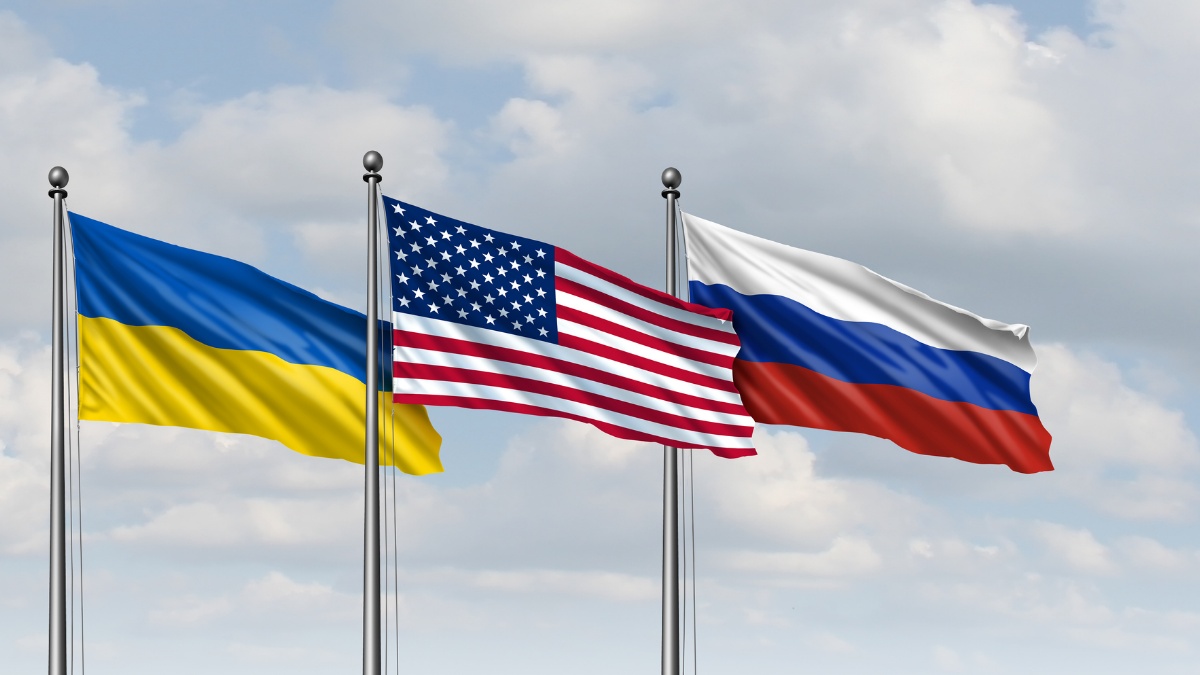

The brief pause Ukrainians believed they had from relentless Russian attacks on energy infrastructure quickly evaporated once the details became clear. As reported by The Washington Post, hopes for a wider halt emerged after a phone call involving President Donald Trump, but Moscow soon narrowed the scope.
Kremlin spokesman Dmitry Peskov later clarified that the understanding applied only to Kyiv and would expire this coming Sunday. Any sense of broader protection for Ukraine’s power grid faded almost immediately after that clarification.
The limited lull followed Trump’s direct request to Russian President Vladimir Putin to pause strikes on power facilities. Speaking during a Cabinet meeting on Thursday, Trump said he had “personally asked” Putin not to strike Kyiv and other cities for a week, adding that Putin agreed and calling the exchange “very nice.”
The pause was far narrower than many expected
Conditions on the ground remain severe as temperatures are forecast to drop further in the coming days, with lows potentially reaching minus-9 Fahrenheit (minus-23 Celsius). Trump referenced the weather during the meeting, describing it as “extraordinarily cold.” Local news coverage recently noted a Florida woman forced to fly into a massive snowstorm right before takeoff, which highlights how severe winter weather is gripping parts of the U.S. as well.
Despite the temporary reduction in risk around Kyiv, Russian strikes on energy infrastructure elsewhere in Ukraine have continued. Facilities belonging to DTEK, the country’s largest private energy company, were hit in the Odesa region, while Naftogaz, the state oil and gas firm, reported strikes on sites in western Ukraine this week. The attacks damaged power plants and electrical substations, worsening outages during one of the harshest winters in recent years. DTEK said the damage from an overnight strike was “colossal” and warned repairs would take significant time.
Ukrainian President Volodymyr Zelensky thanked Trump publicly for the initiative but emphasized that no formal ceasefire exists. Speaking with journalists, he described the proposal as “an opportunity rather than an agreement,” while offering that Ukraine would refrain from striking Russian energy assets if Moscow did the same. Some Republican leaders are now publicly questioning aspects of Trump’s policy decisions on ICE, underscoring ongoing political debate in Washington over how to respond to conflicts abroad.
Zelensky also underscored Ukraine’s limited defensive capacity, saying air defense units capable of intercepting ballistic missiles were depleted. Referring to U.S.-supplied Patriot systems, he said the country lacked missiles to counter future attacks and warned that widespread power outages would be unavoidable if strikes resumed.
Analysts cited by The Washington Post said the narrow pause did not represent a meaningful Russian concession. Similar short-term moratoriums have been used previously by Moscow, they noted, to project cooperation while resisting calls for a broader ceasefire.
At the diplomatic level, uncertainty continues. The Trump administration has not yet signed a proposed bilateral security guarantee with Ukraine, which Kyiv views as a critical part of any future settlement. Zelensky acknowledged that delaying the agreement suggests unresolved links between negotiations, as Ukraine continues to seek assurances following years of sustained attacks.





Published: Jan 30, 2026 08:00 pm