



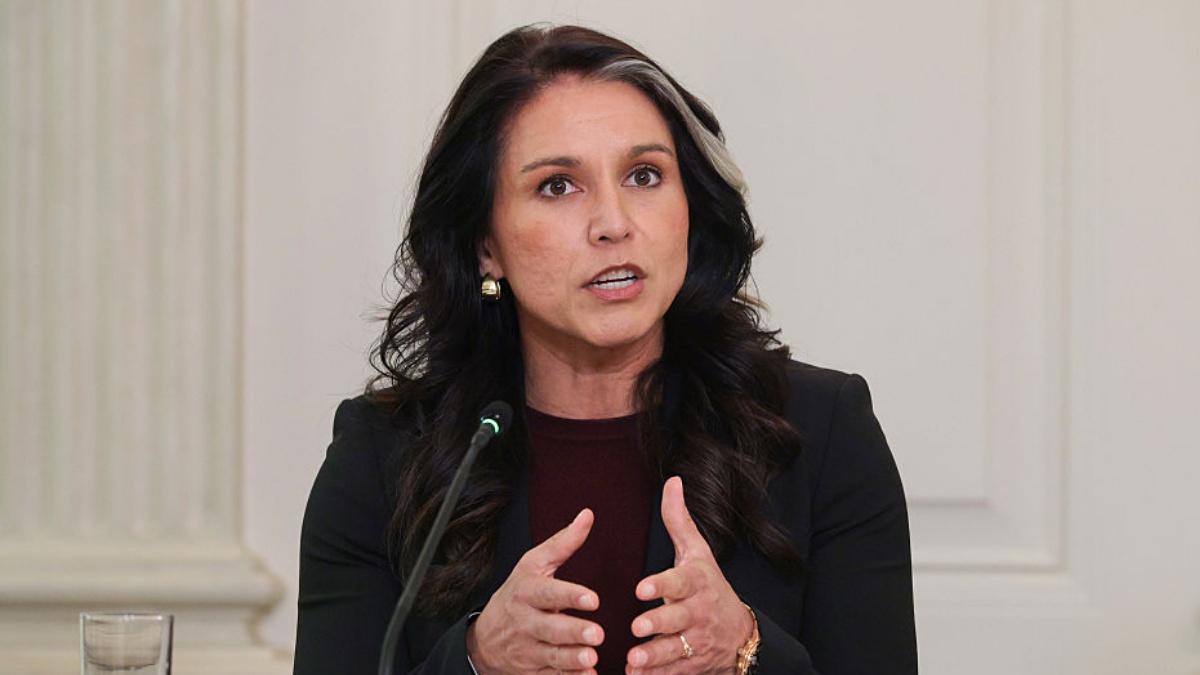

Director of National Intelligence Tulsi Gabbard is facing an unusually classified whistleblower complaint alleging wrongdoing, with the filing so sensitive that it has been locked in a safe, triggering an eight-month dispute over how its contents can be shared with Congress. The situation was reported by The Wall Street Journal.
Officials familiar with the matter told the outlet that the complaint carries a classification level warning that disclosure could cause grave damage to national security. Because of that designation, the document is being stored inside the intelligence community inspector general’s office under special handling rules. A representative for the inspector general confirmed that some complaints involve exceptionally sensitive material requiring secure storage, and said this filing falls into that category.
The complaint was submitted in May of last year. Under normal procedures, the inspector general has two weeks to assess credibility and another week to transmit a credible complaint to lawmakers. Experts and former intelligence officials said an eight-month delay in sharing a whistleblower complaint with Congress has no known precedent.
An unprecedented delay has raised questions on Capitol Hill
The whistleblower’s attorney, Andrew Bakaj, has pressed for clarity on why the complaint has not been transmitted. In a November letter to Gabbard, Bakaj accused her office of impeding the process by failing to provide security guidance on how the material could be securely shared with lawmakers. Similar subpoena tensions have played out elsewhere in Washington, including the Clinton contempt standoff.
Gabbard’s office rejected claims of obstruction, saying it is dealing with unique circumstances tied to the classification of the material. A spokeswoman for the Office of the Director of National Intelligence confirmed that the complaint involves Gabbard but described the allegations as baseless and politically motivated.
Questions have also emerged about how the complaint was handled internally. A senior intelligence official said Gabbard responded to written questions from the inspector general’s office, after which then-acting inspector general Tamara Johnson determined that allegations specifically involving Gabbard were not credible. The office was unable to reach a credibility determination on other portions of the complaint, including an allegation involving a separate federal agency. Bakaj said he was not informed that any credibility determinations had been made.
Despite being notified of the complaint’s existence last November, the House and Senate intelligence committees have not received the document itself. Congressional aides told The Wall Street Journal that Democratic staffers have recently sought additional information with little success, while Bakaj said he has not been permitted to view the complaint due to its classification.
The matter unfolds amid broader political tensions surrounding intelligence oversight. Gabbard previously dismissed the acting counsel in the inspector general’s office and installed a senior adviser reporting directly to her, moves Democrats argued were unlawful, as the party simultaneously faces electoral pressure highlighted in Democrats’ path to White House. The Senate has since confirmed Christopher Fox as the new inspector general for the intelligence community, a development that drew attention because Fox previously served as an aide to Gabbard before taking on the oversight role.









Published: Feb 2, 2026 08:00 pm