



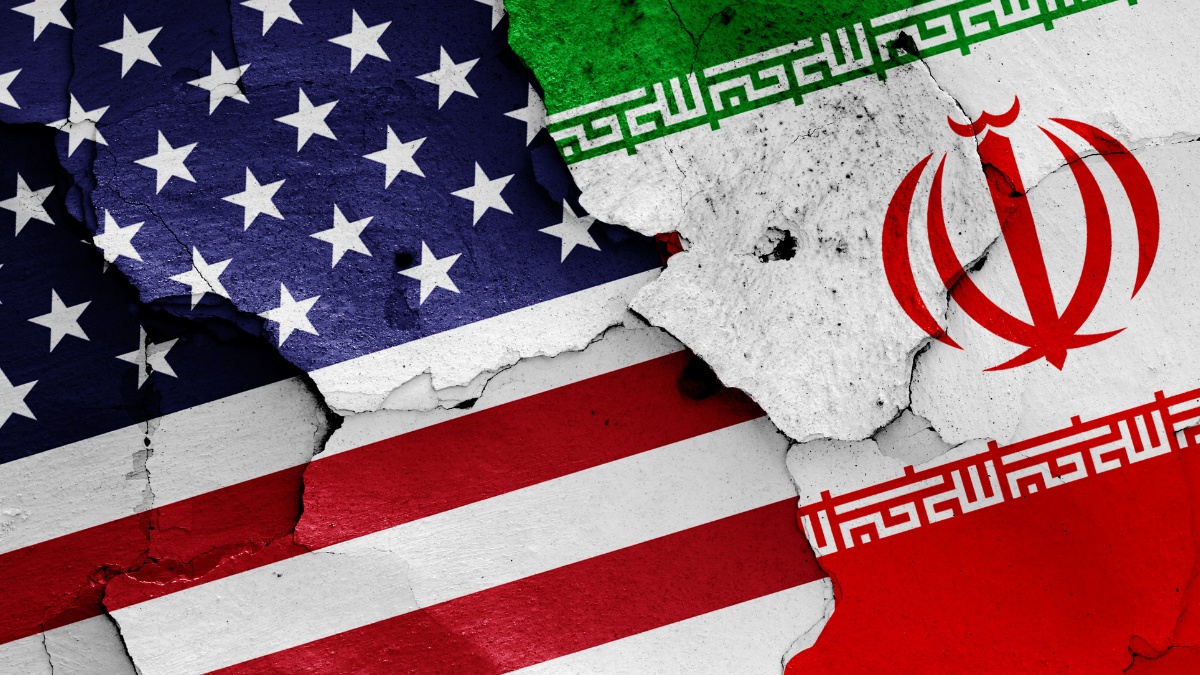

High-level nuclear talks between the United States and Iran that were widely viewed as canceled are now back on the calendar, reversing expectations just days after negotiations appeared to collapse. The meeting is scheduled in Muscat, Oman.
The talks had been written off after U.S. officials indicated Iran had rejected the administration’s terms for engagement, prompting fears across the region that diplomacy was giving way to confrontation, a dynamic similar to the chaotic response seen in recent discussions about Trump’s unusual claim about Canada’s future sport fate. As detailed by Axios, the decision to revive the meeting followed urgent appeals from U.S. allies in the Middle East.
According to the report, leaders from at least nine countries contacted the White House at senior levels, urging the administration to proceed with the talks rather than cancel them outright. Those efforts ultimately persuaded the administration to reverse course and keep the meeting on track, even as global news cycles have swirled with stories of Trump’s repeated mentions in newly released Epstein files.
Regional pressure reopened a closed diplomatic door
One U.S. official told Axios that Arab leaders explicitly asked the administration to keep the meeting and hear Iran out. Another official said the decision was made to be respectful to regional allies and to continue pursuing a diplomatic track, even as skepticism remained about Iran’s intentions.
The talks were nearly scrapped after Iran requested major changes to the format and location. The original plan called for meetings in Istanbul with two tracks: direct U.S.-Iran talks focused on nuclear issues and separate multilateral discussions addressing missiles, regional proxies, and human rights. Iran later insisted that the talks be moved to Oman and held strictly as bilateral nuclear discussions.
U.S. officials initially considered the change before rejecting it outright, leading to the apparent collapse of the talks earlier this week. A senior official had previously characterized the U.S. position as non-negotiable, saying Iran was told it was accept the framework or walk away, and Iran chose the latter.
Despite agreeing to meet, administration officials have emphasized that expectations remain low. White House envoy Steve Witkoff has been consulting closely with regional partners, including meetings in Israel with Prime Minister Benjamin Netanyahu and senior defense officials to review intelligence on Iran.
Witkoff and Jared Kushner are expected to meet Qatari leadership before traveling to Oman for the talks. U.S. officials told Axios the administration remains cautious and will reassess its approach depending on whether the discussions produce substantive progress.








Published: Feb 4, 2026 08:30 pm