



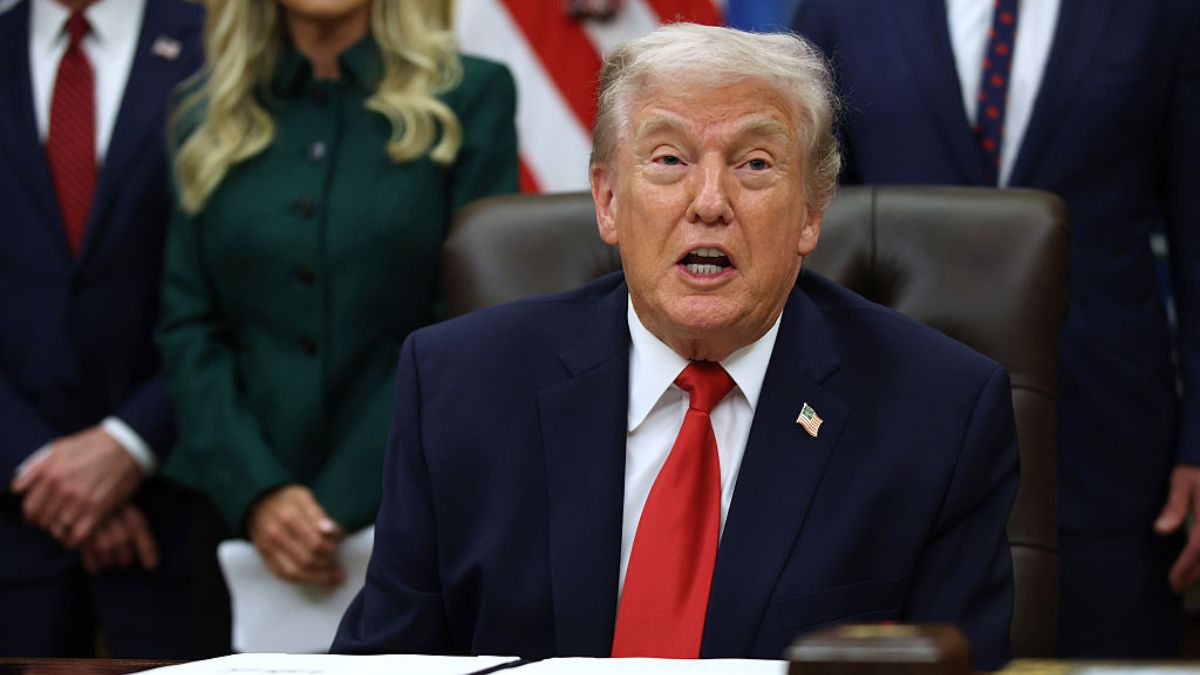

President Donald Trump has signaled a rare shift in tone on immigration enforcement, calling for a “softer touch” and ordering a partial withdrawal of federal agents from Minnesota. As reported by BBC News, the move follows a series of high-profile confrontations in the Minneapolis area that drew national attention and local backlash.
The administration confirmed it will pull roughly 700 federal immigration agents from Minneapolis, reducing the force to about 2,000 officers. Border czar Tom Homan said the aim is to return staffing levels to what they were before Operation Metro Surge began last December, a campaign that significantly expanded the federal presence in the region.
The drawdown comes after protests sparked by two fatal shootings involving federal agents, which left American citizens Alex Pretti and Renee Good dead, a development similar in broader political discourse to recent coverage of JD Vance’s remarks on America’s elite. Separately, a five-year-old child, Liam Ramos, was detained with his Ecuadorian migrant father during the operation before a judge ordered their release last weekend.
Local backlash forced an adjustment in approach
Trump addressed the incidents directly in remarks to NBC News, saying he was “not happy” with the fatal shootings. “I learned that maybe we could use a little bit of a softer touch,” he said, while emphasizing that enforcement efforts would remain focused on serious offenders. “We are totally focused on criminals, really bad criminals,” the president said.
When asked whether the shootings were justified, Trump said, “No, it should have not happened. It was very sad to me. It was a very sad incident. Two incidents.” He added that he had seen tapes suggesting the victims were “not an angel,” but reiterated his regret over the outcomes, even as national news cycles also focus on other high-profile controversies like Trump’s exchange with a reporter over Epstein.
Border czar Homan defended Operation Metro Surge overall, pointing to arrest figures in the Minneapolis area that included 14 people charged with homicide, 139 with assault, 87 sex offenders, and 28 gang members. He acknowledged problems during the operation but said it had become more streamlined with a unified chain of command.
According to Homan, the decision to scale back the federal presence was made possible by what he described as unprecedented cooperation from Minnesota state and local officials. He said that coordination had improved significantly over the course of the operation.
The administration also said it is prioritizing the rollout of body-worn cameras for all officers operating in Minneapolis, with plans to expand the equipment nationwide. Officials described the move as part of broader efforts to improve oversight during enforcement actions.
Minnesota Governor Tim Walz welcomed the reduction in federal agents but called for additional steps. In a social media post, Walz said the announcement was “a step in the right direction,” while urging a faster drawdown, state-led investigations into the killings of Pretti and Good, and an end to what he described as a campaign of retribution.
Separately, the strain on federal agencies surfaced during a court hearing in which Justice Department lawyer Julie Le complained about her workload and working conditions. Le was later removed from her role after telling a judge that her job “sucks” and expressing exhaustion during the proceedings.
Despite reports that Trump was privately uneasy with how aggressively immigration policy had been pushed by some advisers, the White House publicly reaffirmed its support for senior aide Stephen Miller. Press secretary Karoline Leavitt dismissed any suggestion of internal conflict, describing Miller as intelligent, hardworking, and loyal.





Published: Feb 5, 2026 05:15 am