



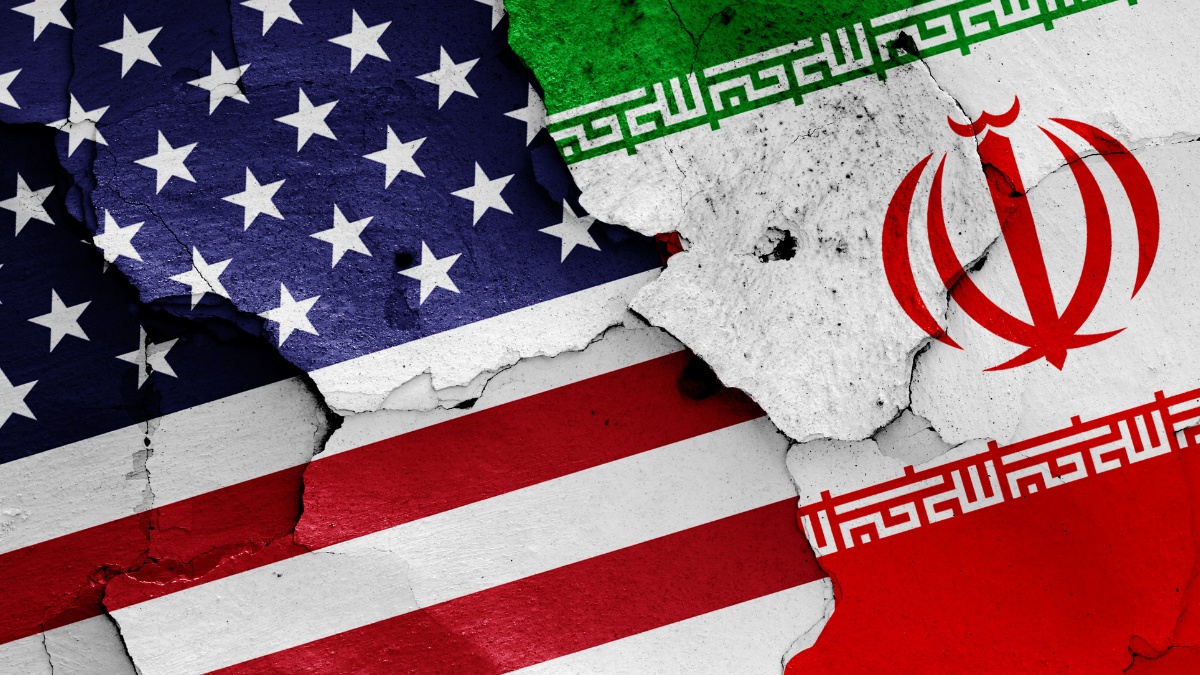

The United States has issued new guidance for US-flagged commercial vessels operating near Iran, urging ship operators to keep as much distance as possible from Iranian territorial waters amid rising regional tensions. The warning was detailed by Al Jazeera and comes despite the recent resumption of indirect talks between Washington and Tehran.
The advisory was released Monday by the US Maritime Administration and outlines specific steps crews should follow if they encounter Iranian forces while transiting the Strait of Hormuz. It explicitly instructs crews not to forcibly resist if Iranian personnel board a US commercial vessel, while stressing that non-resistance does not constitute consent or agreement under international law, a situation that unfolds amid other tumultuous domestic politics, including Hakeem Jeffries vows Democrats’ position on the 2026 midterms that have roiled Washington.
US officials also provided navigational guidance, recommending that eastbound vessels through the Strait remain closer to Oman’s territorial sea where feasible without compromising safety. The guidance reflects heightened concern over the security environment in one of the world’s most critical shipping corridors.
The warning underscores how little tensions have eased
The advisory was issued only days after the United States and Iran concluded another round of indirect talks in Oman on Friday. Those discussions followed weeks of escalating rhetoric that had pushed tensions between the two countries to their highest levels in months, raising concerns about potential military confrontation, echoing how the White House quietly pulled hundreds of agents from Minneapolis.
The Strait of Hormuz is a vital maritime chokepoint, described by US authorities as the world’s most important oil transit route because it links Gulf energy producers to global markets via the Indian Ocean. Iranian officials have previously threatened to close the strait during periods of heightened conflict, including comments from an Iranian lawmaker last June following Israeli strikes on Iran.
Recent military activity has added to concerns in the region. The US military has reported shooting down an Iranian drone that flew close to a US aircraft carrier, while Iran’s Islamic Revolutionary Guard Corps conducted naval exercises in the Strait in late January. US officials warned Iranian forces at the time against what they described as unsafe and unprofessional behavior.
Diplomatic efforts have continued alongside these developments, but major disagreements remain. Iranian officials have said current negotiations are limited to nuclear issues, while the Trump administration has sought broader talks that include Iran’s missile program and its support for regional groups such as Hezbollah and Hamas.
The nuclear talks remain stalled primarily over uranium enrichment, with Iran insisting enrichment is a sovereign right under international law and President Trump pressing for a zero-enrichment framework. Vice President JD Vance recently said President Trump would personally determine any firm red lines in the negotiations, signaling that key US positions may remain undisclosed as talks continue.








Published: Feb 9, 2026 04:30 pm