



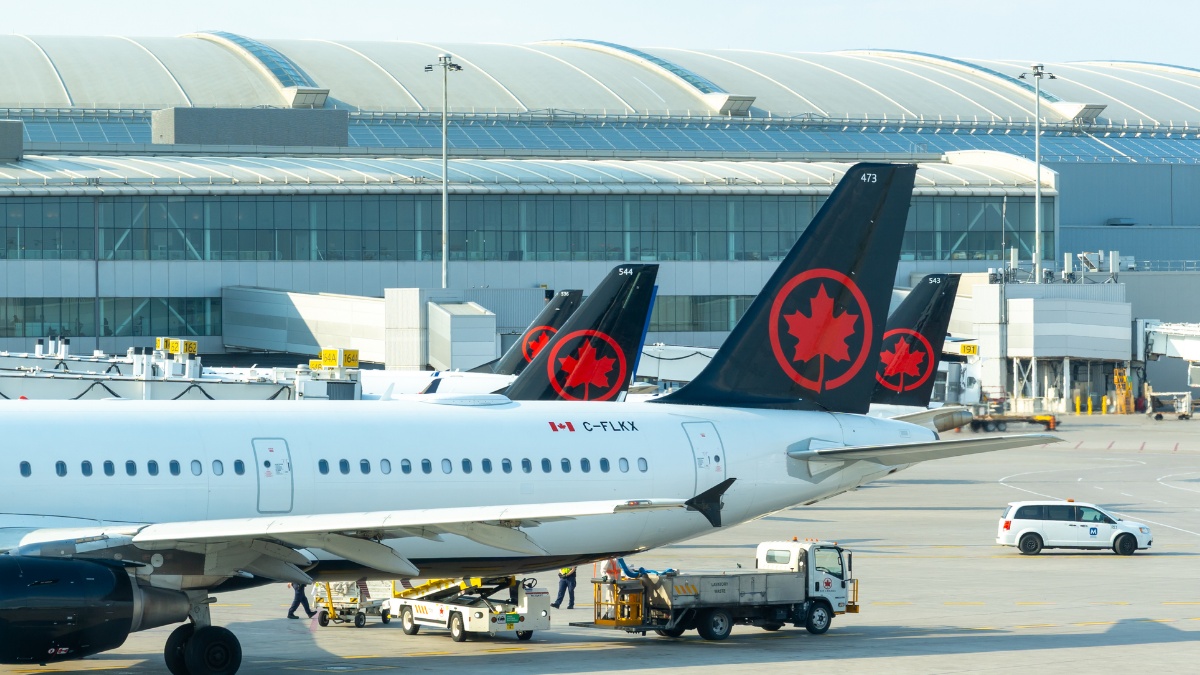

Air Canada has abruptly canceled all flights to Cuba after the country ran critically low on aviation fuel, a move that has left thousands of travelers uncertain about how they will return home. As reported by The Guardian, the airline confirmed it is now working to repatriate roughly 3,000 customers currently stranded on the island.
The decision comes amid a severe fuel shortage that has disrupted aviation operations across Cuba. The report notes that the crisis is tied to intensified US oil sanctions, which have sharply limited the country’s ability to import fuel and have begun to directly impact tourism, one of Cuba’s primary sources of foreign currency.
The scale of the disruption extends well beyond a single carrier. Airlines from Russia, China, Turkey, France, and Spain have all been affected, with operators receiving a Notice to Aviation late Sunday warning that fuel supplies would remain restricted until at least March 11.
Airlines scramble as fuel shortages deepen
While Air Canada suspended its operations entirely, other airlines have attempted to adapt. European carriers such as Air Europa have turned to technical stops, with flights from Madrid refueling in the Dominican Republic, a strategy used during a similar shortage last year. Canadian carrier Air Transat also said it plans to continue flying to Cuba by relying on contingency measures, including refueling stops when required, similar to how lawmakers recently addressed U.S. policy gaps.
Political reaction to the crisis has intensified. Mexico’s president, Claudia Sheinbaum, criticized US policy as “very unjust,” saying it amounts to strangling the nation. Mexico sent 800 tons of humanitarian aid to Cuba on Sunday, and Sheinbaum said her government is pursuing diplomatic efforts to continue supplying oil to the island, a topic that’s been discussed alongside political stories like reported Democratic Socialists’ foreign propaganda concerns.
Conditions on the ground differ sharply for tourists and residents. Resort areas have largely maintained services for visitors, with hotels operating generators and ensuring transportation for guests. A tour guide quoted in the report said electricity and taxis remain available for tourists staying at major resorts.
Outside the resorts, the situation is far more difficult. Gas stations across the country closed on Monday, traffic thinned dramatically, and residents with vehicles were instructed to use an app-based queuing system to access fuel. Many Cubans reported difficulties using the system, while those without cars struggled to find transportation at all.
The fuel shortage has dealt a major blow to employment tied to tourism, with many local workers suddenly losing their income. Travelers interviewed by The Guardian expressed concern for Cuban residents, noting that while tourists are being accommodated, the broader economic impact on locals has been immediate and devastating.







Published: Feb 10, 2026 05:15 am