



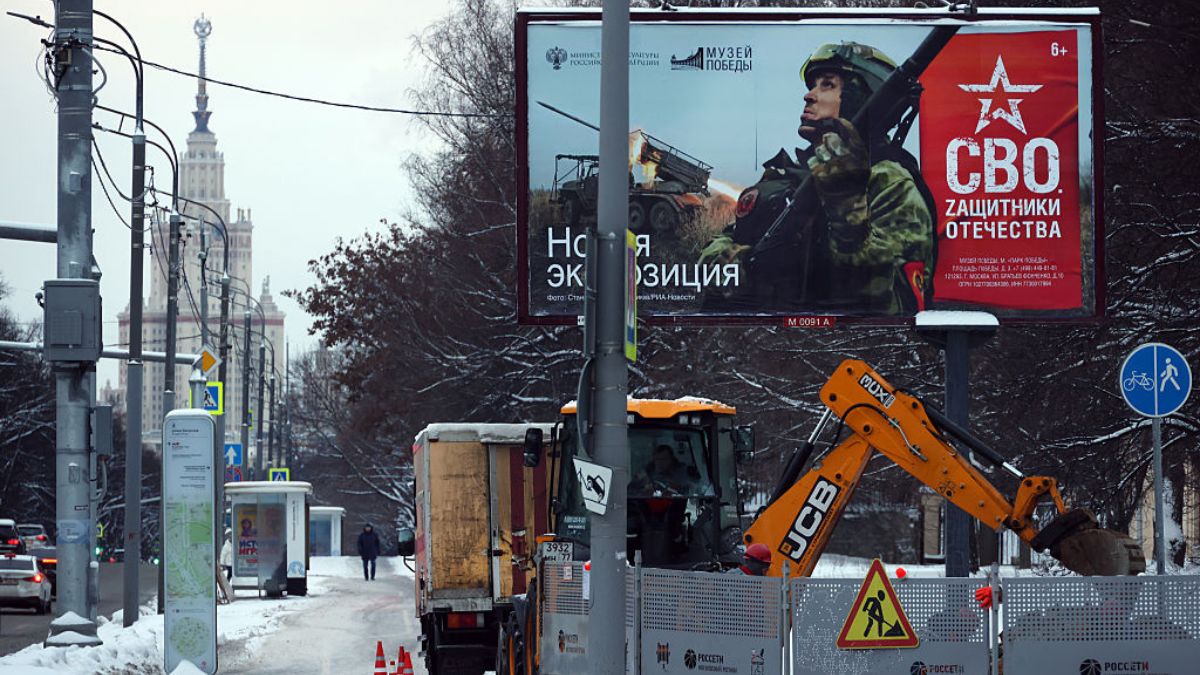

A major war game tested Germany’s response to a Russian invasion of a NATO ally, and the results were alarming. The simulation showed that Europe is not ready to defend itself without the United States. The German Wargaming Center ran this exercise with former top military and diplomatic officials to see what would happen if Russia attacked Lithuania.
The shocking result was that Russia took over important NATO territory within 48 hours. This happened mainly because the U.S. refused to activate the mutual defense agreement and tried to stay out of the conflict. According to Politico, the exercise revealed a serious problem in how NATO would respond to an attack on one of its smaller members.
Many security experts think this scenario could actually happen, especially since President Trump has said Europe needs to pay more for its own defense. If Russia wants to become the main power in Europe again, testing NATO’s promise to protect a smaller country seems likely.
Europe’s defense strategy falls apart without American support
The war game happened over three days in Hamburg. Retired military leaders, security experts, and diplomats played the roles of decision-makers in Germany, Russia, NATO, and the U.S. The German team made a big mistake right away by only focusing on civil defense preparations instead of figuring out what Russia really wanted to do.
The Russian team had a clear goal: break apart NATO’s unity and push back Europe’s security setup to how it was in 1997. To do this without causing a huge NATO response, Russia picked a specific target called the Suwałki Gap. This 65-kilometer strip of land sits between Poland and Lithuania, next to the Russian area of Kaliningrad and Belarus. This exercise highlights concerns about how the alliance functions without American leadership.
If Russia cut off this gap, Estonia, Latvia, and Lithuania would be separated from the rest of NATO. Russia’s military chief in the simulation dismissed the German troops stationed in Lithuania, saying they were not at full strength and did not have enough air defense. Moscow did not think those German soldiers could stop them.
The invasion started on Day Two with a quick attack. Russian forces crossed the border from Belarus and Kaliningrad and met at the city of Marijampolė. In less than 24 hours, Russia controlled the land connection and set up a dangerous zone to keep anyone from pushing them back. Russia had invaded a NATO country.
When the German government told the foreign minister to contact the U.S. right away, Moscow was already trying to separate America and Europe. The U.S. Secretary of State agreed to listen to Russia, acting as a mediator instead of a committed NATO partner. The Secretary of State was willing to talk, but did not draw any red lines, demand an immediate pullout, or threaten consequences.
Washington’s main goal was to avoid getting pulled into another European war. The Secretary of State said openly that he did not want to do anything that might hurt the chance of building a better relationship with Russia, including economically. Washington refused to discuss using Article 5, which left the entire alliance unable to act. Some European leaders have responded by discussing why a unified European military remains difficult.





Published: Feb 14, 2026 01:45 pm