



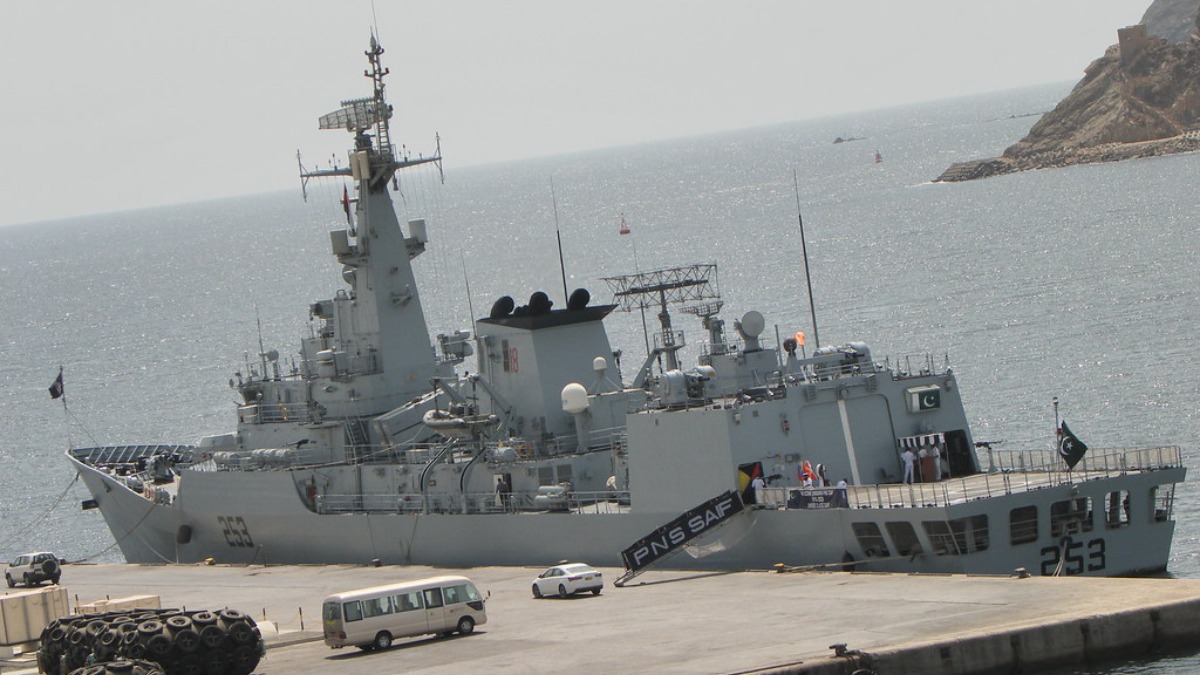

Pakistan has announced that its navy will begin escorting commercial vessels through the Middle East as tensions tied to the Iran conflict threaten global energy routes. The move is aimed at protecting the country’s critical oil shipments and ensuring essential fuel supplies continue reaching the country.
As reported by The New York Times, the growing conflict in the region is disrupting shipping routes and raising concerns about the stability of global oil markets. Pakistan has largely tried to remain neutral in the broader regional tensions, but its economy depends heavily on imported energy.
The country imports much of its natural gas from Qatar and a significant share of its crude oil from Saudi Arabia and the United Arab Emirates. Nearly all of those supplies arrive by sea, making maritime routes critical to Pakistan’s energy security.
Pakistan deploys navy to protect oil shipments
Pakistan’s navy confirmed Monday that warships have begun escorting the nation’s commercial vessels. Officials said at least two ships operated by Pakistan’s national shipping company are already traveling with naval protection.
Images shared on social media showed a Pakistani warship sailing alongside a crude oil tanker. Military officials did not specify the exact shipping routes or identify the threats involved but described them as multidimensional maritime risks.
The situation is especially sensitive around the Strait of Hormuz, where roughly one fifth of the world’s oil supply passes each day. Concerns about potential attacks or disruptions in the waterway have made some shipping companies cautious about continuing energy deliveries.
Other world leaders have also raised the possibility of naval escorts for commercial vessels as tensions continue rising. The discussion comes as pressure builds around the Pentagon’s foreign agenda during the broader Iran conflict.
President Donald Trump has warned that Iran could face intensified strikes if it attempts to disrupt oil shipments through the Strait of Hormuz. French President Emmanuel Macron has also discussed the possibility of coordinated naval protection for energy shipments.
India is reportedly considering a similar move after shipowners requested protection for vessels in the region. However, Pakistan appears to be the first country to formally deploy naval escorts for its commercial energy shipments.
The decision comes as Pakistan faces an energy supply crunch. Officials say the country currently has less than two weeks of crude oil reserves and liquefied natural gas supplies expected to last only until the end of March.
Prime Minister Shehbaz Sharif has announced emergency measures aimed at conserving fuel and stabilizing the economy. Those steps include temporarily reducing the workweek to four days and allowing some workers to work remotely.
Pakistan has tried to carefully balance its diplomatic position in the Middle East conflict while maintaining security ties with Saudi Arabia. The regional fallout has also reached issues like the Iranian women’s soccer team.
Rising fuel prices are already affecting daily life. One delivery driver in Rawalpindi told reporters he had the equivalent of $1.80 to put fuel in his pickup truck while supporting his family.








Published: Mar 11, 2026 07:45 am