




New U.S. intelligence reports indicate that Iran’s leadership remains largely intact and isn’t at risk of collapsing anytime soon, even after nearly two weeks of intense U.S. and Israeli bombardment, as reported by Reuters. These findings really throw a wrench into any hopes for a swift regime change, underscoring that the current government “retains control of the Iranian public.”
A multitude of intelligence reports are providing consistent analysis, all pointing to the same conclusion: the Iranian regime isn’t in danger of collapse. This latest report, completed just recently, highlights the unexpected cohesion of Iran’s clerical leadership. This is pretty remarkable, especially considering the killing of Supreme Leader Ayatollah Ali Khamenei on February 28, which was the very first day of the U.S. and Israeli strikes.
President Trump has even suggested he’ll end the biggest U.S. military operation since 2003 “soon” due to mounting political pressure over soaring oil costs. However, finding an acceptable conclusion to the war could be tough if Iran’s hardline leaders stay firmly entrenched.
Even Israeli officials, in their private discussions, have admitted there’s no guarantee the conflict will lead to the clerical government’s downfall
Since the war began, the U.S. and Israel have hit a wide array of Iranian targets, including air defenses, nuclear sites, and even members of the senior leadership. The Trump administration has offered various reasons for the conflict, initially urging Iranians to “take over your government.”
However, top aides have since walked that back, denying that the objective was to actually oust Iran’s leadership. Beyond Khamenei, the strikes have killed dozens of senior officials and some of the highest-ranking commanders in the Islamic Revolutionary Guard Corps (IRGC), an elite paramilitary force that controls significant parts of the economy.
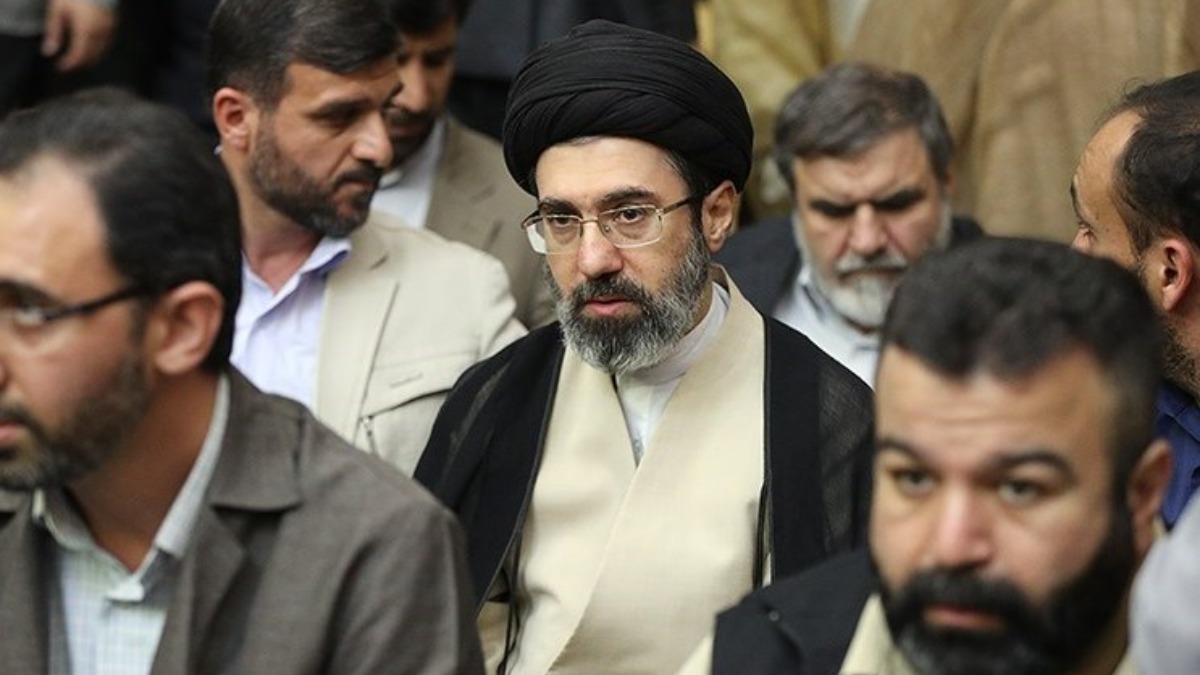
Despite these losses, U.S. intelligence reports confirm that the IRGC and the interim leaders who took power after Khamenei’s death are still firmly in control of the country. The Assembly of Experts, a group of senior Shiite clerics, even declared Khamenei’s son, Mojtaba, as the new supreme leader earlier this week. We’ve also heard that Israel has no intention of letting any remnants of the former government survive.
It’s truly unclear how the current U.S.-Israeli military campaign could actually topple the government. Experts suggest it would probably require a ground offensive, something that would allow people inside Iran to safely protest in the streets without fear. While the Trump administration hasn’t ruled out sending U.S. troops into Iran, that’s a whole other level of commitment.
There was some talk last week about Iranian Kurdish militias based in neighboring Iraq consulting with the U.S. on whether and how to attack Iran’s security forces in the western part of the country. The idea was that such an incursion could pressure Iranian security services there, potentially enabling Iranians to rise up against the government.
However, recent U.S. intelligence reports have unfortunately cast a lot of doubt on the ability of these Iranian Kurdish groups to sustain a fight against Iranian security services. These assessments suggest the groups just don’t have the firepower or the numbers needed for such a conflict.
The Iranian Kurdish groups have asked senior officials in Washington and U.S. lawmakers for weapons and armored vehicles. But President Trump made it clear that he has ruled out having these Iranian Kurdish groups go into Iran.







Published: Mar 12, 2026 02:30 pm