



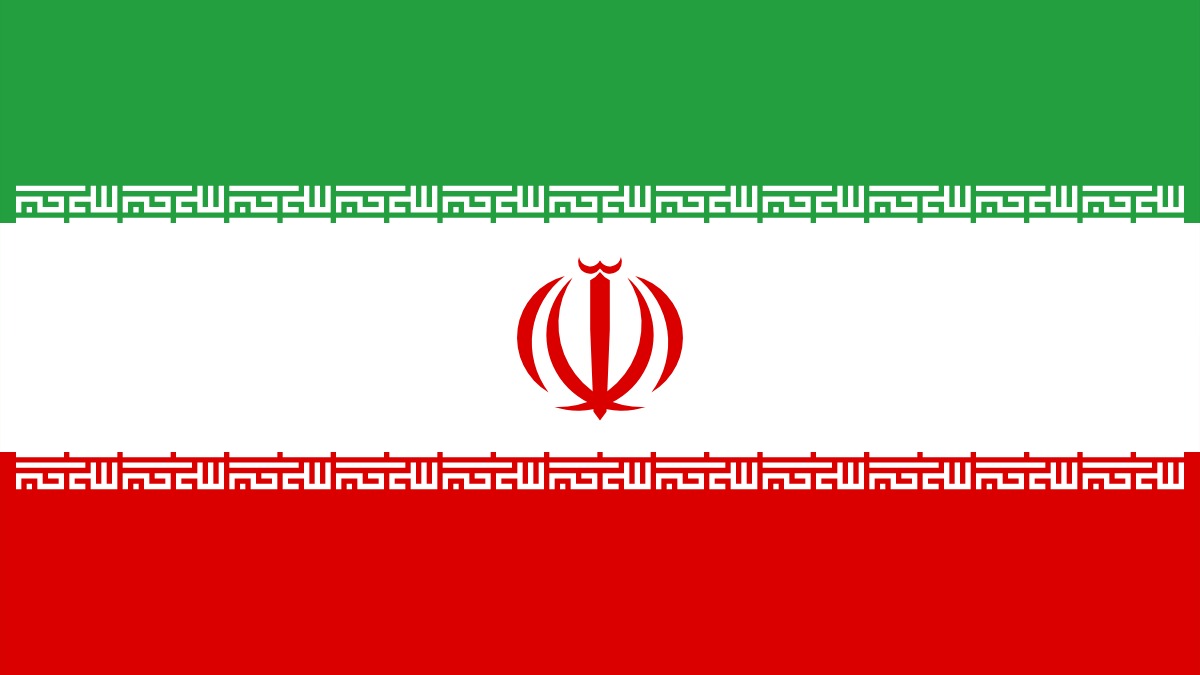

New tracking data shows that more ships are now moving through the Strait of Hormuz, suggesting a possible shift in Iran’s position on the waterway. Maritime intelligence company Windward reported that the number of commercial ships passing through the strait has nearly doubled in recent days.
According to Al Jazeera, Windward detected eight non-Iranian vessels in the strait, using their automatic identification systems. Another ship tracking service, MarineTraffic, recorded nine transits on both Monday and Sunday, March 16, compared to just five over the two days before that.
Analyst Michelle Wiese Bockmann from Windward noted that a growing number of ships are rerouting through Iran’s territorial waters, suggesting that Tehran is giving “permission-based transits to friendly countries.” Vessels from countries like China, India, and Pakistan are likely taking this route with Iran’s approval, while Western-affiliated ships are not.
Iran appears to be selectively controlling the strait rather than closing it entirely
This increase follows a period of severe disruption. The Strait of Hormuz normally handles about one-fifth of the world’s oil supplies, but traffic had dropped by more than 95 percent since the start of the United States and Israel’s war on Iran. Daily transits by non-Iranian ships had fallen to single digits due to Iranian threats.
The near-halt in traffic pushed oil prices up by over 40 percent, crossing $100 per barrel compared to before the war began. Most of the ships still passing through were flying Chinese, Indian, and Pakistani flags. Despite these developments, the White House has claimed that Iran’s missile capacity has been functionally destroyed, though Iran continues firing projectiles at Gulf countries daily.
Iran has been sending mixed signals about the strait. Iranian Foreign Affairs Minister Abbas Araghchi said on Monday, March 17, that the strait was “open, but closed to our enemies.” This came after a spokesperson for the Islamic Revolutionary Guard Corps had earlier warned that any ship attempting passage would be set ablaze.
President Trump said on Tuesday, March 18, that Washington does not need other countries’ help to unblock shipping in the strait. He also expressed frustration with NATO partners for not supporting his proposal to deploy an international coalition of warships to secure the waterway.
Trump said, “Despite the fact that we helped them so much, we have thousands of soldiers in different countries all over the world, they don’t want to help us, which is amazing.” Trump has also faced scrutiny on other fronts, including calling for treason charges against war reporters covering the Iran conflict.
The US military announced that it had dropped bunker buster bombs on “hardened” Iranian missile sites near the strait. US Central Command confirmed on social media that “The Iranian anti-ship cruise missiles in these sites posed a risk to international shipping in the strait.”









Published: Mar 18, 2026 03:00 pm