



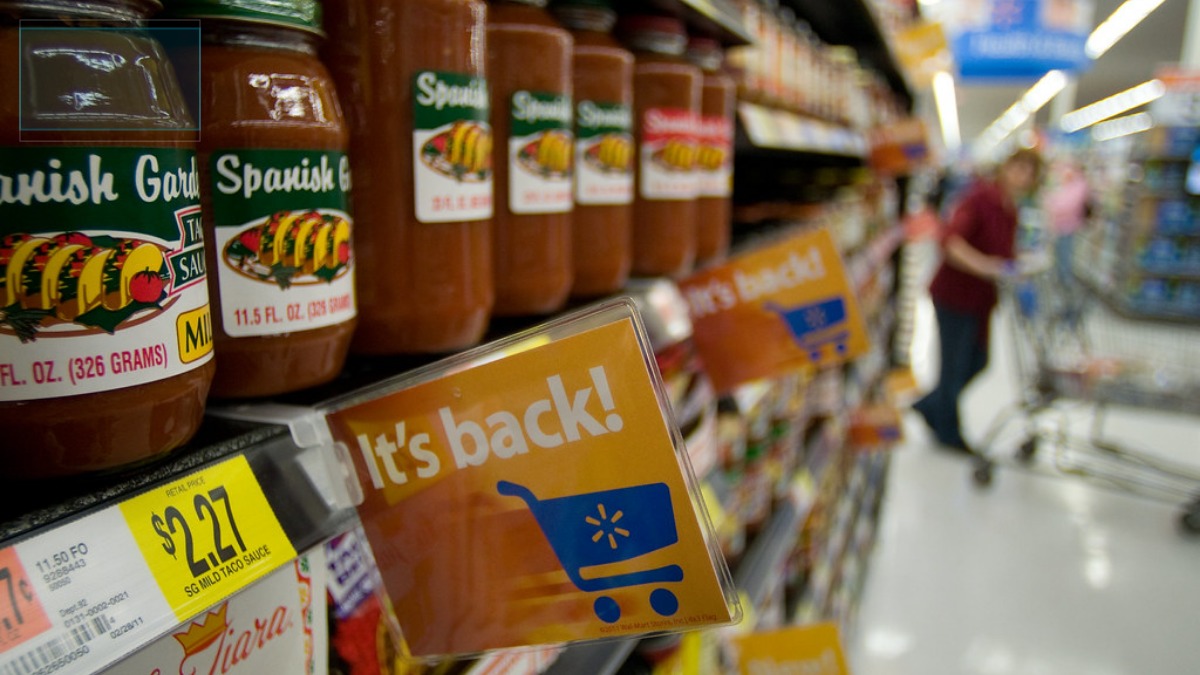

Walmart just announced a major tech upgrade that’s going to hit every single one of its U.S. stores by the end of 2026: digital shelf labels, or DSLs, as reported by Inc. These are small digital displays that will replace all those paper labels you’re used to seeing on the shelves. The really big deal here is that these new labels can be updated remotely, in real time, across thousands of stores at once.
The company says it’s making this change to save time and money. Think about how much work goes into changing paper price tags. You’ve got tens of thousands of items in a store, and prices are always shifting. That’s a huge chunk of employee hours that could definitely be better spent on helping customers or stocking shelves. From that perspective, it’s a pretty smart move for efficiency.
But here’s where things get a little less straightforward for shoppers. The real power of DSLs isn’t just making price updates easier; it’s making them instant and completely frictionless. And sometimes, friction is actually a good thing for us consumers.
DSLs can be used to squeeze a few more pennies out of customers
Historically, the sheer effort involved in printing new labels and having employees physically walk around the store to swap them out meant retailers had to be really deliberate about price changes. There was a genuine cost tied to altering prices, so companies couldn’t just change them on a whim. That felt like a bit of a safeguard for our wallets.
DSLs, however, completely wipe away that friction. Suddenly, a price could change at 9:00 AM, shift again at 2:00 PM, and then again before the dinner rush. There’s no extra cost for changing prices because it all happens with a quick button press that updates both the digital label and the checkout system simultaneously. You won’t see an employee in the cereal aisle with a stack of new tags, giving you a heads-up that something’s brewing.
Walmart hasn’t explicitly said it plans to do this, but the capability is absolutely there. Once technology makes something possible, it often feels like it’s only a matter of time before someone decides to put it into practice.
This kind of real-time price adjustment, based on factors like time of day, demand, or inventory levels, has a name: dynamic pricing. You’ve probably already encountered it when you book a flight, reserve a hotel room, or even fill up your car with gas. The price you see is the price for right now, and “right now” is always changing.
Airlines have been doing this for ages, and we’ve generally accepted it because fixed prices on something like a plane seat, which is perishable inventory, never really made much sense. But a gallon of milk isn’t a plane seat.
Grocery shopping has always operated under a different kind of social contract. We assume the price on the shelf is the price, that it’s probably similar to what it was yesterday, and that everyone in the store is paying the same amount. This predictability is a huge part of what makes grocery shopping feel normal. You build a mental model of what things cost, you budget accordingly, and you expect the store not to move the goalposts while you’re in the middle of your shopping trip.
Walmart wouldn’t be the first to explore this, either. Wendy’s learned a very expensive lesson earlier this year when it announced it was looking into dynamic pricing that would adjust menu prices based on demand. The backlash was immediate, intense, and totally predictable. Wendy’s ended up walking back those plans within days. That whole situation really clarified what dynamic pricing means to consumers: paying more for a burger at lunchtime than you would at 3:00 PM.









Published: Mar 24, 2026 05:45 pm