



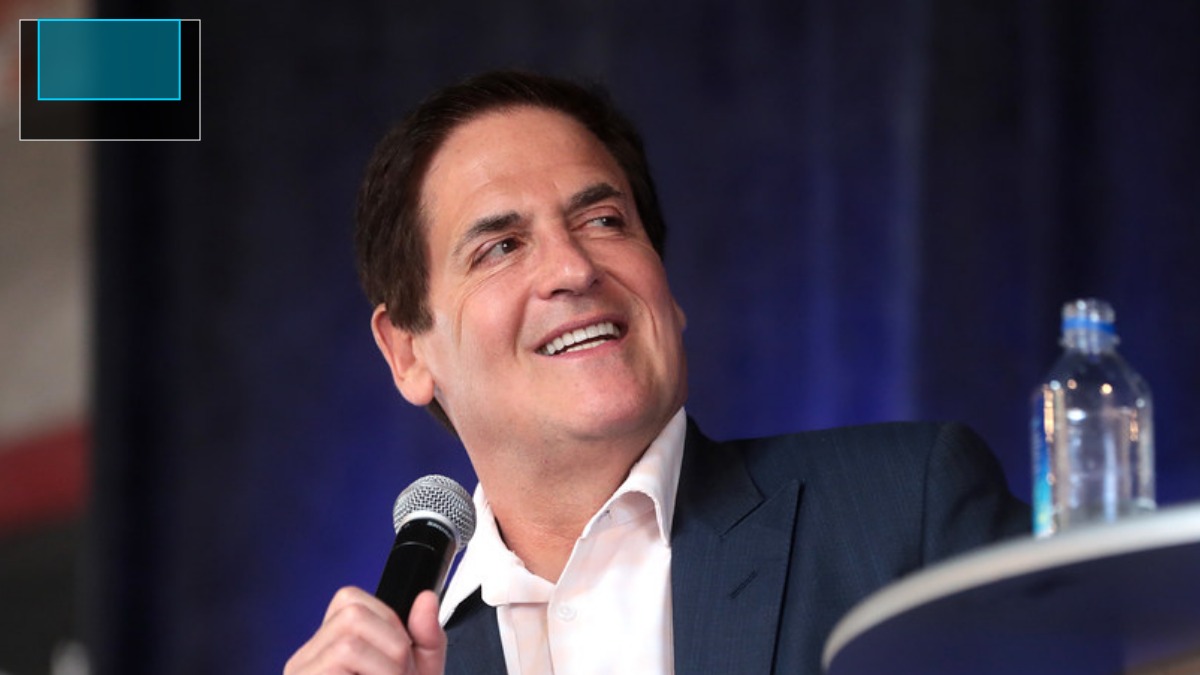

Mark Cuban recently admitted that he regrets who he sold the Dallas Mavericks to, not the sale itself. Speaking on the Intersections podcast, Cuban said, “I don’t regret selling, I regret who I sold to,” and added that he “made a lot of mistakes in the process and I’ll leave it at that.” His comments suggest his dissatisfaction goes beyond the financial terms of the deal.
The sale closed in 2023 for $3.5 billion, transferring a 73 percent controlling interest in the NBA franchise to casino magnates Miriam Adelson and her son-in-law, Patrick Dumont. Cuban retained a minority stake, but Dumont took over as the team’s governor, fundamentally shifting the power dynamics away from Cuban.
According to The Daily Mail, A year earlier, Cuban had expressed a different kind of regret on the DLLS Mavs Podcast, saying, “I don’t regret selling the team; I regret how I did it. I would have put it out to bid. But I didn’t, so it doesn’t matter.” That regret seemed more about the economics – the Boston Celtics later sold for $6.1 billion and the Los Angeles Lakers received a $10 billion valuation, but his most recent comments clearly shift the focus to the buyers.
The political divide between Cuban and the Adelson family likely explains his change of heart
The Adelson family’s strong political ties are likely at the heart of Cuban’s regret. Miriam Adelson and her late husband Sheldon have been major Republican donors for years. Miriam has continued this legacy by supporting President Donald Trump’s presidential campaigns in 2016, 2020, and 2024, pouring hundreds of millions of dollars into his political efforts.
Cuban sits on the opposite side of the political spectrum. He publicly supported Kamala Harris’s 2024 presidential bid and identifies as an independent. He has also been openly critical of President Trump, particularly on economic policy, and has even proposed unconventional ideas, like a $100 healthcare fine to cut national debt.
Despite these differences, Cuban had never publicly targeted the Adelsons for their political donations before the sale, making his current regret all the more notable. The change in ownership also brought major on-court decisions that drew widespread criticism.
Under Dumont’s leadership, the Mavericks traded superstar guard Luka Dončić to the Los Angeles Lakers last February, shocking the NBA fan base. Despite acquiring the first-overall pick Cooper Flagg in return, the Mavericks are now heading to the NBA Draft lottery for a second straight season, after reaching the Finals in 2024.
According to CBS News, Cuban himself described finding out about the Dončić trade in a blunt way. He was at a conference in Florida when general manager Nico Harrison texted him asking him to call. Cuban thought Harrison wanted his opinion on a potential trade, only to be told, “No, Mark. It’s done.”
Cuban then called Dumont, who he says “started telling me stuff that wasn’t true, that he had been told as the reason why he approved it.” Cuban’s response was clear: “And I’m like, ‘That’s not true. This is a mistake.’ But nothing I can do.”
Cuban also pushed back strongly against criticisms of Dončić’s physical conditioning, which reportedly played a role in the trade decision. “He’s not going to be the guy who takes his shirt off for the cover of a magazine, you know?” Cuban said.
He added, “I don’t care if he’s overweight. He’s going to give you 30 [points], 10 [rebounds] and 10 [assists].” Cuban summed up Dončić’s value simply: “That’s what defines Luka magic, because it wasn’t the plays in the second or third or fourth quarter. It was the plays at the end of the game where he would do something spectacular. And there are so few people who are able to do that. You don’t trade him.”
Cuban’s original reasons for selling were personal. He told the Intersections podcast he was growing tired of the “emotional commitment” that comes with being an NBA owner, and wanted to protect his children from the fan abuse that often targets ownership figures.
Cuban has never shied away from speaking his mind on broader issues, either, whether in sports, politics, or major international incidents making global headlines. While the sale may have made sense for him personally at the time, his regret about who he sold to, combined with the team’s controversial decisions since, paints a complex picture of a deal he clearly wishes had gone differently.




Published: Apr 1, 2026 01:45 pm