



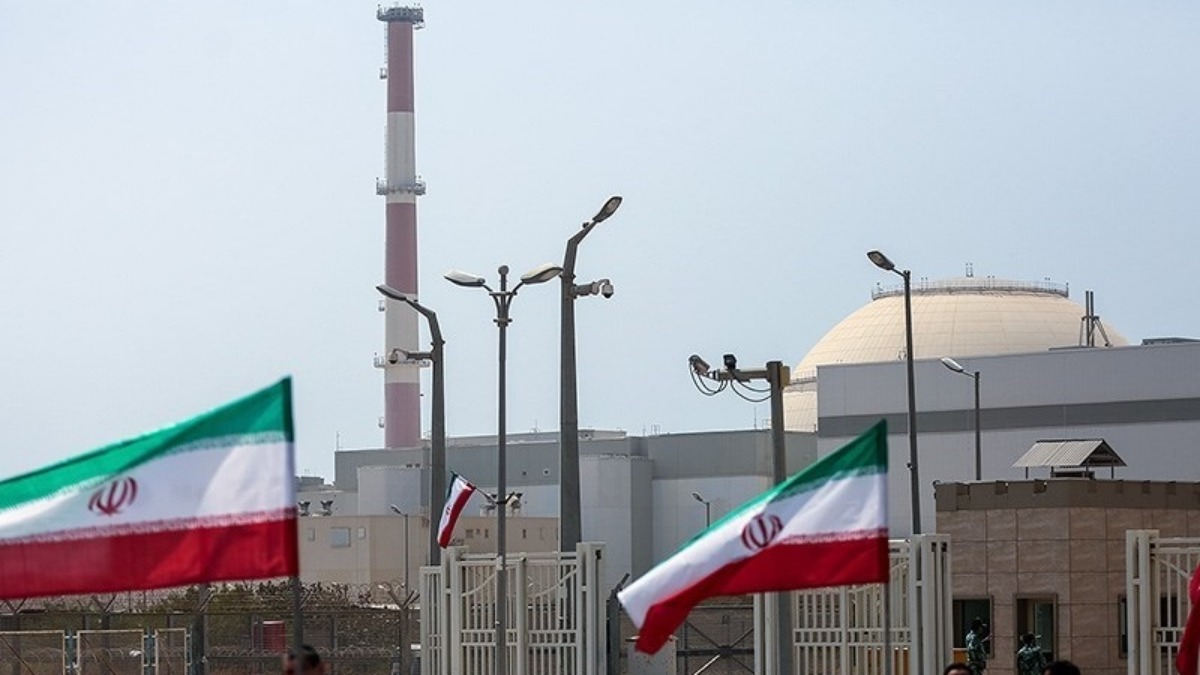

Just hours after a provisional ceasefire went into effect, President Donald Trump announced that the United States would partner with Iran to “dig up” and remove what he called “Nuclear Dust” left over from the recent conflict. Trump shared the news on Truth Social in a series of posts, outlining the path forward for both nations during a fragile two-week ceasefire.
“The United States will work closely with Iran, which we have determined has gone through what will be a very productive Regime Change!” Trump wrote in a Wednesday morning post. He explained that there would be no further uranium enrichment, and that the US and Iran would “dig up and remove all of the deeply buried (B-2 Bombers) Nuclear ‘Dust.'”
According to The Times of Israel, he also assured that the sites had been under “very exacting Satellite Surveillance (Space Force!)” and that nothing had been altered since the attack. Trump also mentioned that the US would be discussing “Tariff and Sanctions relief with Iran,” noting that many of the 15 negotiation points had already been agreed upon.
The ceasefire deal came extremely close to falling apart before it was reached
The ceasefire agreement was reached on Tuesday, just one hour before Trump’s deadline to “obliterate Iran” was set to expire. Pakistan played a key role in mediating the deal, and China is also believed to have pushed Tehran toward the negotiating table. As part of the provisional ceasefire, Iran agreed to temporarily reopen the Strait of Hormuz, a critical waterway for global oil shipments.
Trump confirmed he had received a 10-point proposal from Iran, which he called a “workable basis on which to negotiate.” The plan was submitted to the White House through Pakistani intermediaries. Among Iran’s demands are the lifting of all primary and secondary sanctions, continued control over the Strait of Hormuz, and withdrawal of US forces from the Middle East.
Iran has also demanded an end to attacks on itself and its allies, the release of its frozen assets, and a UN Security Council resolution to make any final deal binding. Many analysts believe the ceasefire terms agreed to by Trump’s side tell a very different story from the victory he has declared.
Notably, the Farsi version of Iran’s plan, released by Iranian state media, included a phrase about “acceptance of enrichment” for its nuclear program, but this phrase was absent from the English versions shared by Iranian diplomats, a discrepancy that points to potential disagreements in the talks ahead.
The question of the Strait of Hormuz remains particularly complicated. Iran’s foreign minister, Abbas Araghchi, stated that safe passage would be allowed under Iranian military management, though it was not immediately clear if this meant Iran would fully give up control of the waterway.
According to The Guardian, reports suggest the plan allows Iran and Oman to charge a fee of up to $2 million per ship transiting the strait, with funds going toward reconstruction. Democratic senator Chris Murphy expressed concern, saying, “who knows if any of that is true, but if this agreement gives Iran the right to control the strait that is cataclysmic for the world.”
Israel confirmed it supports the US decision to pause strikes against Iran for two weeks, but made clear the ceasefire does not apply to Lebanon, contradicting Pakistan’s prime minister, who had stated the ceasefire covered “everywhere including Lebanon.”
The Israeli offensive in Lebanon has already killed at least 1,500 people and displaced 1.2 million, after Hezbollah fired rockets at Israel in solidarity with Tehran. Israel also stated that Iran must immediately open the strait and stop attacks against the US, Israel, and other countries in the region.
Pakistan’s Prime Minister Shehbaz Sharif, who was central to brokering the ceasefire, announced he had invited Iranian and US delegations to meet in Islamabad on Friday. Tehran indicated its willingness to participate, and the White House is considering in-person meetings with Iran, though nothing has been confirmed yet.
Trump acknowledged China’s role in the process, revealing that he believed Beijing helped bring Iran to the negotiating table. It is worth noting that Trump spent the morning threatening Iran before taking credit for a peace deal that evening.








Published: Apr 8, 2026 10:15 am