



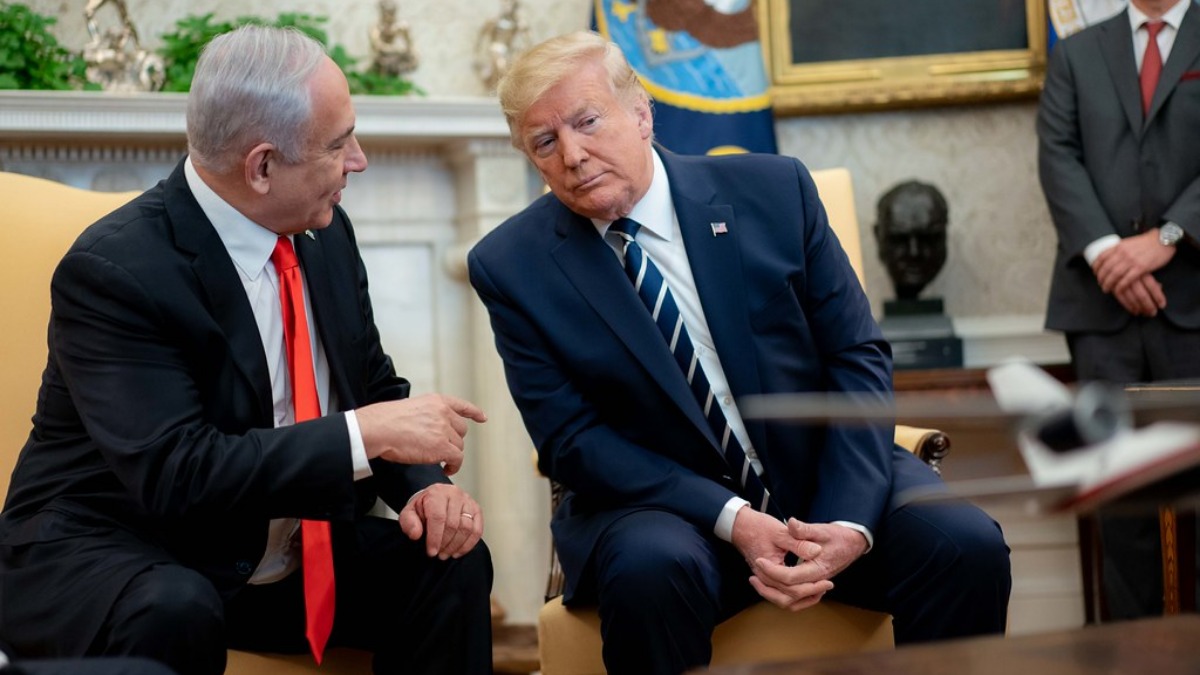

Israeli Prime Minister Benjamin Netanyahu’s office has announced its support for the United States’ decision to suspend strikes on Iran, but made it crystal clear that the two-week truce does not extend to Israel’s ongoing military operations in Lebanon, as reported by Al Jazeera. This declaration leaves Lebanon in a pretty immediate nightmare, especially after earlier reports suggested a broader ceasefire.
Netanyahu’s statement, posted on X, noted that Israel fully backed President Trump’s efforts to ensure “Iran no longer poses a nuclear, missile and terror threat to America, Israel, Iran’s Arab neighbors and the world.”
However, the critical caveat was the firm assertion that the two-week ceasefire “does not include Lebanon.” This really throws a wrench into things, especially since Pakistani Prime Minister Shehbaz Sharif had previously announced that the US, Iran, and their allies “have agreed to an immediate ceasefire everywhere, including Lebanon and elsewhere,” stating it was “effective immediately.”
The reality on the ground in Lebanon quickly reflected Netanyahu’s words
Lebanon’s National News Agency reported that the Israeli military continued its attacks on southern parts of the country. For instance, Israeli forces bombed the southern town of Srifa in the Tyre region and even issued an evacuation warning for a building near the town.
The Lebanese army, understanding the gravity of the situation, issued a stark warning, urging people not to return to the country’s south. They emphasized that in light of regional developments and the circulating ceasefire reports, citizens should “wait before returning to southern villages and towns and to avoid approaching areas where Israeli occupation forces have advanced… since they may be exposing themselves to the ongoing Israeli attacks.”
Lebanon found itself pulled into the US and Israel’s war on Iran on March 2, following attacks launched by Tehran-aligned Hezbollah on Israel. Hezbollah stated these attacks were a direct retaliation for Israel’s killing of Iran’s Supreme Leader Ayatollah Ali Khamenei on February 28, which was the first day of the war.
They also cited Israel’s near-daily violations of a ceasefire it had agreed to in Lebanon back in November 2024. That earlier truce was established after more than a year of cross-border fire between Israeli forces and Hezbollah fighters, which itself followed Israel’s launch of its genocidal war on Gaza in October 2023.
The human toll in Lebanon has been devastating. Lebanese authorities report that Israeli attacks have killed more than 1,500 people since March 2 and have displaced over 1.2 million. The Israeli military has also initiated an invasion of southern Lebanon, openly stating its intention to seize more territory for what it calls a buffer zone. This sounds like a recipe for continued conflict, not peace.
There hasn’t been any immediate comment from Hezbollah or the Lebanese government regarding Netanyahu’s announcement, which isn’t surprising given the sudden shift in expectations. Zeina Khodr, reporting from Beirut, explained that Hezbollah’s entry into the US-Israel war on Iran significantly expanded the conflict, bogging Israel down on multiple fronts. She believes Hezbollah’s strategy is to gain more political leverage by joining Iran in potential negotiations.
Khodr highlighted that Israel had previously refused to withdraw from southern Lebanon, release detainees, or allow displaced people to return home, all of which were terms of that earlier agreement. The big question now is whether the Israel-Hezbollah front will even be a topic of discussion in the upcoming negotiations between Iran and the US.
Lebanese Prime Minister Nawaf Salam himself reportedly believes that Iran has been directing Hezbollah’s military campaign in southern Lebanon, making the next two weeks of negotiations absolutely crucial for Lebanon. Ultimately, Israel wants security guarantees, something the Lebanese state, in its current position, struggles to provide.
This whole situation stems from President Trump’s recent announcement of a two-week ceasefire with Iran. He had previously threatened that “a whole civilization will die tonight” if Tehran didn’t comply with his demands. On Tuesday evening, just hours before a planned attack, Trump took to his platform X to announce he had reversed course. He credited Pakistan for mediating the settlement, but warned it came with specific conditions: Iran had to reopen the Strait of Hormuz.






Published: Apr 8, 2026 02:30 pm