



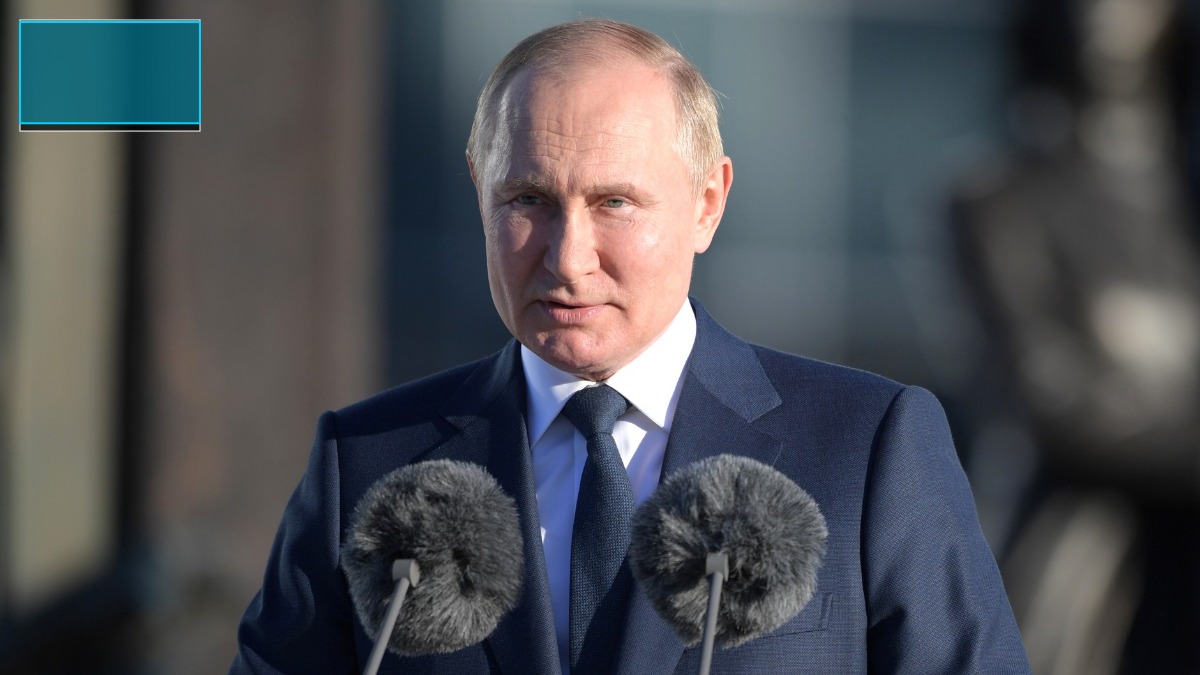

Russian President Vladimir Putin ignored a direct appeal from Alexander Shokhin, head of the Russian Union of Industrialists and Entrepreneurs, over the country’s sweeping internet restrictions. As reported by the Associated Press, Shokhin told Putin at a recent forum that recurring shutdowns of mobile internet connectivity have made life difficult for both businesses and ordinary citizens. Despite Shokhin’s status as a former government minister and long-time United Russia member, Putin offered no response and simply walked away.
The exchange captures the widening friction between the Kremlin and Russian civil society over digital policy. The government’s approach has shifted from blocking individual websites to implementing broad, systemic shutdowns of mobile and broadband connectivity across entire regions. Officials have justified these measures by claiming they prevent Ukrainian drones from using Russian cellular networks for navigation, but the disruptions are occurring regularly in remote areas far from the front lines of the ongoing conflict.
The practical consequences for daily life are significant. Russians are finding it increasingly difficult to order taxis, arrange food deliveries, process electronic payments, or stay in contact with family members. Messaging platforms WhatsApp and Telegram are now largely unusable without a VPN, and Digital and Communications Minister Maksut Shadayev has confirmed that his ministry has received orders to further restrict VPN access as well.
Industry leaders are openly pushing back, but so far the Kremlin isn’t listening
At a recent telecommunications conference, CEOs from two major Russian cellphone operators, Beeline and Megafon, called on the government to shift toward more targeted interventions rather than regional blackouts. Khachatur Pombukhchan of Megafon argued that operators could identify and restrict specific suspicious users rather than cutting off entire areas, which would make life significantly easier for clients. The suggestion reflects a growing consensus among industry figures that the current approach is causing more economic damage than security benefit.
The IT sector has also raised alarms. Natalya Kasperskaya, a prominent Russian tech entrepreneur, warned that there is no technical method to block VPNs without disrupting the broader internet, and her comments followed a brief nationwide outage that affected banking and other essential digital services. She later apologized after Roskomnadzor denied involvement, but her initial warning highlighted the risk of collateral damage from aggressive blocking attempts.
Her advice that people withdraw cash and prepare for life with limited connectivity underscored how seriously insiders view the trajectory. Russia’s posture on digital control has drawn international attention, including from its neighbors, with Armenian Prime Minister Nikol Pashinyan making a pointed remark during a televised meeting with Putin on April 1 that in Armenia, social media is 100 percent free. Russia has also faced separate economic pressure from abroad, with the U.S. threatening 50% tariffs on countries supplying Iran with weapons a measure explicitly aimed at Moscow and Beijing over military supply chains.
Public discontent inside Russia is becoming harder to contain. On a recent weekend in central Moscow, dozens of people lined up outside a presidential administration building to file formal complaints against the digital clampdown. Opposition politician Boris Nadezhdin is among those planning authorized demonstrations for April 12, framing the protests around the argument that connectivity is essential for scientific and technological progress. Lawyer Sarkis Darbinyan described the Kremlin’s apparent goal as driving the population into a digital ghetto of state-controlled platforms. The region’s geopolitical instability has also added pressure, with Israel conducting fresh strikes on Lebanon despite the US-Iran ceasefire, keeping the broader conflict environment that Russia is operating within highly volatile.








Published: Apr 10, 2026 07:30 pm