



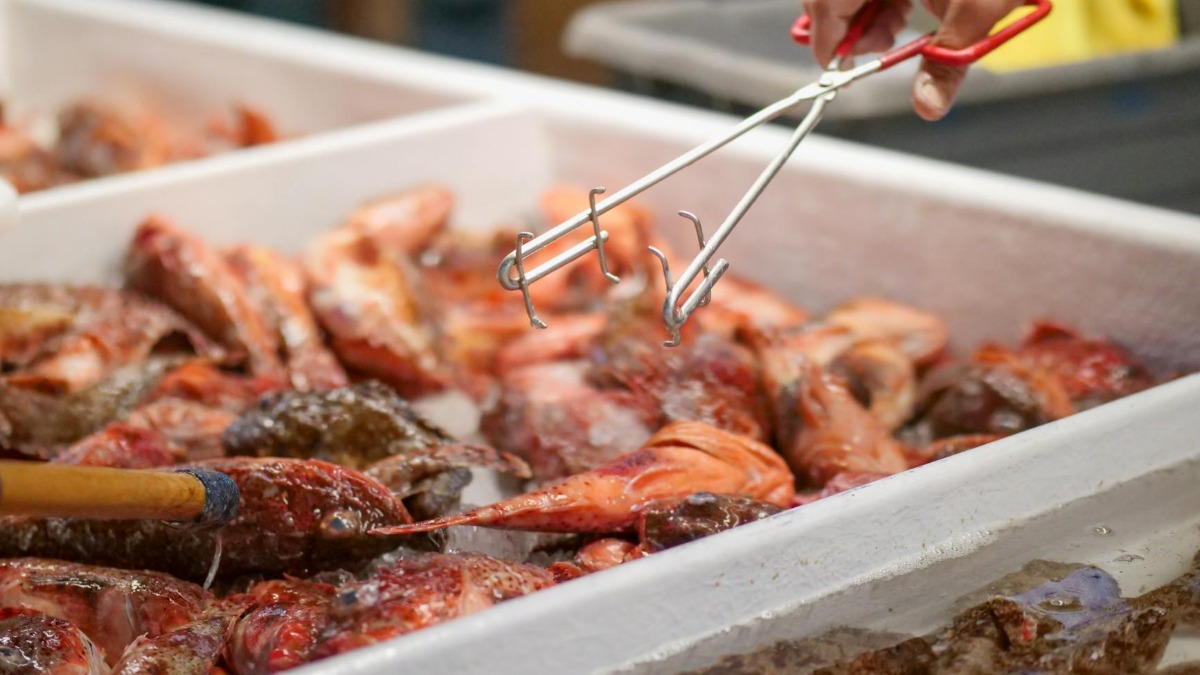

A Publix shopper sparked a viral moment after discovering a parasite sitting on a piece of cod at a store seafood counter and posting it to TikTok. The shopper, known as Brax, zoomed in on a worm-like creature resting directly on a fillet priced at $13.99 per pound, with on-screen text asking when customers started paying for parasites with their fish. The video has since racked up over 339,000 views, as first reported by BroBible.
A person identifying as a Publix seafood worker jumped into the comments to defend the store, claiming the company has specific policies requiring staff to inspect every piece of fish for parasites before placing it in the full-service display case. That suggests the incident was a lapse in standard quality control rather than a routine occurrence at the chain.
The online reaction was split between disgust and matter-of-fact explanation. Several commenters identified the creature as likely an anisakid nematode, which is common in Alaskan cod and generally harmless as long as the fish is cooked or frozen to the correct temperature. Others noted that they are fine with the reality of parasites in seafood as long as they do not have to see one themselves. Even the official PETA account weighed in, commenting that plants win in this scenario.
Wild-caught fish and parasites are more connected than most shoppers realize
Data from the British Columbia Centre for Disease Control suggests that as many as 75% of wild-caught fish may carry a parasite by the time they reach a dinner plate. Industry workers in online communities like the r/Cooking subreddit frequently point out that this is simply a fact of nature for wild fish.
Farmed fish are far less susceptible because their feed is typically made from soy or corn rather than the marine organisms through which parasites are transmitted. It is the kind of food reality that rarely makes it into the display case conversation, not unlike the viral debate over a $220 surf-and-turf order that recently divided the internet over what counts as reasonable consumer behavior.
According to Seafood Health Facts, proper cooking eliminates the risk entirely. Heating fish to 145 degrees Fahrenheit for 15 seconds is sufficient to kill both bacterial pathogens and parasites.
The real concern arises with raw or lightly preserved preparations such as sushi, sashimi, ceviche, or cold-smoked items like lox, where commercially frozen fish or home freezing at negative four degrees Fahrenheit for at least seven days is recommended. Standard home freezers, which typically range from zero to ten degrees Fahrenheit, may not be cold enough to meet that threshold.
Retailers are encouraged to use techniques like candling or trimming away belly flaps to reduce parasite presence, but these methods do not eliminate the risk entirely. The health risk from parasites in seafood is generally considered lower than the risks associated with bacterial contamination or general food mishandling.
The creature spotted at the Publix counter appeared dead, and the store confirmed it has protocols in place to prevent such items from reaching customers, amid a broader conversation about unconventional food-based character tests that have been drawing attention online this week.








Published: Apr 11, 2026 08:30 am