



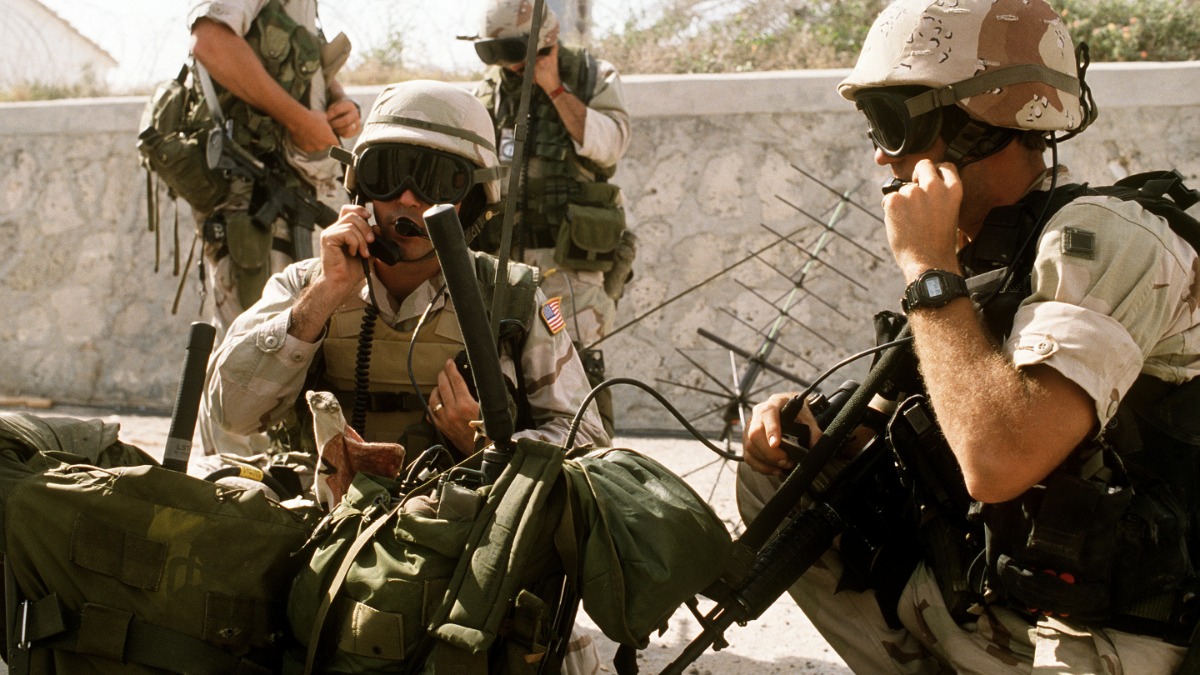

A growing number of U.S. military personnel are quietly leaving the armed forces as the ongoing war with Iran causes frustration and moral conflict within the ranks. While the Pentagon says retention is not a problem, organizations that help service members leave the military are seeing a huge rise in demand.
Bill Galvin, the counseling director at the Center on Conscience and War, says the recent months have been incredibly intense. His organization runs a 24-hour GI Rights Hotline, and in March alone, they took on more than 80 new clients, nearly double the number they usually see in an entire year. According to NPR, one caller mentioned that four other members of their platoon were also looking into ways to leave.
Many service members point to the U.S.-Israeli war against Iran as the main reason they want out. The bombing of a girls school in Iran on the first day of the conflict, which killed at least 165 civilians, has been a major breaking point. An official confirmed that a preliminary assessment found the U.S. at fault, noting the building was likely on an outdated target list as a former naval base.
The Pentagon denies a retention crisis, but those on the ground tell a very different story
The Pentagon is pushing back strongly against the idea that there is a retention problem. Pentagon press secretary Kingsley Wilson stated in an email that there are “zero retention concerns for Fiscal Year 2026,” and that every branch is meeting its recruitment targets. White House spokesperson Anna Kelly added that “President Trump has successfully restored readiness and lethality at the Department of War.”
The Pentagon’s public messaging has come under scrutiny in other areas too, including quietly leaked plans to expand military bases in Greenland. Despite these assurances, the reality appears more complicated. An Army career counselor, speaking on condition of anonymity, described the situation as “crumbling,” saying 2025 saw the highest number of service members seeking separation guidance in their professional experience.
Many service members are also struggling to even book a slot in the mandatory Transition Assistance Program, with some wait times stretching to six months due to overwhelming demand. The political climate under the current administration is also hurting morale. Kori Schake of the American Enterprise Institute says the administration has dragged the military into culture wars, creating a sense that meritocracy is being eroded.
The dismantling of diversity, equity, and inclusion programs and the firing of senior leaders, including Gen. Randy George, have made things worse. One military official referred to Defense Secretary Pete Hegseth as “the Secretary of Culture Wars,” arguing that his move to stop promotions of qualified Black and female officers is accelerating the loss of talented personnel. For some, the decision to leave is deeply personal.
A full-time member of the Ohio Air National Guard described his anger following the deaths of six airmen in a refueling accident in Iraq on March 12. He had been struggling with his role for months, but after the accident, he felt he could no longer wait to begin civilian life. He is now actively applying for civilian jobs, willing to accept whatever consequences come from breaking his contract.
Mike Prysner, an Army veteran and executive director of the Center on Conscience and War, says they are receiving calls from across the ranks, including from elite units and high-ranking officers. Separately, the Pentagon’s approach to wartime technology has also drawn attention, with analysts examining how the military’s AI risk decisions could reshape wartime tech.
A recent Pew Research Center survey, conducted between March 16 and March 22, found that 61% of Americans disapprove of President Trump’s handling of the Iran conflict, and 59% believe the initial decision to use military force was the wrong one.








Published: Apr 12, 2026 08:00 am