



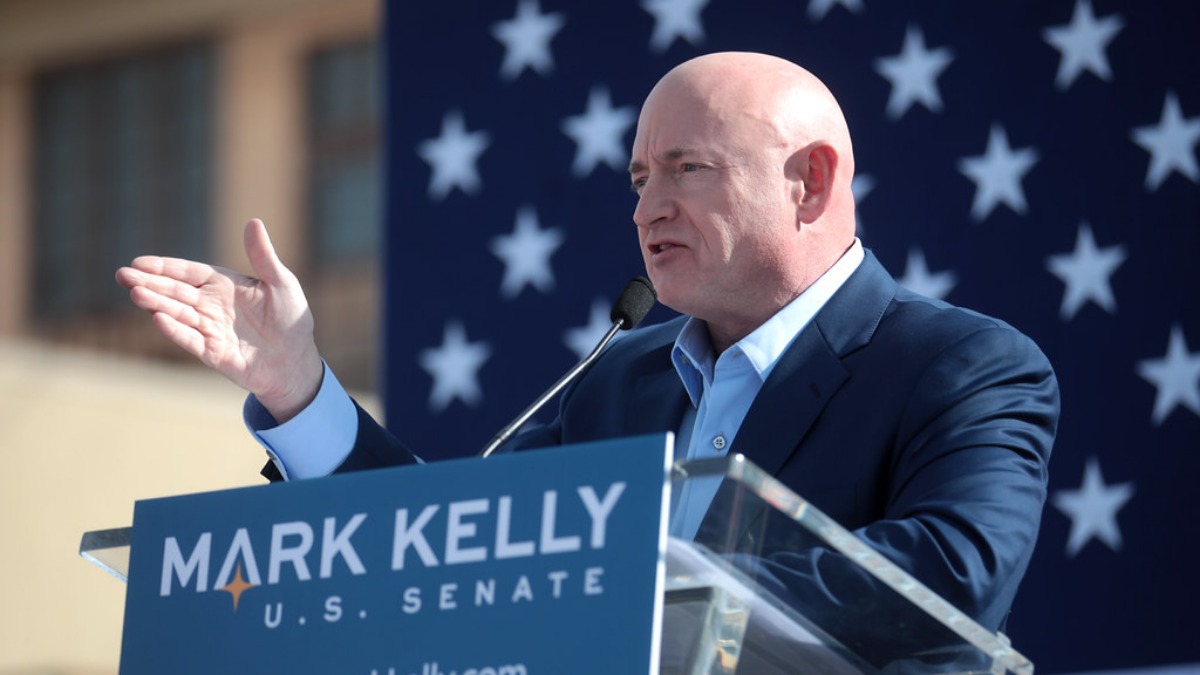

Senator Mark Kelly publicly criticized the U.S. diplomatic approach in the Middle East, specifically targeting the roles of Jared Kushner and Steve Witkoff in the recent negotiations. Speaking at the National Action Network Convention in New York City, the Arizona senator called out what he sees as a serious problem with the administration’s strategy. Kelly said, “You can’t send the two real estate developers to negotiate a peace with another region.”
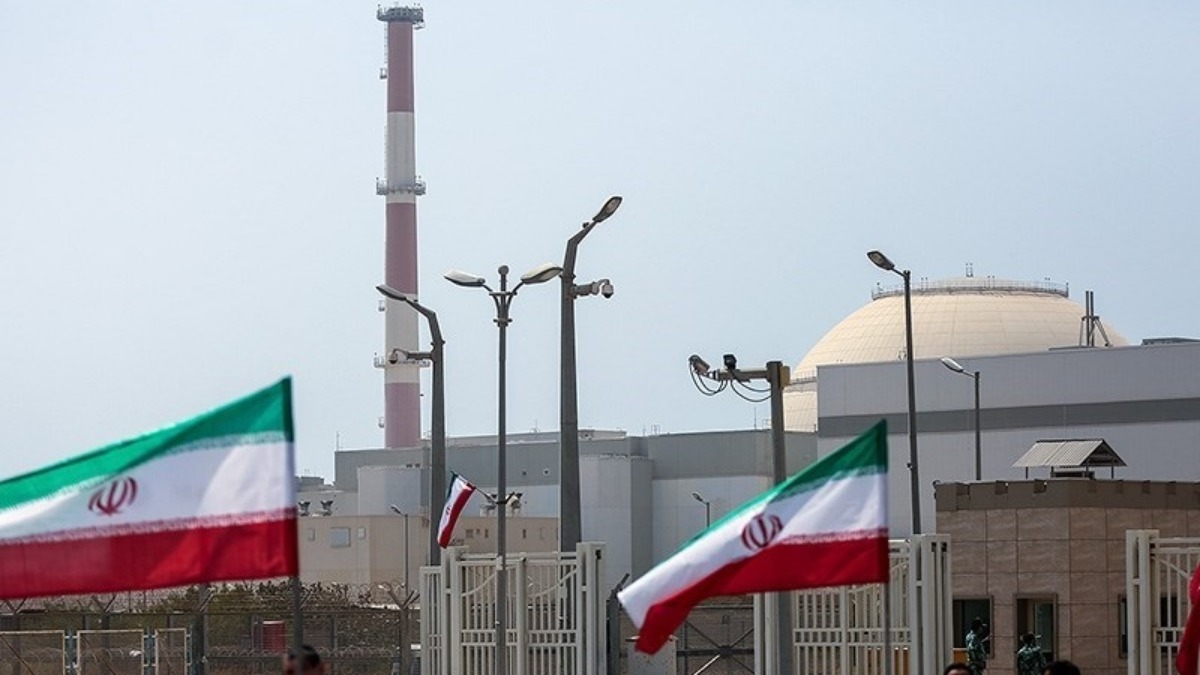
These comments come as the U.S. delegation, led by Vice President Vance alongside Kushner and Witkoff, is involved in talks related to the six-week conflict involving Iran. The discussions in Islamabad, Pakistan, mark the first face-to-face talks between the U.S. and Iran since the 1979 Islamic Revolution. According to The Hill, the agenda included Iran’s nuclear program, the ongoing war, and maritime safety in the Strait of Hormuz.
However, the talks have been unsuccessful. Iran’s state broadcaster IRIB reported that the Iranian delegation spent 21 hours in continuous discussions before walking away, citing what they described as unreasonable demands from the American side. Iranian Foreign Ministry spokesperson Esmaeil Baqaei said any future progress depends entirely on the U.S. acting in good faith, and he urged Washington to drop what he called excessive and unlawful requests.
The Strait of Hormuz crisis reveals deeper problems with the administration’s approach
Kelly, a retired NASA astronaut and naval officer, also went after the administration’s broader handling of the conflict. He argued the U.S. entered the situation without a clear plan, a defined timeline, or an exit strategy. He specifically pointed to the blockade of the Strait of Hormuz, which carries roughly one-fifth of the world’s oil supply, and placed the blame squarely on the current administration.
Vance, who is leading the U.S. delegation, refused to reveal Trump’s guidelines for the Iran talks despite confirming they existed. Kelly remarked, “There is one person responsible for closing the Strait of Hormuz. It’s Donald Trump. What Donald Trump taught the Iranians is they now have a strategic asset that they can exploit for decades to our detriment.”
The administration pushed back on this view. President Trump denied that recent shipping changes were a result of the strait being closed, and described Iran as a failing nation, suggesting the global market is already finding alternative routes. Despite this, Kelly argued that the administration’s decision to launch initial strikes in February without consulting allies has damaged key relationships.
Kelly stressed the need to rebuild ties with NATO and regional partners before bringing Iran back to the table for more serious talks. He believes alienating allies early in the process has made the diplomatic path forward much harder.
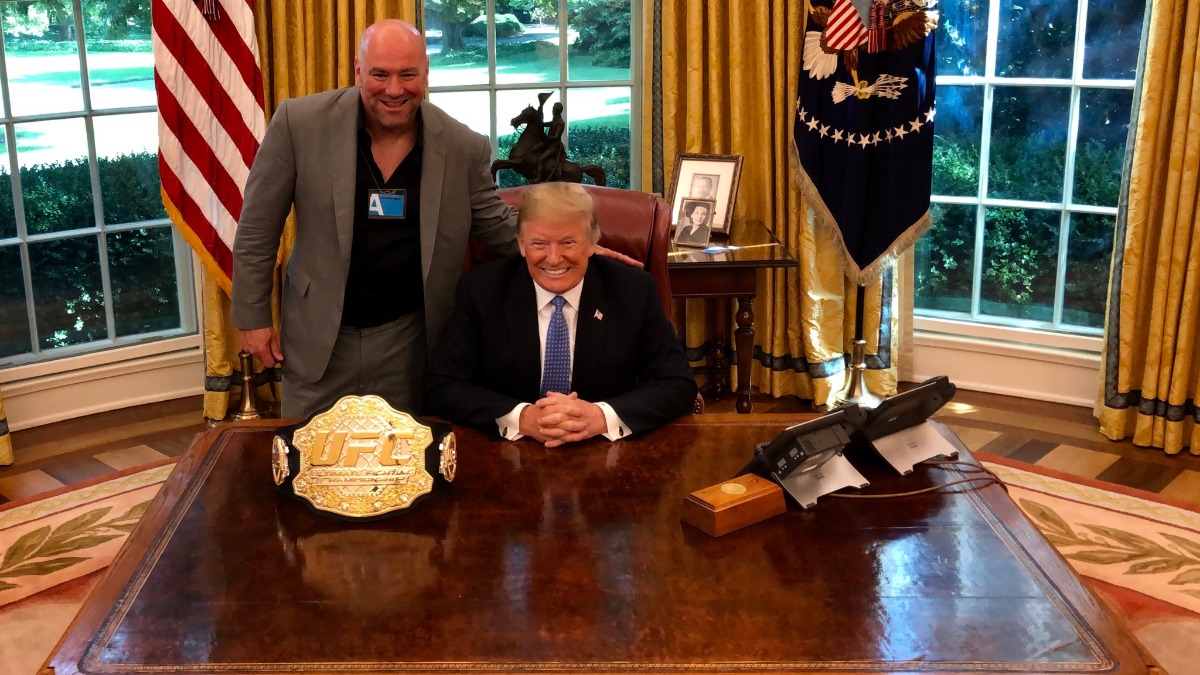
Trump’s strained relationships with other world leaders have drawn attention beyond just foreign policy circles, as Trump’s silence toward a championship-winning team recently highlighted a growing divide in how the president engages publicly.
The involvement of Kushner and Witkoff has been a running theme throughout the administration’s second term. Their diplomatic portfolio has covered the Russia-Ukraine war, the Gaza ceasefire, and now Iran’s nuclear program. For critics like Kelly, using these two figures for high-stakes geopolitical negotiations is a strategic mistake that goes against the traditional demands of international diplomacy.
The Gulf News says the Iranian leaders believe the core U.S. demands were not acceptable during the Islamabad talks. As of now, there is no indication of a future sit-down between the two parties. If future talks do happen, the debate over who is best suited to handle these negotiations is growing louder, and the path forward remains unclear.







Published: Apr 12, 2026 10:00 am