



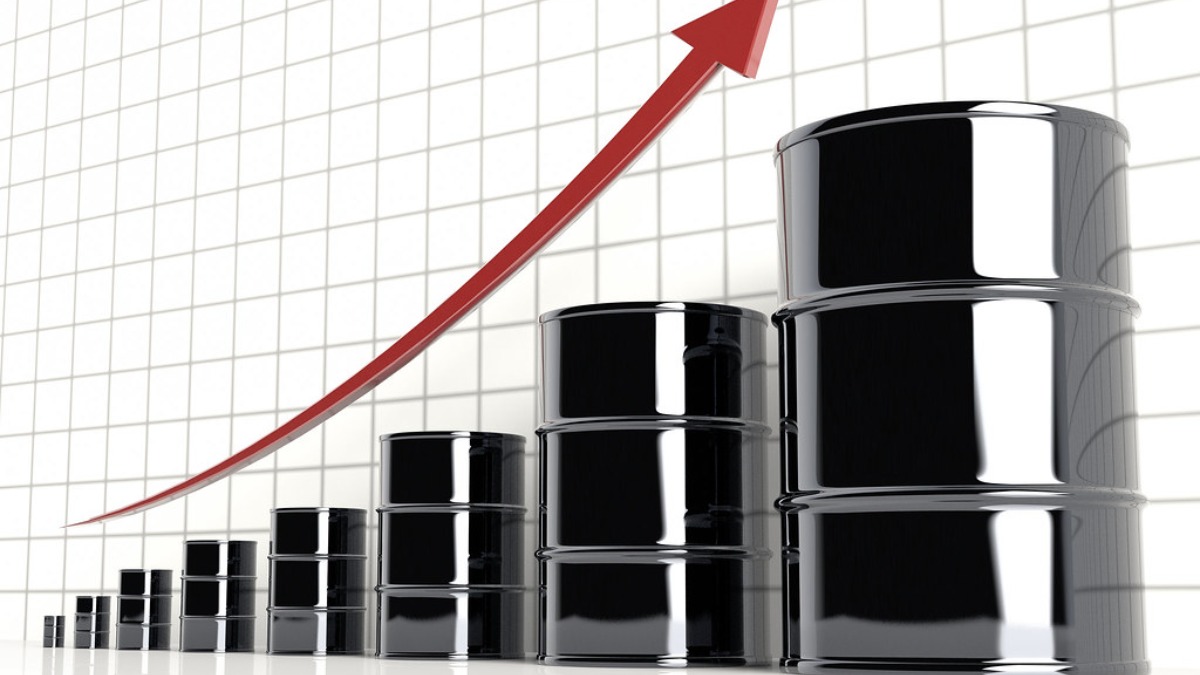

A major GOP donor has issued a stark ultimatum: if gas prices do not come down within 45 days, voters will punish the party at the ballot box. As detailed by The Washington Post, nonpartisan analysts now consider the Senate to be in play, a development that reflects growing anxiety within Republican ranks heading into a midterm year that has turned significantly more difficult than anticipated.
The primary driver of that unease is the ongoing U.S.-Iran conflict. Now in its seventh week, the war has kept energy prices stubbornly elevated. The U.S. Energy Information Administration has indicated that prices could take months to normalize even if the conflict ends soon, with its latest forecast suggesting oil supplies may not return to pre-conflict levels until late 2026, and only if fighting ends before May.
That economic reality has complicated GOP midterm strategy. Republicans had hoped to center their messaging on tax breaks and refunds, but persistent energy costs have forced a shift. After weekend talks with Iran collapsed without a deal, the administration announced a blockade of the Strait of Hormuz, a move that has kept global oil markets unsettled. Brent crude recently rose 8 percent to around $103 per barrel, and as of Monday morning, the national average for gas stood at $4.12 per gallon.
The Senate is in play and Republicans are running out of time to change the math
Dave Wasserman of the Cook Political Report noted that declining presidential approval makes it hard for Republicans to turn out their base while also winning independents. The Cook Political Report has since shifted five House contests to the left and moved the Iowa governor’s race into the toss-up category. Kyle Kondik of Sabato’s Crystal Ball echoed that assessment, stating that the seeds for a potential Senate flip are being laid.
Some within the GOP are holding out hope. One strategist working on the midterms argued the current period represents the party’s low point and that there is room for recovery. Republican strategist Jonathan Bridges, amid failed US-Iran negotiations over the Strait of Hormuz and other sticking points, acknowledged that $4 gas will hurt consumers planning summer travel but maintained there is still time for the outlook to improve.
The White House has continued to defend its approach, emphasizing a commitment to lowering costs and preventing Iran from acquiring nuclear weapons. Spokesperson Taylor Rogers stated that with a ceasefire in place and a long-term peace plan under development, the administration expects oil and gas prices to eventually fall toward pre-conflict lows. When asked on Fox News about the prospect of lower gas prices before the midterms, the president said prices could stay the same or potentially increase.
Democrats, meanwhile, are finding cause for optimism in recent special election results. Republican Clay Fuller won the House seat formerly held by Marjorie Taylor Greene, but his margin was significantly smaller than in previous cycles.
A liberal candidate’s decisive win in a recent Wisconsin Supreme Court race also drew attention, with Democratic pollster Jeff Horwitt describing the 60 percent vote share as a remarkable number for a battleground state. Amid soldiers quietly leaving the military over the Iran war, the combination of antiwar sentiment and economic pain is giving Democrats additional openings heading into November.
If the Energy Information Administration’s projection of peak prices in April holds, the next few weeks will be critical for incumbents in both parties. With Brent crude at $103 and the national pump average at $4.12, the price of gas may prove to be the defining variable in November.




Published: Apr 13, 2026 10:15 am