



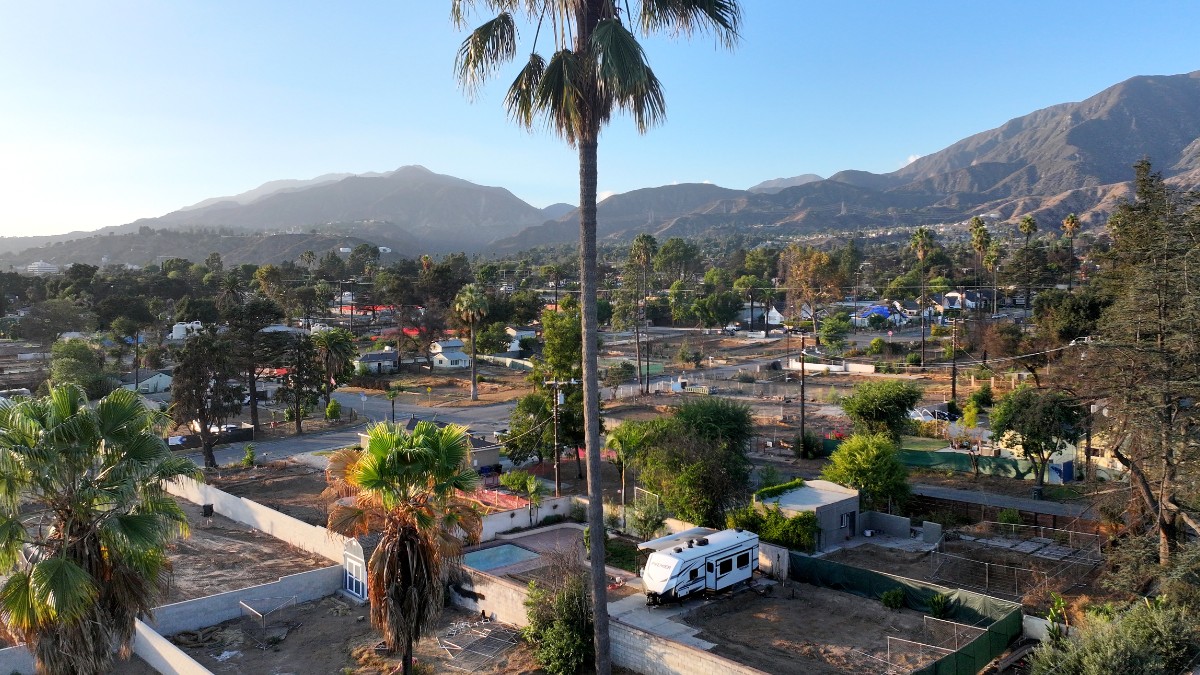

A crucial plan intended to coordinate the massive rebuilding effort in Los Angeles following the devastating January fires has completely collapsed, leaving thousands of victims scrambling as their insurance and savings rapidly disappear, as per Politico. Nearly a year after the twin blazes destroyed 16,000 structures and claimed 31 lives, the failure of the proposed Resilient Rebuilding Authority highlights a severe lack of cohesive leadership and funding, leaving homeowners mostly on their own.
Signs that fire victims are struggling financially are unfortunately worsening. A mid-September survey by the Department of Angels nonprofit found that a majority of residents are depleting their savings and taking on significant debt. Even worse, more than half of the surveyed residents had less than a year of displacement coverage remaining from their insurance or never had any coverage at all.
Assemblymember John Harabedian, a Democrat representing Altadena, called the situation a “ticking time bomb,” emphasizing that they don’t have time to wait. He noted that his constituents constantly ask him who is actually in charge of the recovery. Harabedian argues that the current setup involves “too many cooks in the kitchen.”
The fire victims are the ones being hurt by the bureaucratic dysfunction
This vacuum of leadership isn’t new. Immediately after the fires, L.A. Mayor Karen Bass quickly sidelined civic leader Steve Soboroff, whom she had appointed as the recovery czar for Pacific Palisades. While the Federal Emergency Management Agency and the U.S. Army Corps of Engineers helped with debris removal, the necessary long-term funding has stalled due to political acrimony.
Governor Gavin Newsom’s massive $40 billion request for aid has been put on ice due to dysfunction in Congress and ongoing friction between him and President Donald Trump. Administration officials have signaled that they want states to shoulder more of the financial burden, while President Trump has even floated tying strings to the money, such as changes to California’s voter ID laws.
Into this messy situation stepped L.A. County Supervisor Lindsey Horvath. She assembled a blue-ribbon commission of business, climate, and government leaders who spent months developing a solution: the Resilient Rebuilding Authority. The commission envisioned vast powers for the RRA, arguing they were essential for fast, coordinated rebuilding.
The plan included purchasing burned-out lots from owners, reconstructing the houses at scale, and then selling them back at a discounted rate to guard against speculators. The agency would pay for itself by sequestering property taxes from the revived fire areas.
The structure was just as important as the funding, supporters argued. Other major events like upcoming immigration raids, the World Cup, and the Olympics would inevitably pull attention away from elected officials, but the recovery needs years of focused leadership.
Supervisor Kathryn Barger, who represents Altadena, remains unenthusiastic about any new entity, stating she doesn’t want to “create a bureaucracy within a bureaucracy.”








Published: Nov 24, 2025 07:00 pm