


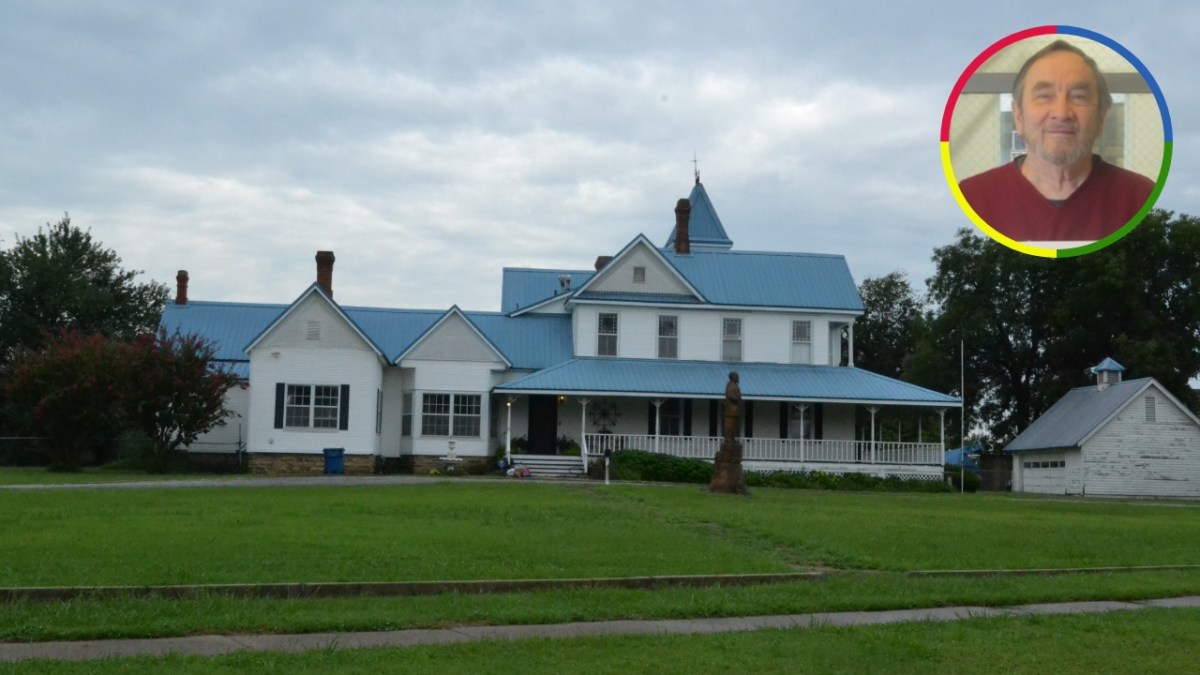

Oklahoma executed James Pavatt, 73, by lethal injection on Thursday for the 2001 murder of Rob Andrew, according to the Oklahoma Attorney General’s Office. The Pavatt execution took place at the Oklahoma State Penitentiary in McAlester, and he was pronounced dead at 10:12 a.m., the office said in its release.
Pavatt had no last words, and the Pavatt execution was described as uneventful. He maintained his innocence to the end, and the state Pardon and Parole Board denied clemency by a three to two vote last month. At the hearing, Pavatt said Brenda Andrew, Rob Andrew’s wife, had manipulated him.
Rob Andrew was 39 years old, an advertising executive and the father of two children. He was shot in his garage on November 20, 2001, just before Thanksgiving, while he was picking up the kids. The Pavatt execution closes a case that spent roughly 25 years moving through Oklahoma’s courts.
Prosecutors tied the killing to an $800,000 life insurance policy
Prosecutors argued at trial that Pavatt and Brenda Andrew were having an affair, which Pavatt’s attorneys denied, and that the two plotted the killing for an $800,000 life insurance policy. The jury convicted Pavatt and agreed that the murder was especially cruel, a finding that Oklahoma law treats as an aggravating factor in death penalty cases.
Brenda Andrew told investigators that masked intruders had shot her in the arm on the night of the attack. However, prosecutors said both Pavatt and Brenda Andrew were equally responsible for the murder regardless of who fired the shots, a position that shaped how the case was argued before the jury.
The pair fled to Mexico with Brenda Andrew’s two children and were arrested about three months after the killing. Weeks before the murder, Rob Andrew had told police that the brake lines on his car had been cut, a detail that prosecutors later presented as part of the broader case against the two defendants.
At his clemency hearing, Pavatt told the board that he was so infatuated with Brenda Andrew that he lost sight of what was happening. His attorney argued that no credible evidence placed Pavatt at the scene, while a prosecutor said Rob Andrew’s family stayed away from the hearing, as they did not wish to relive the pain.
Pavatt’s attorneys also pointed to his military service, and they said close to 100 veterans had signed a letter urging the board to grant clemency. However, Attorney General Gentner Drummond opposed that request, saying Pavatt had been a friend and insurance agent to Rob Andrew before the killing and had never told the truth about it.
The attorney general’s office said justice had been served for Rob Andrew and that his family now had “some sense of peace” after 25 years of grief. Pavatt gave no final statement, a contrast with an inmate’s final words to his son that drew attention at an earlier execution.
Brenda Andrew was tried separately, convicted and sentenced to death, so her case has followed its own path through the courts, separate from the Pavatt execution. The Pavatt execution was the first of two carried out in the United States on Thursday, according to the release, and it came the day after Veterans Day.
Pavatt’s death closes one chapter of the Pavatt execution story, yet Brenda Andrew’s death sentence remains in place, and further court activity in her case could shed more light on that November night.






Published: Nov 13, 2026 08:00 am