


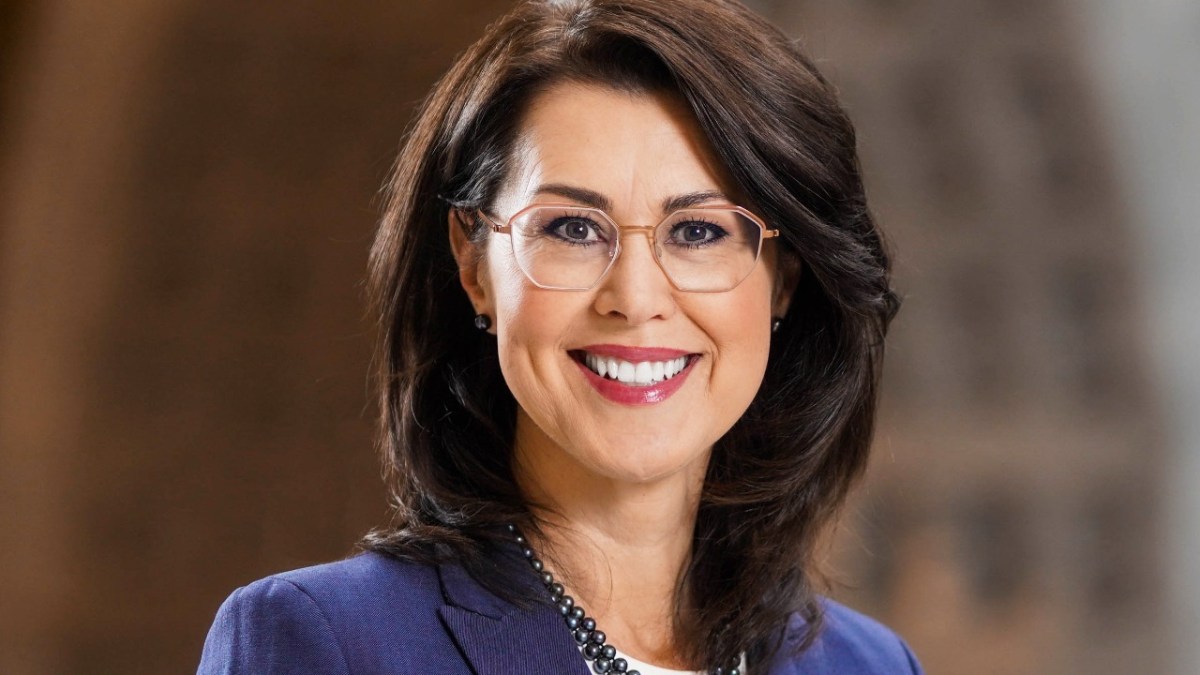

Utah’s Republican lieutenant governor is now under formal investigation by the Department of Justice. Deidre Henderson oversees elections in a state President Trump carried by more than 20 points. She turned down a federal request for the complete statewide voter registration list.
Henderson said the Justice Department asked for information that state rules normally keep confidential. In an interview with CBS News’s 60 Minutes she explained that officials sought “social security numbers, full dates of birth, driver’s license numbers.”
She added that the agency “just weren’t given very good answers” about why the data was needed. Henderson said her office worried about “what they would do with that data.” Officials in 29 other states, including both Democratic and Republican ones, also refused the same request. The Justice Department has filed lawsuits against those states, saying it needs the rolls to help stop people who are not eligible from voting.
Henderson Found Just 52 Questionable Voters Among More Than 2 Million
California election officials received a separate warning from the Justice Department. The agency said it could prosecute them if they knowingly count mail-in ballots from roughly 20,000 people the Trump administration calls “likely noncitizens.” On Friday, President Trump wrote on social media that “They will all go to jail for a long period of time!!!” Meanwhile, the DOJ is weighing a Supreme Court appeal after federal judges blocked its access to state voter rolls.
In Utah, Henderson’s review found 52 voters whose eligibility looked questionable out of more than 2 million people on the rolls. 60 Minutes calculated that share as two thousandths of one percent. Henderson said the issue has never been a problem in the state. She told the program, “Across the board, nobody I know wants anyone who isn’t eligible to be able to vote.”
Henderson has been told that knowingly letting noncitizens cast ballots could lead to prosecution and prison. In July, Secretary of Homeland Security Markwayne Mullin stated that “Those individuals can also be held accountable by fines, by penalties and even depending on how far it goes, prison time.”
She described a shift from earlier election cycles. Henderson said, “In the past two elections that I oversaw as lieutenant governor the threats were all external. Non-state actors, cyber security threats and other things. But now we also have threats coming from within our own government.”
The Justice Department notified Henderson last month that she is officially under investigation. Asked about possible jail time, she replied, “We’re not going to prison. No. It’s silly.” She later said, “I have to tell myself it doesn’t matter what the consequences are, if– as long as I feel like I’m doing what’s right. I think this is an important thing for me to do, holding these guard rails, holding the line. Someone has to.”
Armed federal agents took ballots from a local election facility in Georgia this past January. The administration has also examined voting machines and ballots in multiple states. Henderson said she is “just doing my job” by following state privacy rules while the federal review continues.




Published: Oct 19, 2026 07:30 am