



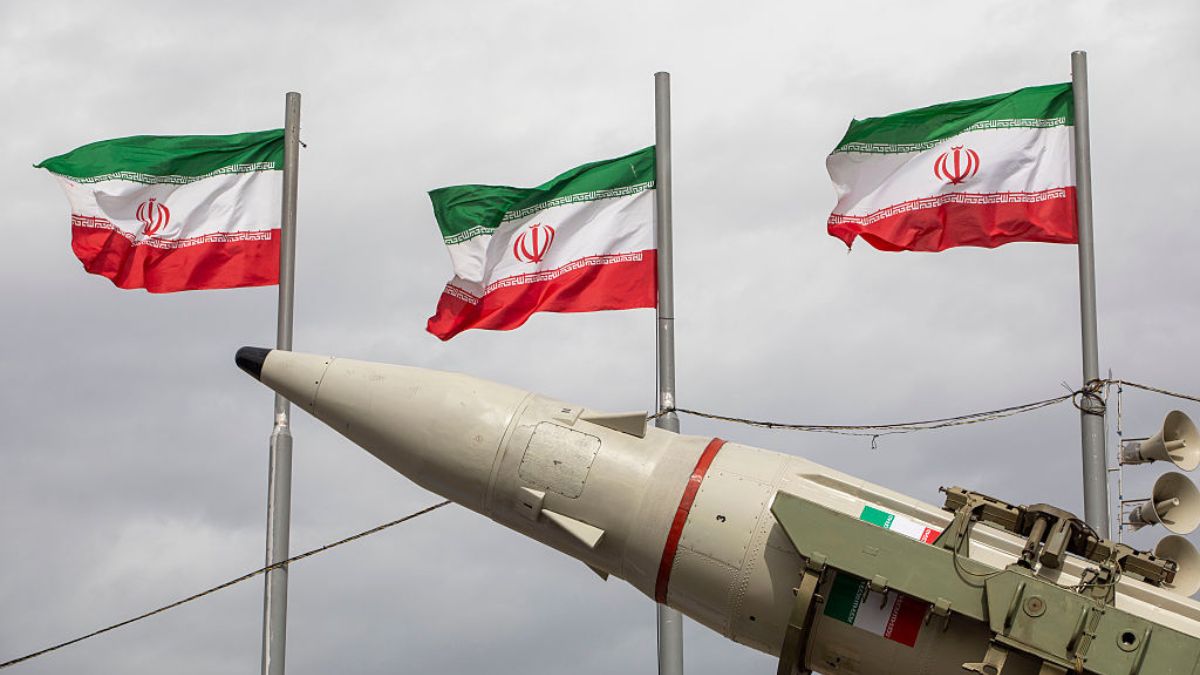

President Trump has given Iran a 10 to 15-day window to come to the negotiating table, or face significant consequences. This tight timeline has put nuclear diplomacy in the spotlight, but experts say this deadline may not be as simple as Tehran believes.
Trump’s deadlines have historically worked as both a warning and a strategic tool. Back in June, he said he would decide on a strike against Iran “within the next two weeks,” but made that decision just two days later. According to Fox News, Jason Brodsky, policy director at United Against Nuclear Iran, points out that the Iranian regime has been “deluding itself, thinking they can treat President Trump like President Obama.”
There is also significant skepticism within the administration that these talks will lead to any real breakthrough. Brodsky believes the talks may serve a dual purpose, sharpening the choices for Iranian leadership while buying time for the U.S. to position military assets in the region. The presence of the USS Gerald R. Ford in the Mediterranean Sea supports this idea of strategic positioning.
Iran’s red lines and stalling tactics make a genuine deal look unlikely
From Iran’s side, a Middle Eastern source familiar with the negotiations says Tehran understands how close the risk of war feels right now and is unlikely to deliberately provoke Trump. As Iran firmly rules out any submission in ongoing talks, Iran cannot accept limitations on its short-range missile program, a firm red line set by Supreme Leader Ali Khamenei. For Iranian negotiators, conceding on missiles would be seen internally as the equivalent of losing a war.
Brodsky believes Iran’s core positions have not changed much. He thinks they are throwing out “shiny objects” and distractions to avoid making the concessions Trump is demanding, including zero enrichment, dismantling nuclear infrastructure, limiting missiles, and ending support for terror groups.
Behnam Taleblu, a senior fellow at the Foundation for Defense of Democracies, warns that Tehran may be preparing a proposal that simply puts the current situation on paper, making the U.S. “pay for something it already achieved.” He says Iran wants three things: to prevent a strike, to use negotiations to undermine Iranian dissidents, and to secure sanctions relief and financial stabilization.
Taleblu also notes that while the administration clearly does not want a nuclear Iran or a prolonged war in the Middle East, the military assets being moved into the region signal they are prepared for one anyway. Reports show that a second carrier strike group is already moving into position as diplomacy continues.
Jacob Olidort, chief research officer at the America First Policy Institute, adds that the scope of any potential military action remains unpredictable, whether it would serve as a new layer of diplomatic pressure or achieve what diplomacy could not.
On the ground in Iran, public sentiment is deeply divided. Many Iranians view a foreign military invasion as unacceptable, but widespread anger over the killing of young protesters continues to fuel domestic tensions and uncertainty inside the country.







Published: Feb 21, 2026 04:45 pm