



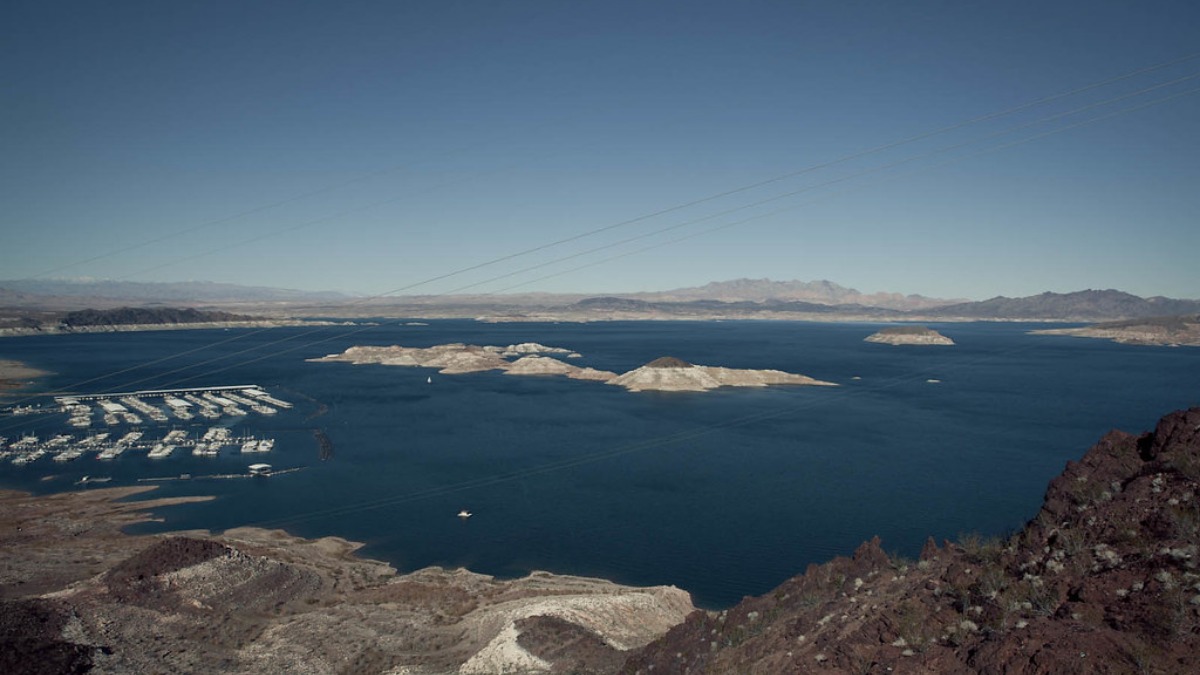

Lake Mead, America’s largest reservoir, has dropped six feet in just the past few weeks. As of early April, it sits at about 35 percent capacity, only 20 feet above its all-time low. Boater Ron Klug said he was “shocked” by “how low the water was” when he visited. Millions of people and large farming areas depend on this reservoir, making the decline a serious concern.
Federal projections released last month suggest Lake Mead could hit record-low water levels by November 2027, reaching approximately 1,032 feet; about 8 feet lower than the previous record set in 2022. Bronson Mack, an outreach manager for the Southern Nevada Water Authority, said the lake could drop another 16 feet over the next couple of years.
According to The Independent, he also pointed to the “very low snowpack” this past winter as a key reason for the current dry conditions, since most of Lake Mead’s water comes from melting snow. The root of the problem lies in the Rocky Mountains, where hydrologists recorded Colorado’s driest winter of snow moisture on record.
The water crisis is straining farmers, cities, and interstate agreements all at once
Maureen Gutsch, a hydrologist with the U.S. Department of Agriculture’s Natural Resources Conservation Service, described the situation as “slightly depressing.” She found that mountain snow peaked a full month early and carried only half the average moisture, before an early spring with record-breaking heat melted what little remained.
Ranchers across the region are already feeling the pressure. Philip Anderson, a lifelong rancher in Colorado’s North Park valley, said he’s “never seen it so warm so early and no snow all winter long.” His pastures are bare, several stock ponds are dry, and the ditch that usually carries water to his property has run out. He had to sell his herd in 2002 after a similar drought and is wondering if he’ll face the same tough choices again.
On the Yampa River, rancher Jo Stanko is watering her meadow earlier than she has in her 50 years of ranching and is already planning to cut hay before June. She said, “Hay’s always a good investment, you know, because it might be really expensive.” She is even considering buying hay soon to feed her 70 cows.
While Southern Nevada’s water supply is currently secure, Mack stated, “We are drawing water from the deepest part of the lake. Our pumping station can pump to the deepest elevations.” Rising water temperatures are creating new problems.
Water treatment systems in the region were built around cold water. Todd Tietjen, the regional water quality manager for the Southern Nevada Water Authority, explained that they “really rely on the cold water being present for our treatment process,” adding that their “buildings on site are cooled by this water.” Warmer water could disrupt those systems.
Tietjen also warned about the Hoover Dam, saying “most of the turbines are cooled by Lake Mead water, so they run into problems if they have hot water, and if we lose power at Glen Canyon and Hoover Dam, that’s a big problem for the West.”
On top of that, a harmful algal bloom was reported last month in Government Wash, part of the Lake Mead National Recreation Area. The National Park Service warned that it “may contain toxins and is unsafe for swimming or contact,” and advised that “children and pets are at higher risk if contaminated water is swallowed.”
Cities are responding with restrictions. Salt Lake City announced a voluntary 10 percent daily cut in water use, while larger users will be capped at 200,000 gallons per day. Denver Water approved lawn-watering limits aimed at a 20 percent reduction.
Nathan Elder, water supply manager for Denver Water, said they are “7 to 8 feet of snow short of where we need to be,” adding, “It would take a tremendous amount of snow to recover at this point, so it’s time to turn our attention to preserving what we have.”
The water crisis is unfolding at a time when major national celebrations are drawing political scrutiny, with some questioning the government’s priorities amid pressing domestic challenges. Meanwhile, negotiations between Upper and Lower Basin states over new Colorado River shortage rules have stalled, with current rules set to expire in September.
According to ABC News, Arizona’s Governor Katie Hobbs raised concern that a federal plan would place the burden “completely on Arizona’s back.” Colorado’s negotiator Becky Mitchell countered that Upper Basin states already use less than their entitled share, stating, “When there is less, we use less. This is not voluntary and no one gets paid as a result.”
With deadlines missed, both sides are now hiring more lawyers, suggesting the dispute could head to court. The standoff reflects a broader pattern of tension between federal projections and ground-level realities, similar to the gap between what military leaders told Congress and what officials publicly stated about national resources.



Published: Apr 11, 2026 11:15 am