



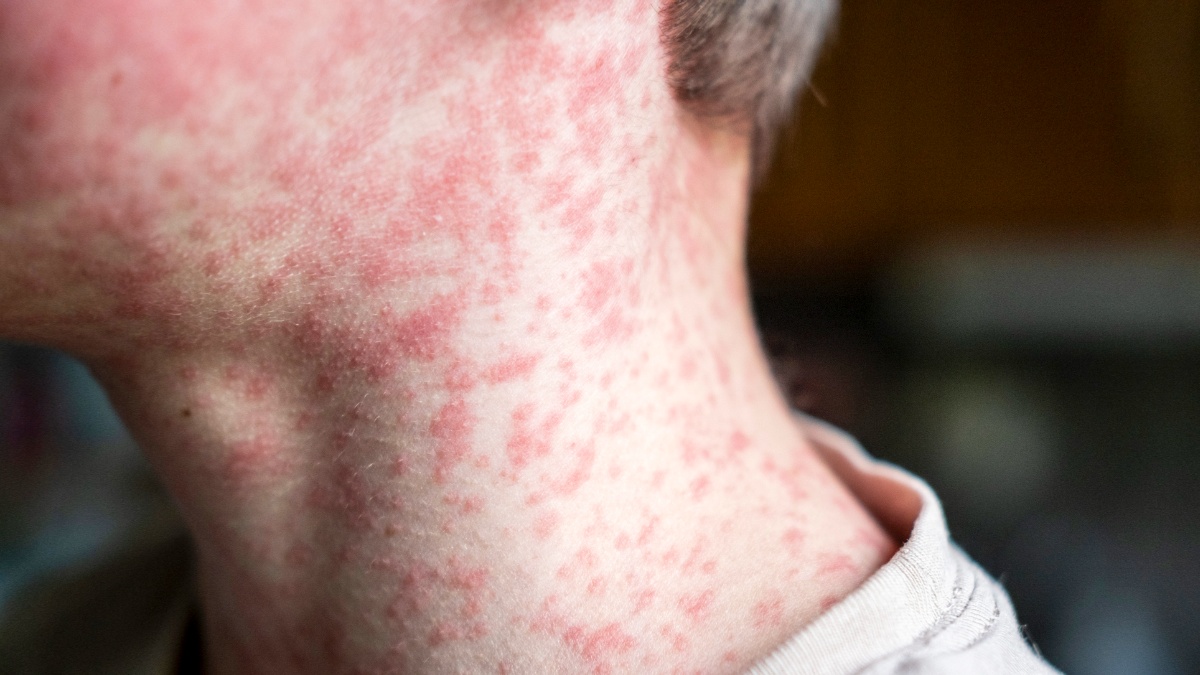

South Carolina is facing a rapidly escalating measles outbreak, with health officials confirming 124 new cases reported. As highlighted by ABC News, the increase brings the state’s total case count to 434 as of now.
More than 400 people are currently in quarantine as the state continues to manage the outbreak, which began in early October. Most reported cases have been concentrated in Spartanburg County, near the North Carolina border, as the region grapples with this serious health crisis. This surge is part of a broader pattern of fast-moving developments in national news, much like when a U.S. service member raised concerns about the legality of military operations after recent boat strikes.
The outbreak in South Carolina reflects a broader national resurgence of measles that health officials say is becoming increasingly difficult to contain. Federal data shows the disease is spreading at levels not seen in decades.
This outbreak highlights a troubling national trend
Nationally, the United States recorded 2,144 measles cases across 44 states last year, the highest total since 1992. Nearly 50 outbreaks were reported nationwide in 2025, a sharp increase from 16 outbreaks in 2024 and just four in 2023, with close to 90% of cases linked to cluster outbreaks.
The trend has continued into 2026, with Georgia, Oregon, and Virginia already reporting their first measles cases of the year. Health officials say the growing number of outbreaks underscores how quickly the virus can spread in under-vaccinated communities. At the same time, attention to evolving news extends beyond health, including how Microsoft rushed to patch a critical security vulnerability affecting millions of devices in a significant tech update.
Measles-related deaths were also reported last year, marking the first time in a decade the disease has resulted in fatalities in the United States. The deaths included two unvaccinated school-aged children in Texas and one unvaccinated adult in New Mexico.
The Centers for Disease Control and Prevention continues to recommend two doses of the measles, mumps, and rubella vaccine, with the first dose given between 12 and 15 months of age and the second between four and six years old. One dose is estimated to be 93% effective, while two doses increase protection to 97%.
Data from 2025 shows that 93% of measles cases occurred in people who were unvaccinated or had unknown vaccination status, while only 4% of cases were among those who had received both recommended doses. Health officials say declining vaccination rates, particularly among kindergarten-age children, are contributing to the resurgence.
During the 2024–2025 school year, MMR vaccination coverage among kindergartners fell to 92.5%, down from 95.2% in the 2019–2020 school year, a decline officials warn could fuel further outbreaks.







Published: Jan 14, 2026 10:15 pm