



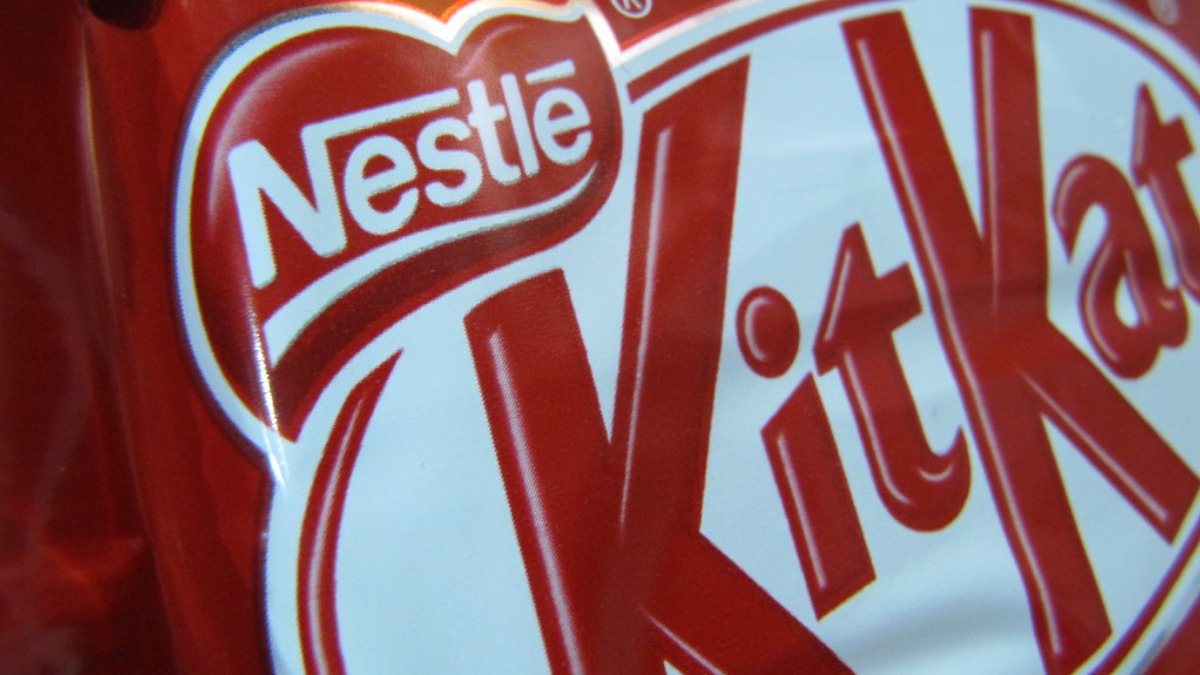

In March, thieves made off with 413,793 KitKat bars from a truck in Europe, amounting to more than 12 tons of stolen chocolate. The sheer scale of the theft quickly turned what could have been a quiet cargo incident into a widely shared story across social platforms. As detailed by Dexerto, Nestlé responded by launching the Stolen KitKat Tracker, a microsite allowing consumers to enter batch codes from their KitKat bars to check whether their treat was part of the missing shipment.
The tracker website features a red-washed design, guiding users on where to find the batch number on their packaging and providing a text box for entry. If a batch code does not match the stolen stock, the site prompts users to keep searching and share the page. If a match is found, Nestlé asks users not to attempt to locate or handle any stolen goods themselves, instead prompting them to upload a photo for verification and provide contact details so the case can be escalated to security and local law enforcement.
The real moment that broke the internet came when KitKat trucks began appearing with full security convoys. Images and videos of trucks flanked by black SUVs surfaced in locations including downtown Toronto, and a job listing seeking professional security guards experienced in protecting high-value goods had also emerged, adding to the speculation.
The convoy clips went viral before anyone confirmed whether it was real or staged
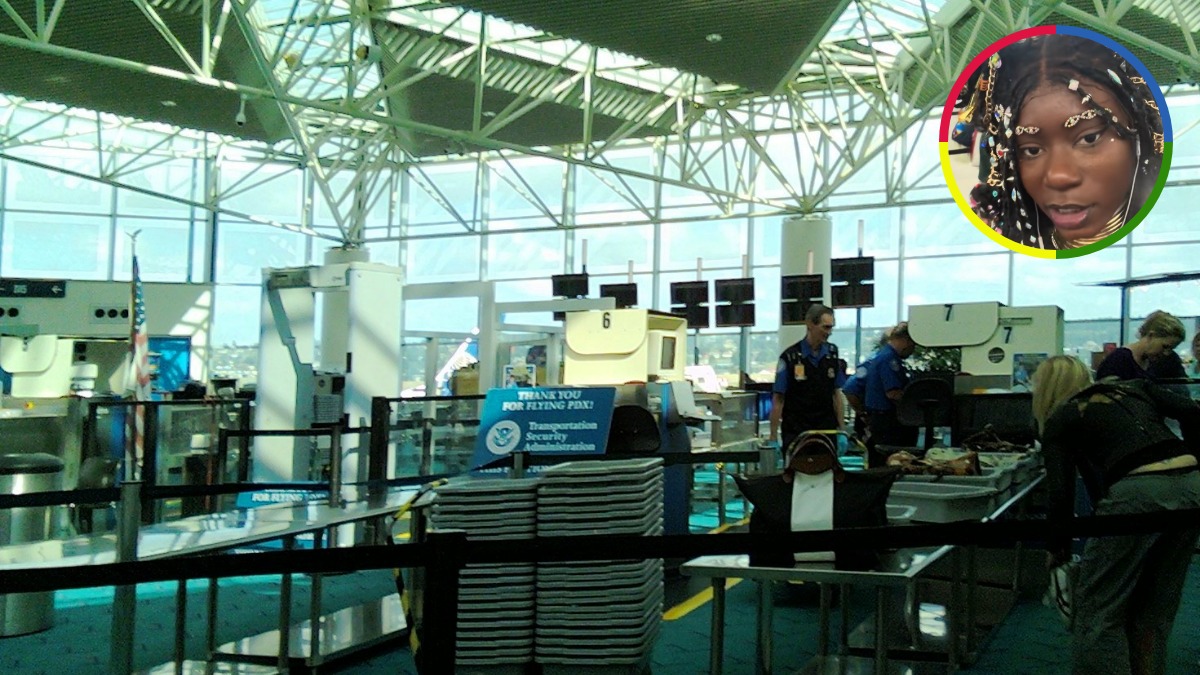
An Instagram clip from creator Shawn Molko, showing a convoy surrounding a KitKat truck, spread quickly online. He joked about the “presidential-level protection,” adding that either the company did not want any more break-ins or they had Beyonce in the truck. On TikTok, a similar clip racked up hundreds of thousands of views, with users debating whether it was a genuine security measure or an elaborate stunt. The convoy footage drew the kind of online engagement that most brands spend considerable sums trying to manufacture, amid a broader wave of brand-driven viral moments this year, including a TikToker whose elaborate jewelry sparked its own security debate at an airport.
Some viewers were quick to identify the marketing angle. One commenter wrote that they were convinced it was a media stunt, while another suggested the marketing team deserved a significant raise. KitKat eventually confirmed the convoys were part of a planned campaign. The agency Courage crafted the campaign, designed to lean into the viral heist story and turn it into a humorous, memorable moment.
Joel Holtby, the founder of Courage, explained that rather than relying on heavy messaging, the campaign tapped into a distinctly Canadian sensibility. He noted that no explanation was needed beyond a KitKat delivery truck fully escorted as if it were high-value cargo.
While the campaign drew widespread attention, Nestlé also used the moment to flag a broader issue. The company stated that cargo theft is an escalating problem for businesses of all sizes, with increasingly sophisticated schemes being deployed, and said it went public with its experience to raise awareness of the trend. The issue of targeted property crimes drawing public attention is not isolated to the food industry; in one recent case, an Indianapolis councilman’s home was shot at following a controversial data center vote, underscoring how commercially contentious decisions can provoke extreme responses.
The 12 tons of stolen KitKats remain unaccounted for, and Nestlé’s efforts to track down the missing shipment are ongoing.

Published: Apr 8, 2026 05:00 am