



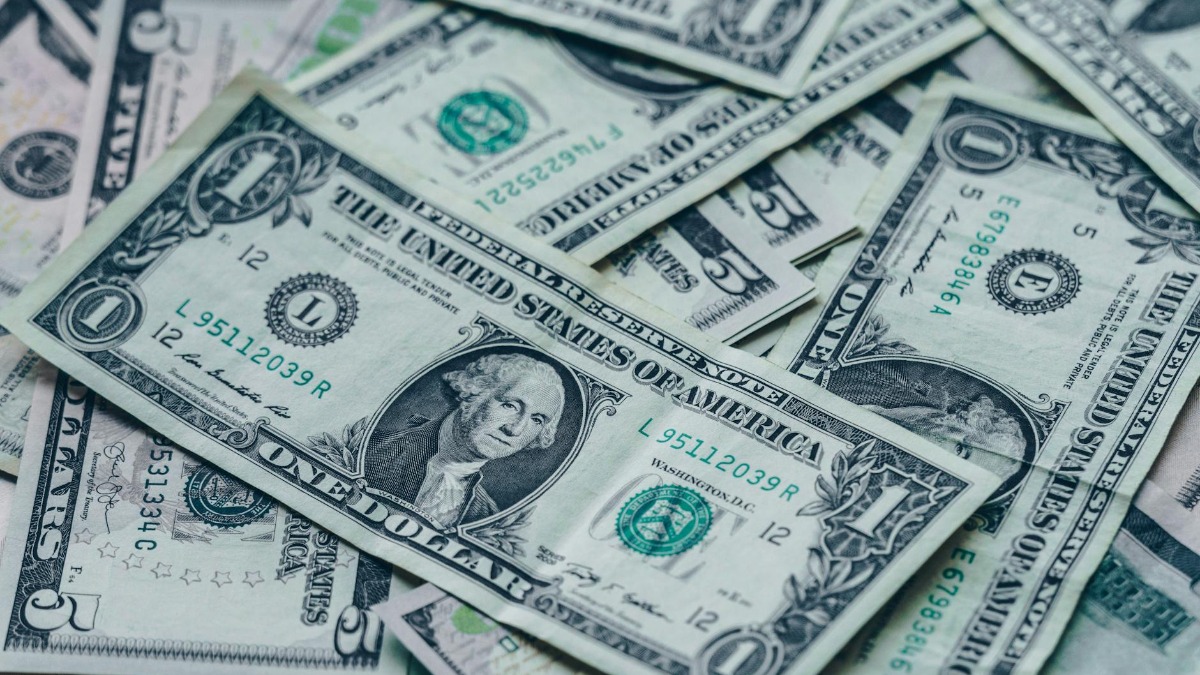

A small group of billionaires is pouring massive sums of money into U.S. elections, and the political influence tied to those donations is becoming increasingly visible. In 2024 alone, ultra-wealthy donors accounted for roughly 19 percent of all reported federal campaign contributions.
As reported by The New York Times, that spending is helping shape races at both the federal and local level. The money is not only affecting who wins office but also what policies are advanced afterward.
The surge in billionaire spending traces back largely to the 2010 Supreme Court decision that removed many campaign finance restrictions. Since then, wealthy donors have increasingly used political action committees and other channels to inject massive sums into elections.
Billionaire spending increasingly shaping elections and policy
The impact of that spending can be seen across multiple policy areas, including tax law, artificial intelligence regulation, education policy, and abortion legislation. The wider political climate has also been shaped by tensions in Washington, including the Trump midterms ultimatum.
One example highlighted in the report involves Senator Tim Sheehy of Montana. Before entering politics, Sheehy ran an aerial firefighting company that struggled to secure customers and financing for aircraft purchases.
Billionaire Stephen Schwarzman, chairman of Blackstone Inc., helped steer a $150 million investment from his firm into the business. The investment nearly doubled in value for Blackstone, while Sheehy reportedly received multimillion-dollar bonuses that helped finance his 2024 Republican Senate campaign.
Schwarzman also hosted a fundraiser and donated $8 million to a political action committee supporting Sheehy. Analysis cited in the report found that at least 64 billionaires and 37 of their family members contributed to Sheehy’s campaign through various committees and political groups.
Now in the Senate, Sheehy has supported policies aligned with priorities commonly favored by wealthy donors, including proposals to eliminate the federal estate tax. The report describes this as one example of how major political donations can shape policy priorities after elections.
The influence of billionaire donors also extends to state-level races. In Pennsylvania, investor Jeff Yass contributed more than $100 million to federal campaigns in 2024 and heavily backed Republican Dave Sunday in the state’s attorney general race.
Through various committees, Yass helped provide nearly 90 percent of the $14 million spent supporting Sunday’s campaign. Sunday ultimately won the race and now oversees an office that has been investigating TikTok, a company in which Yass has previously invested.
In Denver, LinkedIn co-founder Reid Hoffman spent more than $2 million through a super PAC supporting Mike Johnston in the city’s 2023 mayoral election. The broader influence of wealthy donors has unfolded amid other national political controversies, including the Zorro Ranch protests.
After Johnston won the election, he contacted Hoffman about hosting an artificial intelligence convention in Denver. Hoffman later appeared with the mayor at an event criticizing a Colorado law aimed at preventing algorithmic discrimination.
Billionaire spending has also played a role in state policy battles. In Nevada, hotel magnate Robert Bigelow contributed $12.3 million to committees backing Republican Joe Lombardo’s successful 2022 campaign for governor.
After Lombardo took office, he vetoed legislation passed by Democratic lawmakers that sought to expand tenant protections and limit evictions. Bigelow had previously supported candidates who opposed those measures.
Ballot initiatives have also attracted billionaire funding. In Nebraska, the Ricketts family spent nearly $10 million opposing a ballot measure that would have established abortion rights protections in the state.
While both political parties have historically benefited from wealthy donors, the 2024 election cycle saw billionaire families donate roughly five times more money to Republicans than to Democrats. Critics say the growing scale of donations is reshaping how elections are fought and how policy decisions are influenced after campaigns end.






Published: Mar 10, 2026 01:15 pm