



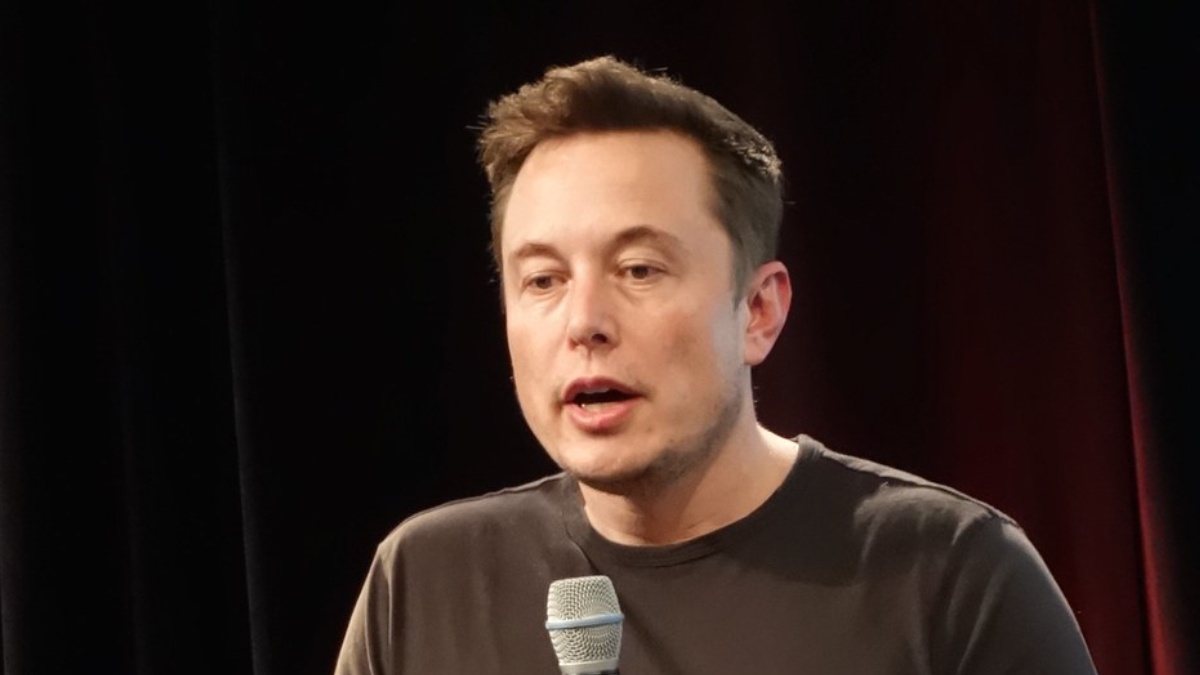

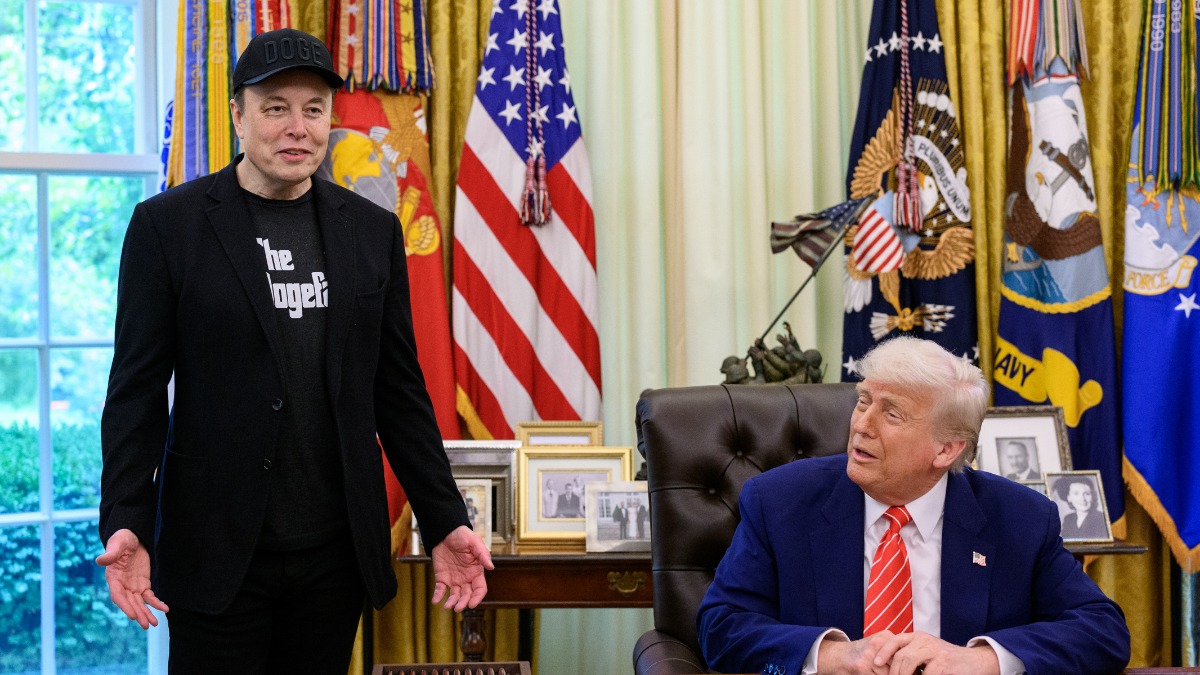
A federal judge has allowed a lawsuit against Elon Musk to move forward, targeting his advisory role within President Trump’s administration. US District Judge Tanya Chutkan issued a ruling Monday, tossing out a request from the federal government to dismiss the case. Claims that Musk and other leaders of the Department of Government Efficiency (DOGE) unlawfully assumed an expansive role in the federal government can now play out in court.
The lawsuit, originally filed last March by a group of nonprofit organizations, argues that Musk, while serving as a special government employee, led a team that initiated mass firings and terminated contracts and grants across the federal government. Chutkan specifically noted that the plaintiffs “amply allege that the head of DOGE himself makes decisions and issues directives on matters as weighty as the termination of federal grants, contracts and workers.”
The nonprofits’ case has since been consolidated with a similar lawsuit brought by 14 states, making it a substantially larger legal challenge. As reported by The Hill, the four main claims allege that DOGE staffers lacked proper legal authority to carry out those actions, that doing so violated the separation of powers, and that Musk violated the Constitution by exercising “the power of a principal officer without having received Senate confirmation.”
Musk’s post-government legal exposure isn’t going away
While Chutkan allowed the core claims to proceed, she sided with the Trump administration on others. Claims related to an alleged violation of separation of powers and the Administrative Procedure Act were dismissed, with the judge finding that the nonprofits had not identified specific agency actions for those particular claims.
Musk’s time in government ended last May when his special government employee status expired. He and President Trump clashed publicly in the period following his departure, though Musk has since re-entered the political arena ahead of the 2026 midterm elections. Amid a separate string of legal disputes, a jury recently found Musk liable in his Twitter takeover case for $2.5 billion.
In a related development, the Trump administration also asked the Supreme Court Monday to block an inquiry into DOGE by the watchdog group Citizens for Responsibility and Ethics in Washington. The move signals a broader effort to limit judicial scrutiny of DOGE’s operations, even as courts have repeatedly declined to simply dismiss challenges to the administration’s legal authority.
Grand juries have similarly rejected several DOJ attempts to indict Democratic lawmakers on politically charged cases brought by the Trump administration. The Supreme Court has not yet responded to the administration’s request.


Published: Mar 24, 2026 08:30 pm