



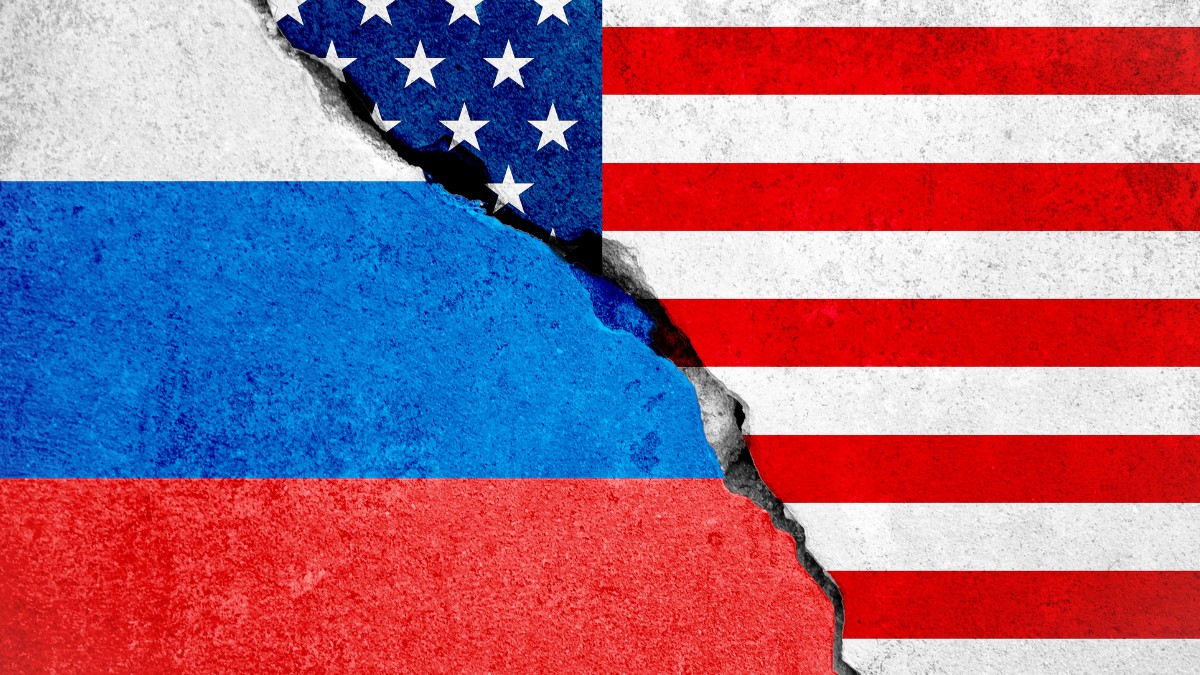

Tensions between the US and Russia have sharply escalated after the US seized a Russian-flagged oil tanker accused of violating Washington’s blockade against Venezuela, following earlier efforts by the US to intercept vessels linked to Caracas as they crossed the Atlantic. The vessel, identified as The Marinera, was reportedly transporting sanctioned oil, prompting an immediate and hostile response from Moscow.
As also reported by UNILAD, Russian officials condemned the seizure as a violation of international law, with lawmaker Andrei Klishas calling it “outright piracy on the high seas” in a Telegram post. He linked the incident to the broader US operation in Venezuela, which included the bombing of Caracas and the detention of President Nicolás Maduro.
The Russian Transport Ministry issued a formal statement citing the 1982 UN Convention on the Law of the Sea, arguing that freedom of navigation applies on the high seas and that no state has the right to use force against vessels registered under another jurisdiction. The ministry said it had lost contact with the ship and demanded the safety and immediate return of the crew, who the US has said it intends to prosecute.
The tanker seizure reflects a widening confrontation
The White House rejected Russia’s claims during the briefing. Press secretary Karoline Leavitt said the tanker was part of a Venezuelan “shadow fleet” moving sanctioned oil and had been deemed stateless after flying a false flag. She confirmed the crew would face prosecution, citing a judicial seizure order authorizing the action.
US officials also announced the seizure of a second vessel, the M/T Sophia, describing it as a “stateless, sanctioned dark fleet motor tanker” engaged in illicit activity in the Caribbean Sea. The move signaled that enforcement actions tied to the Venezuela campaign are continuing.
The tanker seizures stem from the broader US intervention in Venezuela, which escalated after American forces bombed Caracas and detained President Maduro. The operation followed President Trump’s declaration that the US would oversee Venezuela’s transition, a move that drew sharp warnings from Beijing and other international actors.
Maduro is currently being held in New York City and faces charges including conspiracy to commit narco-terrorism, cocaine importation conspiracy, and weapons-related offenses involving machine guns and destructive devices. The case is central to the justification Washington has offered for its actions in Venezuela.
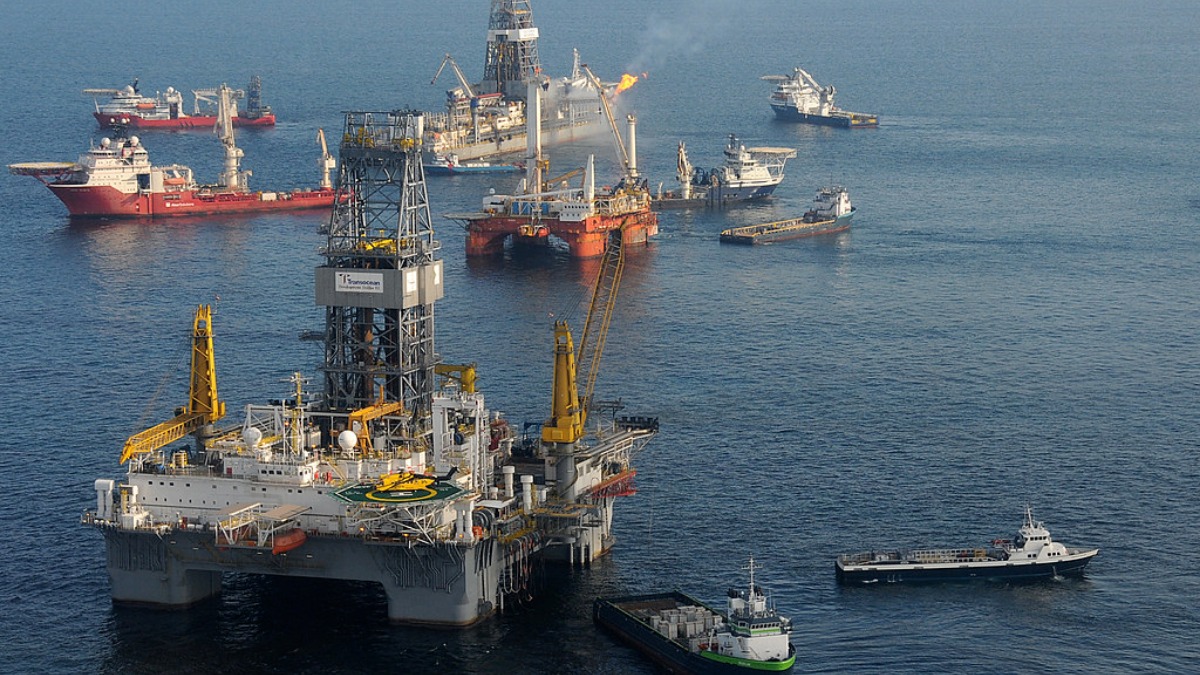
Economic stakes are a major factor in the standoff, as Venezuela holds the world’s largest proven oil reserves. Critics argue the intervention is driven by US interest in controlling those resources rather than humanitarian or legal concerns.
Senator Marco Rubio outlined the US plan to sell Venezuelan oil on the open market at standard rates, with proceeds controlled by the US government. He said the funds would be managed to benefit the Venezuelan people rather than the former regime or corruption.
The future of Venezuela’s government remains uncertain, with President Trump reportedly distancing himself from opposition leader María Corina Machado. Rubio emphasized that interim authorities remain under US control, stating they cannot move oil without US approval, underscoring Washington’s leverage over the country’s political and economic transition.





Published: Jan 9, 2026 06:00 am