



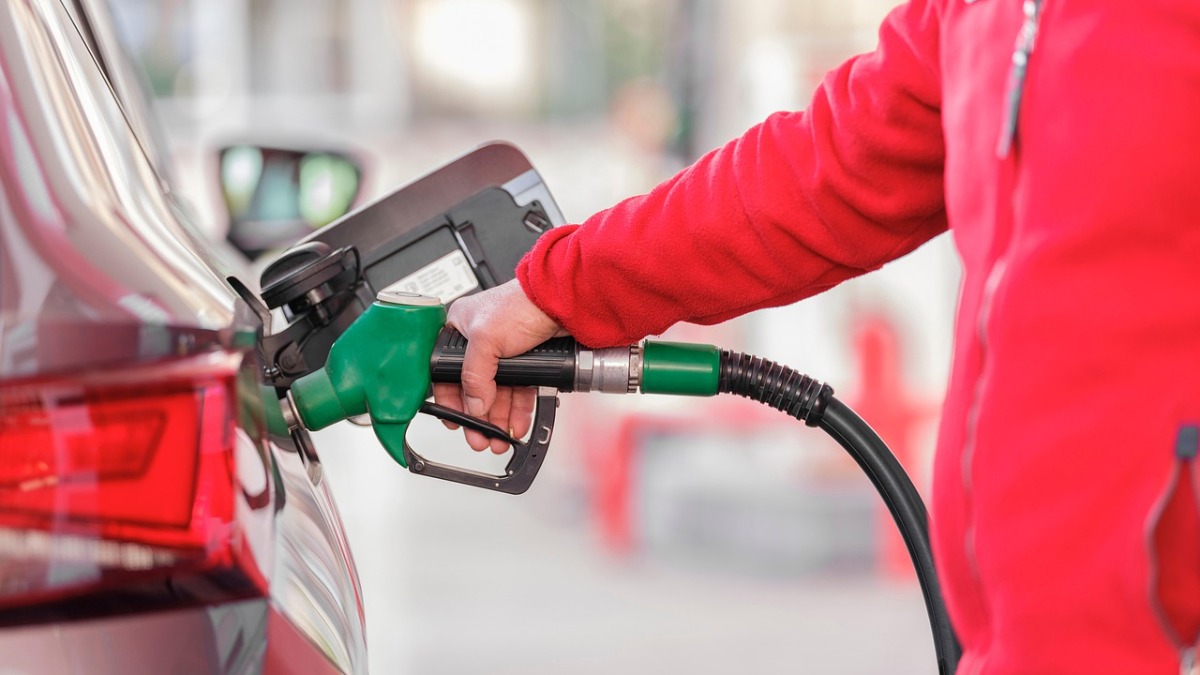

Sri Lanka just declared every Wednesday a public holiday for government institutions, schools, and universities in a desperate bid to save fuel, as reported by the BBC. This unprecedented move comes as the island nation, like many others across Asia, grapples with potential energy shortages stemming from the ongoing conflict between the US, Israel, and Iran. The war has seriously choked off the Strait of Hormuz, a critical waterway responsible for moving nearly 90% of Asia’s oil and gas imports last year.
President Anura Kumara Dissanayake stated at an emergency meeting, “We must prepare for the worst, but hope for the best.” The new four-day work week won’t hit essential services like health and immigration. Officials deliberately picked Wednesday instead of Friday as the additional off day to avoid a three-day weekend closure for government offices.
On top of that, motorists now need to register for a National Fuel Pass, which rations how much fuel they can actually buy. Private cars are capped at 15 liters, while motorcycles get a measly five liters. This rationing system actually isn’t new; it was first rolled out in 2022 during a major economic crisis when the country simply ran out of foreign reserves to import essentials.
Across Asia, governments are rolling out all sorts of austerity measures
Thailand’s government is urging folks to ditch their suits for short-sleeved shirts, hoping to cut down on air conditioning use. In Myanmar, private vehicles are stuck with an alternate-day driving rule based on their license plate numbers, which must be a huge headache for daily commuters. Bangladesh has even moved up Ramadan holidays for universities and implemented planned blackouts nationwide to conserve energy.
Over in the Philippines, some government offices are making staff work from home at least one day a week, and President Ferdinand Marcos Jr has banned non-essential travel in the public sector. He’s also trying to help out, announcing cash assistance of 3,000-5,000 pesos ($50-$84) for tricycle drivers, farmers, and fishermen to help them cope with soaring oil prices.
Vietnam is also strongly encouraging its citizens to stay home more to save fuel. The government is pushing people to “ride bicycles, carpool, use public transport,” and “restrict personal vehicle use when unnecessary.”
All these measures are a direct response to oil prices skyrocketing. They’ve been hovering around $100 a barrel since the US and Israel started bombarding Iran late last month.




Published: Mar 17, 2026 01:00 pm