



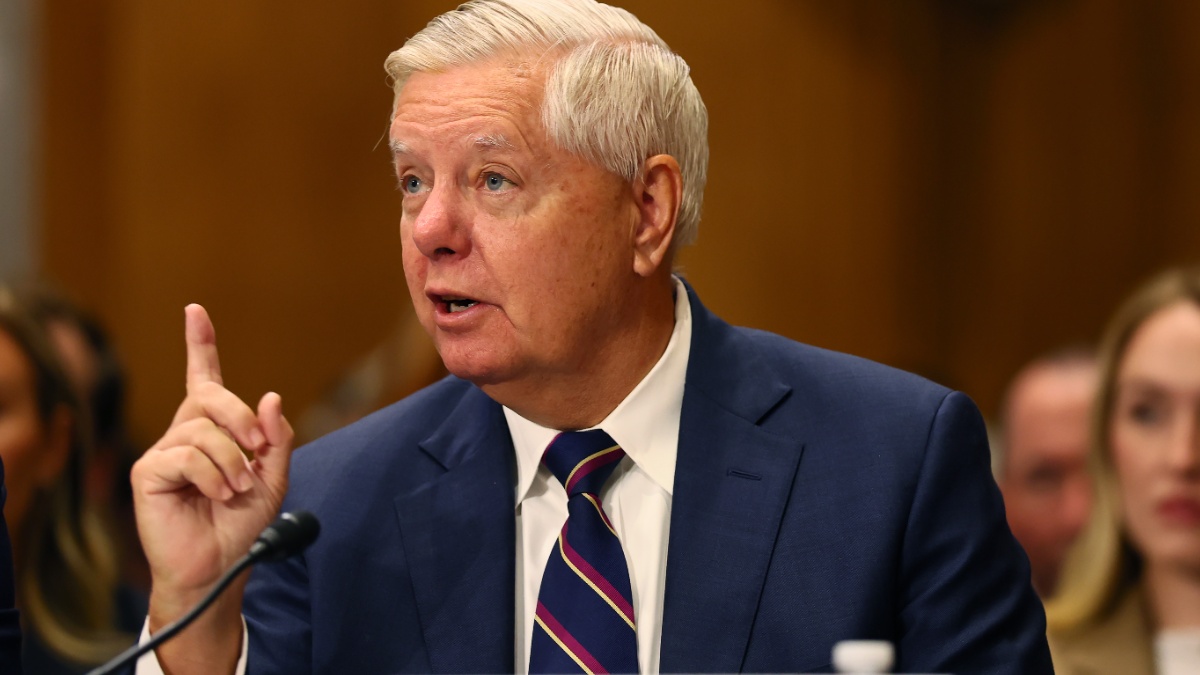

Senator Lindsey Graham is making a huge, bold prediction, saying that the communist regime in Cuba is next on the chopping block after the U.S. successfully captured Venezuelan leader Nicolás Maduro, as per The Hill. This could be a massive geopolitical shift, and honestly, the dominoes are already lined up to fall, according to what Graham suggests.
The South Carolina Senator didn’t mince words, stating directly that there’s “no way that the communist dictatorship in Cuba survives after the takedown of Maduro. It is over, it’s just a matter of time.” The mechanism he’s talking about is crystal clear: Cuba has been a close ally of Venezuela and relies heavily on oil imports from that South American nation to keep its lights on.
That critical lifeline was severed immediately following Maduro’s capture. President Trump announced that American oil companies will now take control of Venezuela’s petroleum reserves, which are the largest in the world. This move starves the Cuban regime of its primary resource. President Trump cemented that feeling, telling reporters that the Cuban regime is already “ready to fall.”
The Caribbean island nation faces a historic moment
Secretary of State Marco Rubio also weighed in on the situation. This is a personal matter for him, as his parents left Cuba for the U.S. during the reign of the dictator Fulgencio Batista. Rubio said the Cuban regime should “be concerned” in the wake of Maduro’s capture, noting that the situation is “very similar in the sense that we want to help the people in Cuba, but we want to also help the people who are forced out of Cuba and living in this country.”
It’s definitely a humanitarian concern, and you can’t forget the sheer number of people involved. It’s stunning to realize that roughly 2.4 million people of Cuban descent live right here in the U.S., with over 60 percent of them calling Florida home. This isn’t just foreign policy; it’s a huge domestic issue that impacts millions of American families directly.
Cuba has been under communist rule for more than six decades, starting with former leader Fidel Castro. As of today, the government continues to repress and punish virtually all forms of dissent and public criticism, all while the country faces a severe economic crisis.
When current Cuban President Miguel Díaz-Canel succeeded Raúl Castro in 2021, things didn’t get better for the citizens. Months later, the largest anti-government protests in nearly three decades erupted, fueled by devastating shortages of food and medicine during the pandemic. It’s clear that the Cuban people are already at a breaking point, and losing their oil supply is going to make life substantially harder for the regime trying to control them.
Unsurprisingly, much like many of the world leaders, Díaz-Canel condemned the operation to capture Maduro and his wife, Cilia Flores, calling the event a “criminal act.” He went on social media to demand their release and called for the international community to not “allow an aggression of this nature and gravity against a Member State of the [United Nations] to go unpunished.” Notably, 32 Cuban officers were killed in the operation in Caracas.
It sounds like they’re definitely feeling the pressure, and honestly, they should be. When you lose your main lifeline and the U.S. President is actively talking about your downfall, things are going to get interesting quickly. If Graham is right, we’re about to witness a massive change in the Caribbean.


Published: Jan 6, 2026 10:30 am