



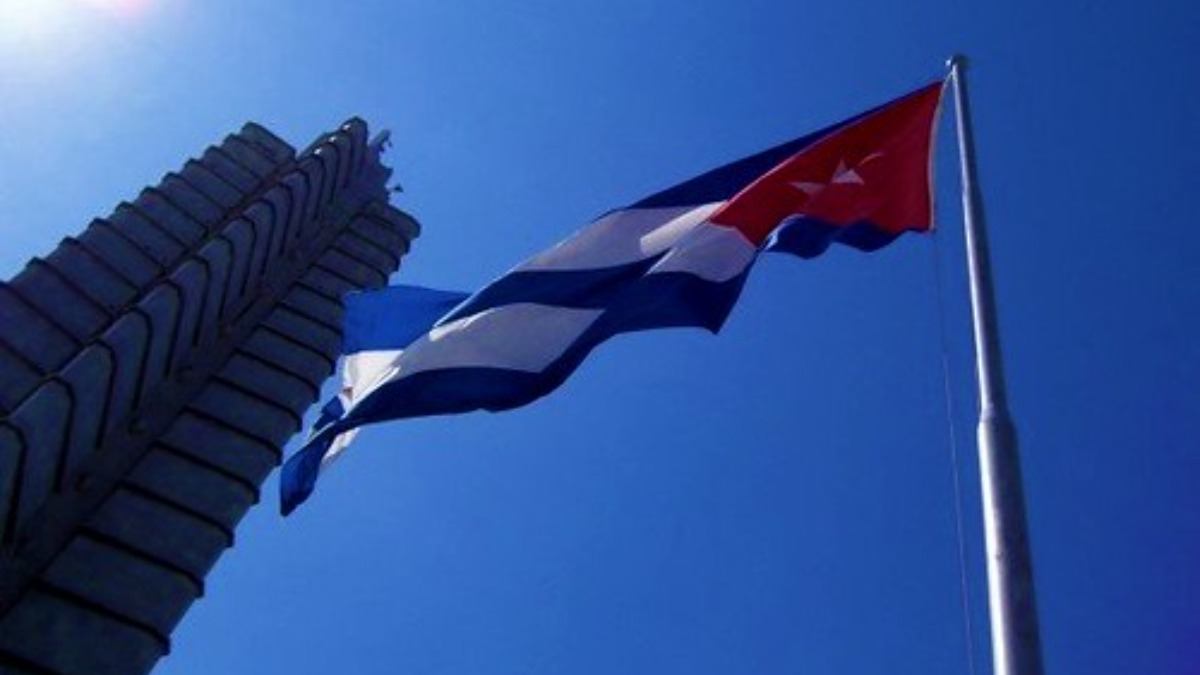

Cuba has opened the door for Cuban Americans and other exiles to invest in and own businesses on the island. As reported by Al Jazeera, the offer marks a notable shift toward a community that has often backed tough sanctions on the Communist government.
The move comes as Cuba tries to revive an economy hit by blackouts and shortages of fuel, food, and medicine. It also follows the government’s acknowledgment that talks with the United States had begun, while officials in President Donald Trump’s administration have privately indicated they would seek an economic opening as part of any bilateral agreement.
Cuban Deputy Prime Minister Oscar Perez-Oliva Fraga, who also leads the Ministry of Foreign Trade and Foreign Investment, said on state television that “there are no limitations.” He said Cubans living abroad could participate fully in different areas of the country’s development, from small ventures to larger projects.
The opening is significant, but the main obstacle remains
Cuba is especially interested in drawing investment into agriculture, where Vietnamese companies have already been involved in rice production even though the state still holds title to the land. The policy also reflects a broader effort to remove barriers for U.S. businesses and other foreign investors, amid NATO Strait of Hormuz pressure that has added to wider regional uncertainty.
But U.S. law still blocks trade and investment under the long-running embargo, leaving a major barrier in place even as Cuba invites outside capital. That means the island can offer ownership opportunities while potential investors in the United States remain restricted by federal law.
The issue has long been politically sensitive inside Cuba because the government has often viewed parts of the exile community with suspicion. Many exiles have historically supported the embargo, and Cubans living abroad were excluded even after residents on the island were allowed to open and operate private businesses starting in 2021.
Economist Paolo Spadoni of Augusta University described the shift as pragmatic, while arguing Cuba should have taken the step years ago on its own terms rather than under what he called maximum pressure from the United States. He said the change could still become a catalyst for deeper U.S.-Cuba economic ties, even with major obstacles still in place.
More than 1 million Cubans have left the island since 2021 in the largest exodus since Fidel Castro’s 1959 revolution. That gives the policy added weight because it opens a potential source of capital that had largely remained untapped.
Trump has continued to pressure Cuba by cutting off Venezuelan oil shipments to the island and threatening tariffs on countries that sell oil to Cuba. On Monday, he escalated that rhetoric further, with treason charge threats surfacing elsewhere in his broader messaging as he said he expected to have the “honor” of “taking Cuba in some form” and that “I can do anything I want” with the neighboring country.






Published: Mar 17, 2026 06:00 am