



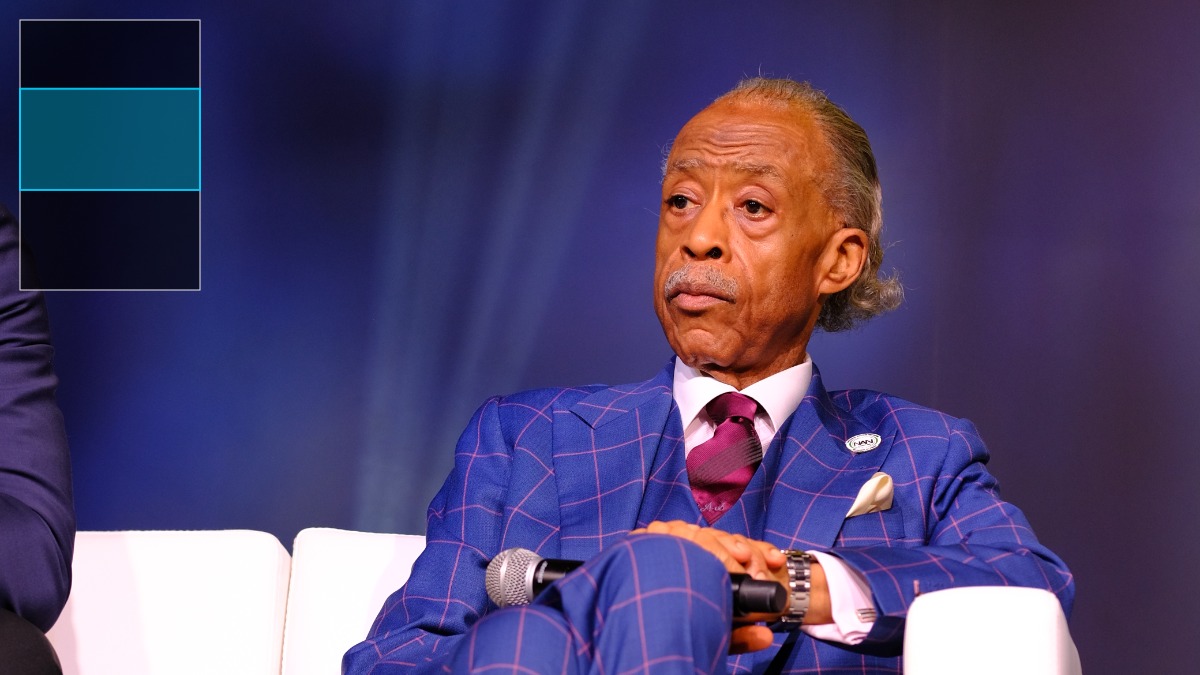

Reverend Al Sharpton is speaking out against the upcoming 250th anniversary celebration of the United States, arguing that the milestone is not a cause for celebration for Black people, Fox News reported. During the National Action Network’s 35th Anniversary National Convention, Sharpton made his position clear to those in attendance.
Sharpton framed the issue around the historical reality of slavery, noting that the country plans to celebrate the signing of the Declaration of Independence in 1776, a time when Black people were held in slavery. He pointed out that emancipation did not occur until 1863, nearly a century later. Because of this, he questioned why there is an expectation for Black citizens to participate in the festivities.
Sharpton remarked that it seems crazy to expect him to wear a birthday hat at a party that does not include him. He even suggested the possibility of holding a separate rally in Philadelphia to address these concerns.
Al Sharpton’s perspective that highlights the deep fractures in how different groups view the history of the country as the nation approaches this major milestone
The conversation around the 250th anniversary is becoming increasingly complex as the country moves closer to 2026. While some organizations are attempting to bridge these gaps, others remain deeply skeptical about the feasibility of a unified national celebration.
The United States Semiquincentennial Commission was established in 2016 by President Barack Obama to observe the anniversary, and it later received amendments in 2020 to allow for congressional funding and adjustments to its membership. Officials like Dan DiLella, who chairs the commission, and Keri Potts, the vice president of communications at America250, have stated that their goal is to create the most inclusive commemoration in American history.
Potts explained that the strategy involves staying grounded in the events of 1776 while acknowledging that there is history both before and after that date that needs to be told. This inclusive approach includes a focus on slavery, the experiences of Native Americans, and the history of women’s rights.
Plans are already in motion to feature interactive art installations and emphasize cities like Charleston, South Carolina, which served as a major center for the slave trade. DiLella noted that history is what it is, and he believes it has to be told honestly. Despite this, there is a clear divide in how these efforts are received by the public.
Sharpton expressed significant concern that younger generations are not being taught the full scope of Black history in America. He specifically linked this to efforts by people like Governor Ron DeSantis and others to remove what they label as woke aspects from educational curriculums.
Sharpton pointed to the 2023 demand by the DeSantis administration for revisions to an Advanced Placement African American studies course as an example of an attempt to erase Black history. He argued that when White students hear discussions about reparations or affirmative action, they perceive these topics as attacks because they lack knowledge regarding the actions of their ancestors.
Sharpton has maintained a strong stance against the removal of diversity, equity, and inclusion initiatives from both schools and businesses. He even threatened boycotts against companies that have moved to pull back these programs since the start of the second term of President Donald Trump.
The sentiment shared by Sharpton was echoed by Representative Al Green, who also spoke at the convention. Green advocated for the creation of a Department of Reconciliation to formally address the nation’s history with slavery. He proposed that this department should have a secretary who reports directly to a president, with the specific mandate to reconcile the differences that persist in the country.
Green was explicit about what this process would entail for him, stating that he is unapologetically Black and that reconciliation would include reparations for the 240 years of free labor that many still benefit from today. He emphasized that Black people were locked out of opportunities while others were benefiting from that labor.








Published: Apr 10, 2026 04:15 pm