



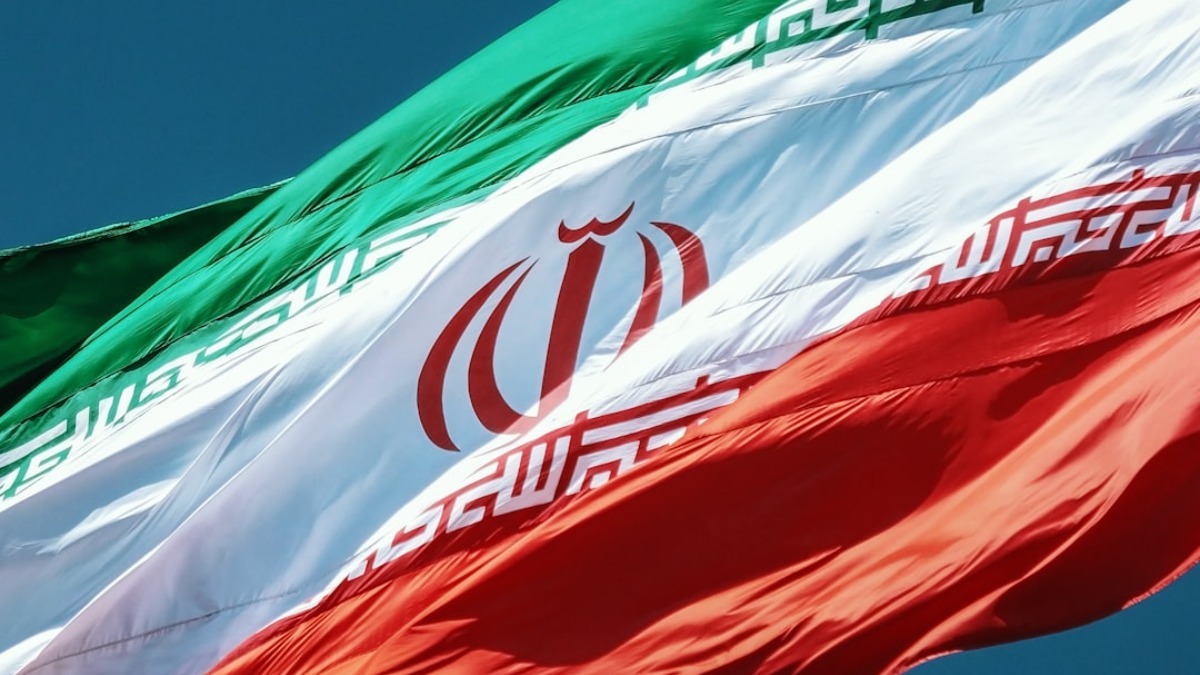

The United States has temporarily eased sanctions on Iranian-linked ships carrying Russian oil as global energy prices surge. As detailed by The New York Times, the move allows vessels tied to Iran’s regime to help transport oil despite long-standing restrictions.
The decision was included in a broader sanctions adjustment targeting Russia, with a provision that permits certain ships and companies connected to Iran to sell and move Russian oil. These vessels are often part of a so-called ghost fleet that has historically operated under sanctions tied to both Iran and Russia.
The shift follows a sharp spike in oil prices, which have risen nearly 40 percent since U.S.-Israeli attacks on Iran disrupted flows from the Persian Gulf. That disruption has strained global supply and pushed U.S. officials toward measures that would have previously been off-limits.
This policy shift underscores mounting pressure on energy markets
One tanker benefiting from the waiver is the Myra, which had been sanctioned in July for its role in a network accused of moving oil illicitly for Iran and Russia. The Justice Department had also recently pursued funds tied to Mohammad Hossein Shamkhani, connected to the same network, underscoring how quickly enforcement priorities have shifted.
The temporary measure effectively creates a 30-day window allowing oil already loaded onto ships to be sold, provided it was onboard before the policy change. Treasury Secretary Scott Bessent said the goal is to stabilize global markets, with Strait of Hormuz closure risks keeping supply routes under pressure.
The waiver extends beyond ships to include traders, brokers, and insurers involved in the transactions, opening the door for profits tied to already-purchased cargo. Analysts note that oil bought at pre-conflict prices can now be resold at significantly higher rates without legal risk, highlighting how the policy benefits intermediaries.
Data from maritime tracking firms shows the waiver applies to more than 370 tankers carrying up to 215 million barrels of Russian oil, with nearly half already under sanctions from the United States, Britain, or the European Union. The scale of the exemption reflects the urgency of the current crisis, with Kharg Island strike threats adding more uncertainty to already disrupted global oil flows.
Despite the temporary relief measure, oil prices have remained above $100 per barrel, a steep increase from pre-conflict levels near $72.









Published: Mar 17, 2026 05:30 am