



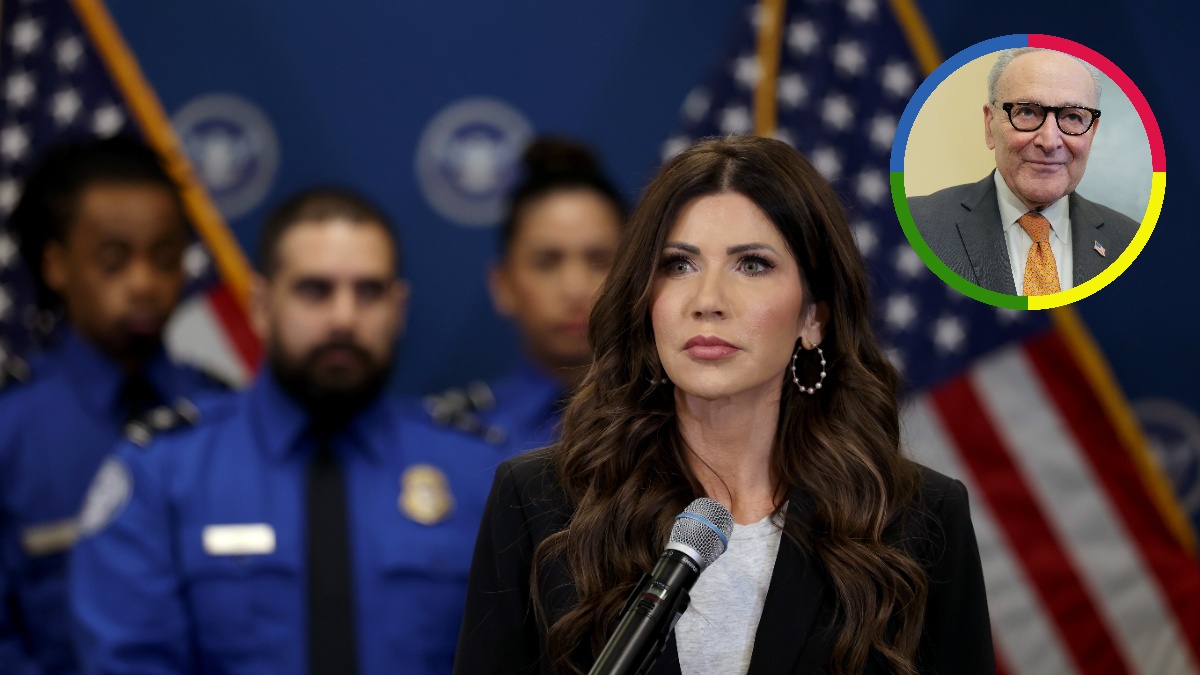

Department of Homeland Security Secretary Kristi Noem just announced that federal immigration officers working in Minneapolis will immediately start using body cameras while they are out in the field, as reported by The Hill. This move is a major step toward transparency and accountability, and honestly, it’s a feature that should have been standard operating procedure long ago.
Secretary Noem confirmed the decision on X, stating she had consulted with White House border czar Tom Homan, acting Immigration and Customs Enforcement (ICE) Director Todd Lyons, and Customs and Border Protection (CBP) Commissioner Rodney Scott before implementing the change. This action directly addresses one of the key demands made by Senate Democratic Leader Chuck Schumer, who has been pressing for federal law enforcement reform.
The pressure for reform has been intense, especially after a pair of tragic incidents in Minnesota earlier this year. Renee Good was fatally shot by an ICE officer, and Alex Pretti was killed by CBP agents. These fatal shootings sparked outrage and fueled the push from Democrats on Capitol Hill to overhaul federal law enforcement policies, particularly since federal law currently doesn’t mandate that ICE or CBP personnel wear body cameras.
Secretary Noem made it clear that while the program starts in Minneapolis, it’s only the beginning
Noem stated that as funding becomes available, the body camera program will be expanded nationwide. She plans to rapidly acquire and deploy cameras to DHS law enforcement agencies across the entire country. While the body camera implementation is a win for Democrats, it only satisfies one part of the reform agenda. Last Wednesday, Senator Schumer laid out three major demands necessary for Democrats to support the critically needed Homeland Security funding.
Schumer’s other proposals, which the DHS secretary seems unwilling to concede on, involve major changes to how federal immigration officers operate. Specifically, the senator wants to end roving patrols by immigration officers, establish a universal code of conduct regarding the officers’ use of force, tighten the rules governing how officers use warrants when targeting migrants, and prohibit officers from wearing masks.
Schumer believes these are just commonsense changes. He said while unveiling the proposals, “If Republicans refuse to support them, they are choosing chaos over order, plain and simple.” Despite the partisan wrangling over the full slate of reforms, the body camera requirement itself seems to have strong bipartisan support. Multiple Republican lawmakers have backed the requirement for immigration officers. House Speaker Mike Johnson and Senator Ron Johnson are among those who support the move.
This whole debate is unfolding under the shadow of a partial government shutdown that began early Saturday. The Senate voted on Friday to fund five agencies using regular appropriations bills, but they funded DHS only via a two-week continuing resolution. The House is expected to vote on that legislation on Tuesday. If the bill passes the House and is signed into law by President Trump, it would finally bring the partial shutdown to an end.







Published: Feb 3, 2026 09:30 am