



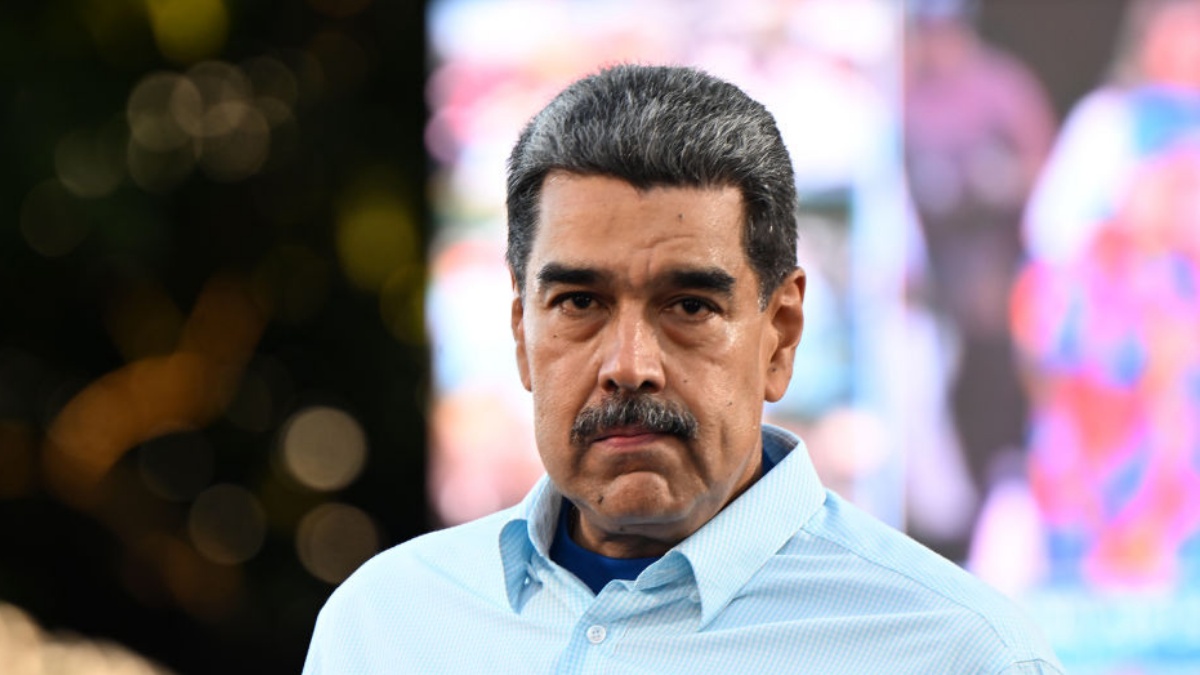

An Argentine federal judge has formally asked the United States to extradite Venezuelan President Nicolás Maduro, expanding international legal pressure well beyond the U.S. drug trafficking case. As reported by the Associated Press, the request centers on alleged crimes against humanity tied to Maduro’s time in power.
The extradition request was issued by Argentine federal judge Sebastián Ramos and focuses on accusations that Venezuelan security forces carried out torture, enforced disappearances, and arbitrary detentions against political opponents and protesters. Argentine courts are pursuing the case under claims that Maduro oversaw or enabled these abuses while serving as president.
The case was initially brought to Argentina in 2023 by Venezuelan victims and human rights organizations, including the Argentine Forum for the Defense of Democracy. The group welcomed the decision as a major step toward accountability, framing the move as a symbolic victory for victims seeking international justice.
Argentina is relying on an unusual but powerful legal principle
Argentina’s request is based on the doctrine of universal jurisdiction, which allows national courts to investigate and prosecute grave international crimes regardless of where they were committed. Under Argentine law, crimes such as genocide, crimes against humanity, and terrorism can be pursued even when neither the victims nor the accused are Argentine citizens.
The country has used this legal framework for years, making its courts a hub for international human rights litigation. Previous cases have examined alleged abuses ranging from military actions against Rohingya Muslims in Myanmar to torture during Spain’s Franco-era dictatorship.
Judge Ramos cited the 1997 extradition treaty between Argentina and the United States in issuing the request, though the process now depends on diplomatic action by Argentina’s foreign ministry. That handoff comes as the Trump administration faces constant scrutiny around high-profile legal questions, including an Oval Office press clash. Any transfer would also require U.S. approval, particularly given existing American charges against Maduro related to narcotics trafficking and conspiracy.
The political backdrop adds another layer of complexity. Argentine President Javier Milei, a close ally of U.S. President Donald Trump, has publicly supported Washington’s hardline stance toward Venezuela, which may influence how aggressively Buenos Aires presses the request. The broader enforcement apparatus in the U.S. has also drawn attention for internal strain, including ICE recruitment bonus issues.
Argentine courts first issued an international arrest warrant for Maduro in 2024, and prosecutors moved forward with the extradition effort after renewed attention on the case earlier this year.





Published: Feb 4, 2026 08:00 pm