



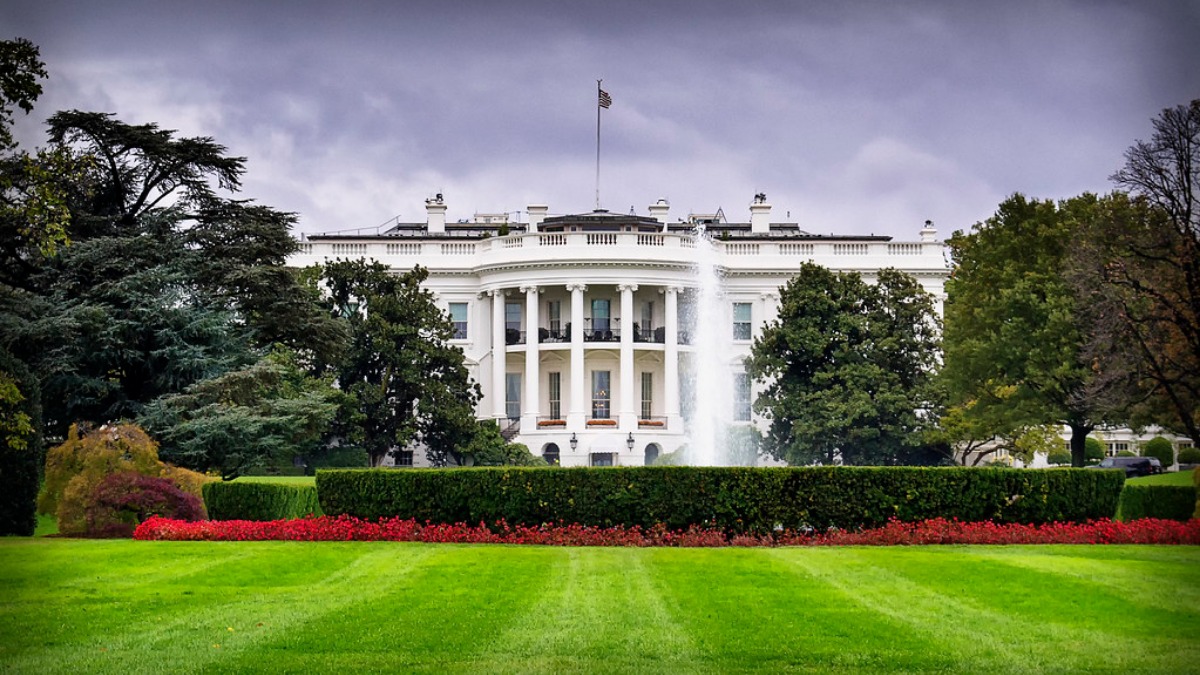

The Trump administration is arguing that a federal judge’s order to halt the $400 million White House ballroom construction is creating a serious security risk for the president. The administration has asked a federal appeals court to pause the ruling.
According to The Guardian, lawyers from the US National Park Service (NPS) filed a motion on Friday, saying the judge’s decision to suspend construction is “threatening grave national-security harms to the White House, the president and his family, and the president’s staff.”
They wrote, “Time is of the essence!” The filing also notes that the construction includes bomb shelters, military installations, and a medical facility, all meant to make it a “heavily fortified” place. US District Judge Richard Leon in Washington had ordered a temporary halt to the construction on Tuesday.
The ballroom battle is unfolding as US-Iran tensions reach a dangerous boiling point
The project involves demolishing parts of the White House’s east wing. Judge Leon concluded that a preservationist group suing to stop the project would likely win their case because, as he put it, “no statute comes close to giving the president the authority he claims to have” unless Congress approves it first. He suspended his order for 14 days, acknowledging the Trump administration would appeal.
This legal fight is happening at the same time that tensions with Iran are rising sharply. According to Al Jazeera, President Donald Trump recently gave Iran a 48-hour deadline to “make a deal or open up the Hormuz Strait.”
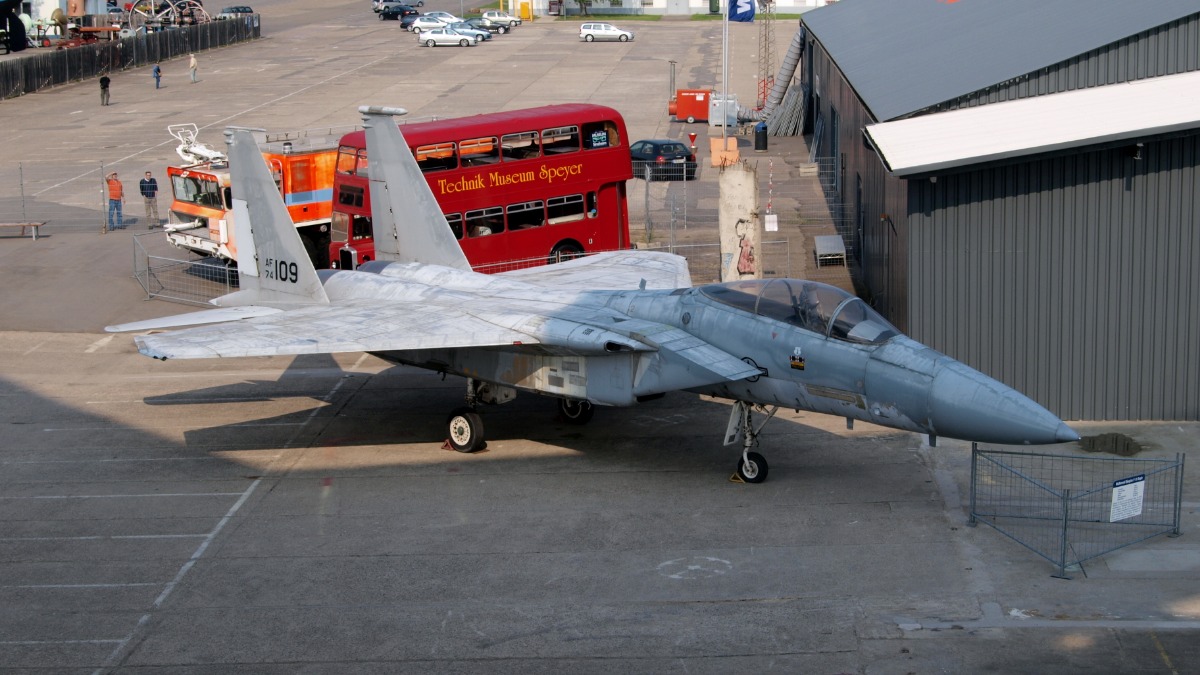
Iran claimed responsibility for shooting down a US F-15 fighter jet, marking the first such incident since the US and Israel launched attacks on Iran on February 28. Iran also claimed it shot down a US A-10 Warthog near the Strait of Hormuz the day before.
Trump had previously announced a 10-day deadline on March 26, warning Iran to open the Strait of Hormuz or face the “destruction” of their energy plants. That deadline was set to expire on Monday. Trump wrote, “Remember when I gave Iran ten days to MAKE A DEAL or OPEN UP THE HORMUZ STRAIT. Time is running out – 48 hours before all Hell will reign down on them. Glory be to GOD!”
Iran’s General Ali Abdollahi Aliabadi responded hours later, calling the threat a “helpless, nervous, unbalanced and stupid action,” and said the “simple meaning of this message is that the gates of hell will open for you.”
Trump has made several posts this week threatening to attack Iran’s power plants, oil facilities, and potentially all desalination plants. He threatened to bomb Iran “back to the Stone Ages” during a national address on Wednesday, and Iran’s finance minister has publicly mocked Trump’s “back to Stone Ages” threat, with Trump’s response revealing deeper concerns about the conflict.
On Friday, Trump cheered a strike on a bridge connecting Tehran to the Caspian Sea. Over 100 international law experts published an open letter this week warning that targeting civilian infrastructure could violate the Geneva Convention and potentially constitute war crimes.
Judge Leon did address national security in his ruling. He said he reviewed information privately submitted by the government and concluded that halting construction would not put national security at risk. He also exempted any construction work necessary for the safety and security of the White House from his order.
The NPS, however, argues in its motion that the president has “complete authority to renovate the White House,” and that the current open construction site makes it harder to protect the building. The NPS stated, “Canvas tents, which are necessary without a ballroom, are significantly more vulnerable to missiles, drones, and other threats than a hardened national security facility.”
The Trump administration has asked the appeals court to decide on their request by Friday, and also asked for the 14-day suspension of Judge Leon’s order to be extended by two more weeks, which would give them time to take the case to the US Supreme Court if needed.
Trump noted that the ruling still allows work on underground bunkers and other security measures to continue, though those specific measures will be paid for by taxpayers. Trump has consistently said that he and private donors will cover the costs of the ballroom construction itself.
On the diplomatic front, Iranian Foreign Minister Abbas Araghchi said on Saturday that Tehran remains open to diplomacy, even after rejecting what they called an “unreasonable” 15-point plan from the Trump administration.
Araghchi posted on X, “What we care about are the terms of a conclusive and lasting END to the illegal war that is imposed on us.” While Trump had previously praised Iran’s leaders as moderate and progressive, the single condition he has set for a deal continues to make any resolution seem distant.
The US has maintained that Iran’s demand to keep “sovereignty” over the Strait of Hormuz is a non-starter in any negotiations. Pakistan has said it will continue supporting ceasefire efforts despite ongoing “obstacles.” Experts have warned that the potential capture of a downed US pilot by Iran could give Tehran significant leverage and undermine US claims of a dominant position in negotiations.
Researcher Marina Miron from King’s College London noted, “Now we have a visible example that Iran still has the capability to target and successfully shoot down US aircraft,” calling the situation “a race for time” within a critical 72-hour window.




Published: Apr 5, 2026 06:45 am