



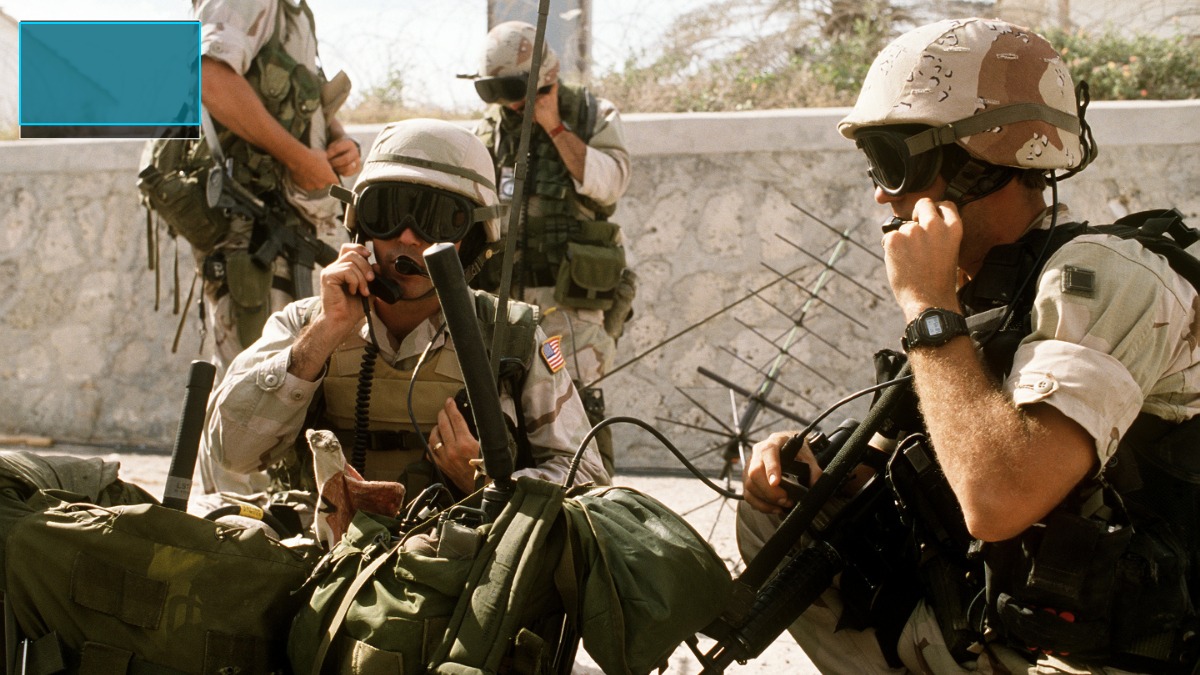

Eligible men will be automatically registered into the military draft pool by December, marking a significant shift from the previous self-registration process and aiming to save money, The Hill reported. This change is a pretty big deal, streamlining a system that’s been in place for decades and impacting a huge number of young adults across the country.
The government agency responsible for maintaining a database of men who could be called upon to serve in a national emergency, the Selective Service System (SSS), submitted a proposed rule to the Office of Information and Regulatory Affairs on March 30.
This is a fundamental overhaul of how young men engage with this civic responsibility. Most men between the ages of 18 and 25 are already required to register with the Selective Service, but this move to automatic registration was mandated in December as part of the fiscal 2026 National Defense Authorization Act. It essentially transfers the burden of registration from the individual to the SSS itself, using federal data sources to integrate and automate the process.
The proposed rule is currently under review by the regulatory affairs office and is awaiting finalization
If approved, it means that instead of remembering to fill out a form or check a box, men will simply find themselves registered automatically within 30 days of their 18th birthdays. This is a crucial detail, as it removes the potential for oversight or forgetfulness, ensuring a more comprehensive and up-to-date registry. The SSS, which operates as a quasi-independent agency separate from the Department of Defense, plays a vital role in national preparedness, maintaining this database of young American males potentially eligible for military service.
The United States hasn’t actually had a military draft since the Vietnam War, with military service remaining entirely voluntary since 1973. It’s been a long time since we’ve seen mandatory call-ups, which is why this discussion often sparks such intense interest and concern.
However, even with the voluntary military, the Selective Service System was reinstated by former President Jimmy Carter in 1980. This was done in the event of a “national emergency,” giving the government a mechanism to quickly “provide personnel to the Department of War and alternative service for conscientious objectors, if authorized by the President and Congress.”
Historically, the U.S. has imposed a wartime draft in six conflicts: the Revolutionary War, the Civil War, the First World War, the Second World War, the Korean War, and the Vietnam War. During the deeply unpopular Vietnam conflict, an estimated 1.8 million Americans were called up to serve, which gives you a sense of the scale a draft can reach.
The prospect of a U.S. military draft has taken on renewed relevance amid the ongoing war in Iran, which is currently in a tenuous two-week ceasefire. This conflict has many people wondering if mandatory military service could once again become a reality. White House press secretary Karoline Leavitt addressed these concerns, stating that while a draft is “not part of the current plan right now,” President Trump “wisely keeps his options on the table.”
It’s important to remember that President Trump alone cannot bring back the draft through executive action. Congress would need to pass legislation to amend the Military Selective Service Act, which would then authorize the president to induct personnel into the military. This means there’s a significant legislative hurdle before any draft could actually occur.
Still, President Trump had previously refused to rule out putting boots on the ground in the Middle East, despite having repeatedly promised an end to “forever wars” during his 2024 presidential campaign. Defense Secretary Pete Hegseth gave a similarly non-committal answer when asked about military operations, stating, “You don’t tell the enemy, you don’t tell the press, you don’t tell anybody what your limits would be on an operation.”






Published: Apr 9, 2026 04:00 pm