



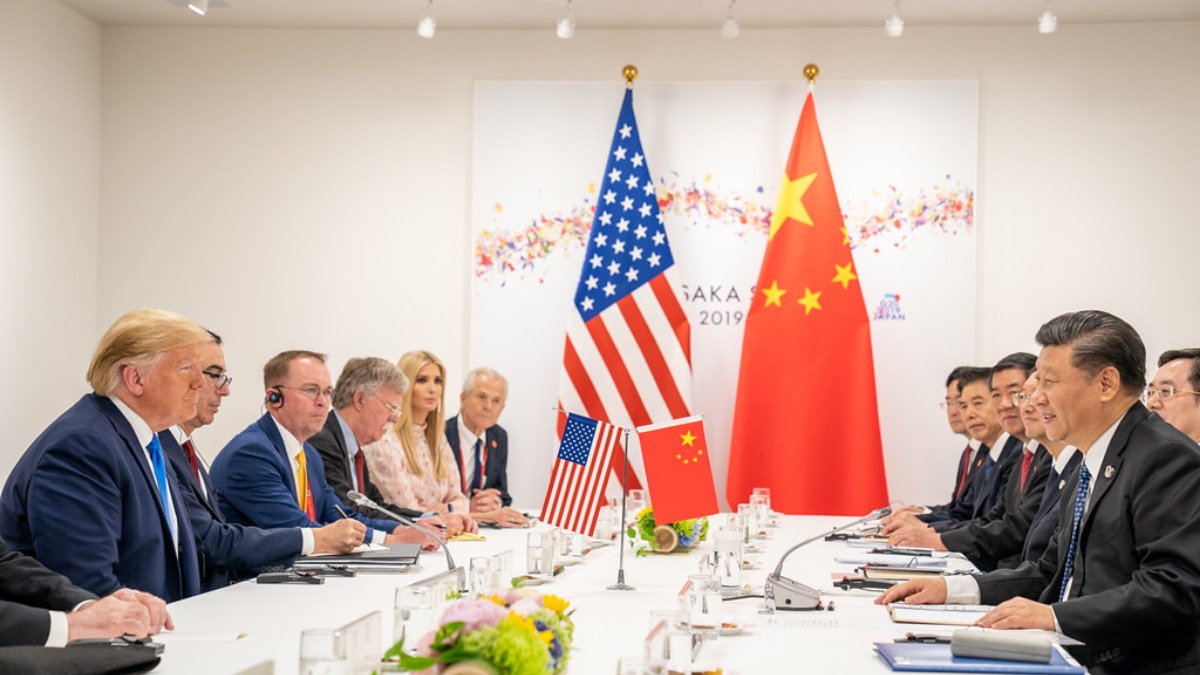

US intelligence reports say China is preparing to send new air defense systems to Iran within the coming weeks. This is seen as a serious escalation, as it would mean China is moving from supplying dual-use technology to directly providing active weapons systems. The timing is especially sensitive, coming right after Beijing claimed it helped broker the ceasefire that paused the fighting between Iran and the United States.
Three people familiar with the intelligence say the weapons in question are shoulder-fired anti-air missile systems, commonly known as MANPADS. These weapons are a serious threat to low-flying military aircraft, and they were already a constant danger to US assets throughout the five-week war. There are real concerns that they could become a major factor again if the ceasefire breaks down.
President Donald Trump addressed the reports as he left the White House for Florida. When asked whether he had spoken to Chinese leader Xi Jinping about the matter, Trump did not confirm any direct conversation but was clear about his position. According to CNN, he said, “If China does that, China will have big problems, OK?” This warning comes ahead of Trump’s planned visit to China early next month for high-level talks.
China’s denials are not calming US concerns as weapons shipment fears grow
Beijing has denied the claims entirely, reports the Hindustan Times. A spokesperson for the Chinese Embassy in Washington said China has never provided weapons to any party involved in the conflict and called the reports untrue. The spokesperson urged the US to stop making what they described as baseless allegations, saying China is a responsible major country that fulfills its international obligations.
China’s defense ministry spokesperson, Zhang Xiaogang, also firmly rejected reports that Chinese firms supplied satellite imagery or semiconductor manufacturing equipment to the Iranian military. Despite these denials, intelligence suggests China may be routing shipments through third countries to hide their origin, giving Beijing a level of plausible deniability.
One source noted that China likely sees no value in openly entering the conflict to support Iran, knowing such a confrontation with the US and Israel would be unwinnable. Trump has been navigating several sensitive issues on the home front as well, including Melania’s unexpected Epstein statement that Trump says he didn’t recommend.
Instead, Beijing appears to want to stay close to Iran, a country whose oil is vital to Chinese interests, while avoiding direct consequences. The Chinese government could potentially argue that air defense systems are defensive, not offensive weapons.
This would separate China’s approach from that of Russia, which has reportedly been sharing intelligence with Iran throughout the war to help Tehran target US troops and assets in the region. Iran and China have deep ties, with Iran selling most of its sanctioned oil to Beijing.
The ceasefire is currently under pressure, and there are fears that Iran is using this pause in fighting as a window to restock its weapons. Earlier talks in Islamabad, mediated by Pakistan, failed to produce a lasting agreement, which has raised concerns that the conflict could resume at any point. The Iran war has also drawn commentary from unexpected voices. Jake Paul’s advice to Trump on the Iran conflict raised questions about where the boxer’s true loyalties lie.
US trade representative Jamieson Greer has noted that relations between the two largest economies remain stable for now, but has also warned about China moving closer to Iran. There is also the threat of 50 percent tariffs on goods from countries that are found to be arming Tehran, which could significantly affect trade if the President decides to follow through. All eyes are now on whether this intelligence will affect the upcoming summit between the two powers.




Published: Apr 12, 2026 07:30 am