



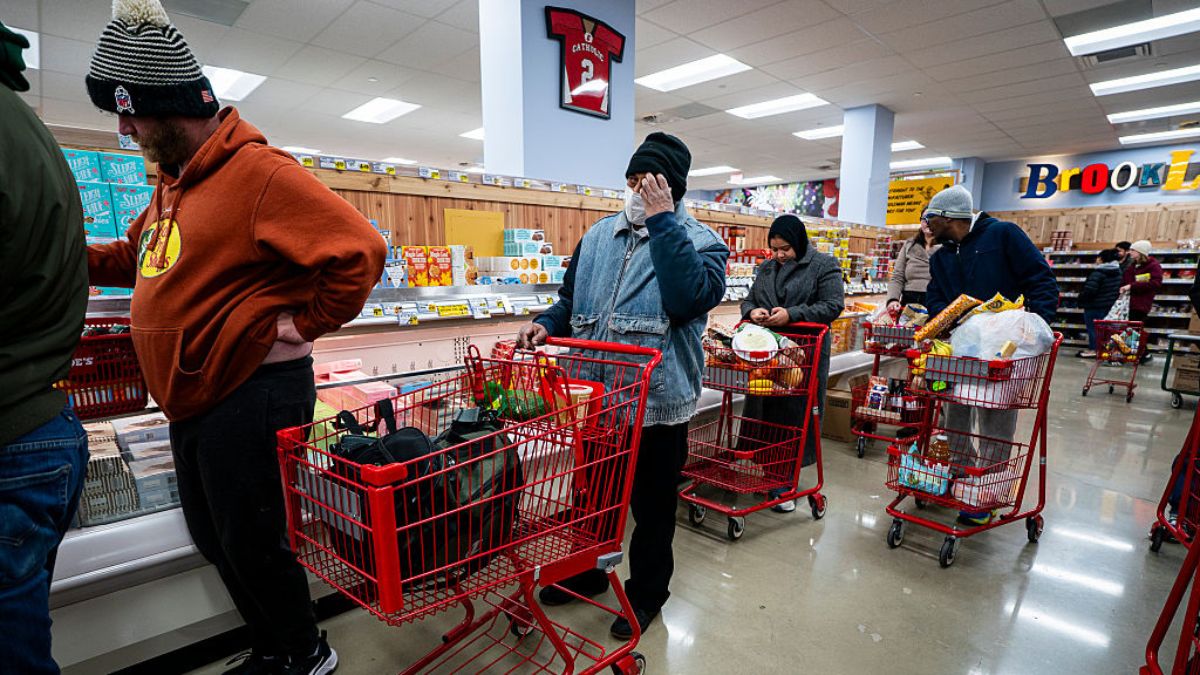

Consumer confidence in the United States fell sharply in January, dropping to its lowest level in more than a decade. The decline pushed confidence below even the worst levels recorded during the COVID-19 pandemic, raising fresh concerns about the strength of the economy. Because consumer spending accounts for the majority of U.S. economic activity, a drop of this size is seen as a serious warning sign.
According to Fox Business, the consumer confidence index fell 9.7 points in January to 84.5, down from 94.2 in December. That marks one of the steepest monthly declines in recent years. The last time the index fell this low was in May 2014, when it reached 82.2.
The report shows growing anxiety among Americans, particularly about jobs and income. Confidence declined across all five components of the index, indicating broad-based concern rather than weakness in a single area. Consumers expressed less optimism about current business conditions, job availability, and their personal financial outlook.
The expectations index signals serious trouble ahead
The expectations index, which measures how consumers feel about income, business, and job conditions in the near future, fell 9.5 points to 65.1. When this number drops below 80, it usually means a recession could be coming soon. People are less hopeful about their household income and job prospects six months from now.
The current situation index also declined. This index tracks how people view today’s business and labor market conditions, and it fell 9.9 points to 113.7 in January. Consumers see both business conditions and employment getting worse right now.
The drop in confidence affected everyone. Democrats, Republicans, and Independents all reported lower confidence, with Independents showing the sharpest decline. Confidence fell across all age groups and income levels, showing this worry affects everyone. Economic uncertainty has been growing, with concerns about Trump’s trade policies affecting international relations adding to the anxiety.
Some groups remain more hopeful. People under 35 are more confident than older Americans, with Gen Z showing the most optimism. However, those earning less than $15,000 per year remain the least confident group.
There were small positive signs. People felt slightly better about their current financial situation in January. But they felt worse about their family’s future financial health, which shows concerns about what’s ahead outweigh any current improvements. Job losses have been mounting in some states, with reports of massive employment cuts hitting Florida’s economy contributing to widespread worry.








Published: Jan 28, 2026 03:45 pm