



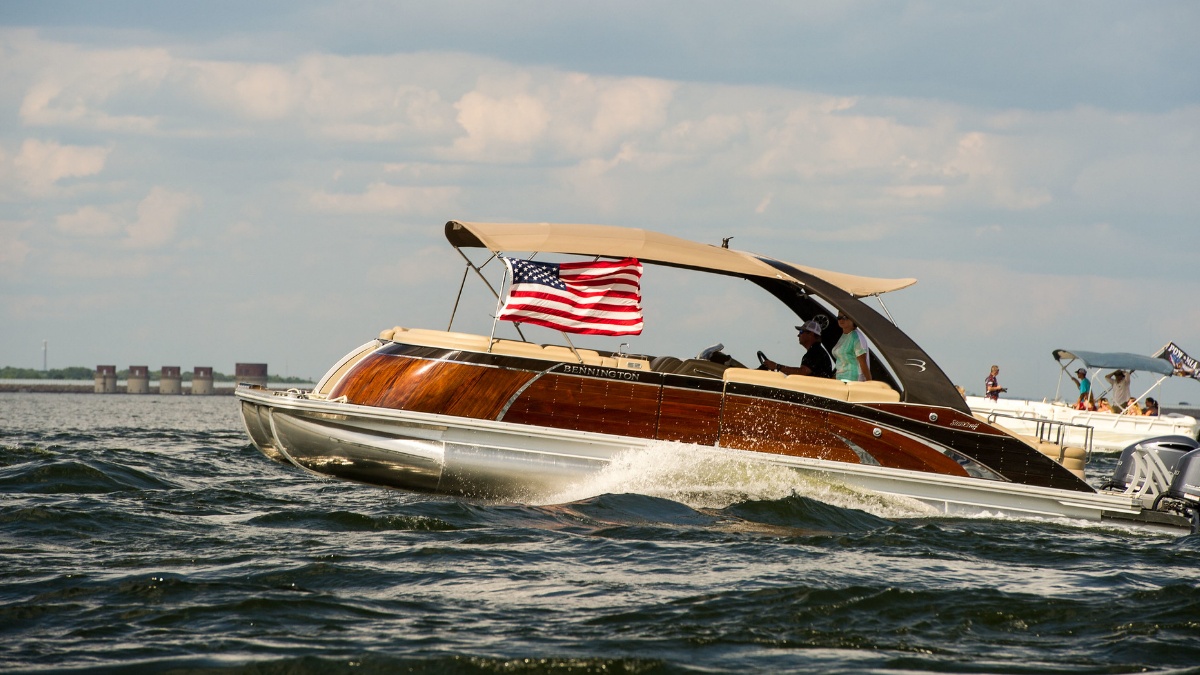

Cuban border guards killed four gunmen and wounded six others aboard a US registered speedboat off the coast of Villa Clara province this week. As reported by The Guardian, the Cuban Interior Ministry confirmed that one border guard was injured during the exchange of gunfire on Tuesday. The confrontation marks a rare and serious incident in Cuban territorial waters.
The clash comes amid heightened tensions between Washington and Havana, particularly as Cuba faces an acute energy and humanitarian crisis tied to US sanctions and restrictions on oil supplies. The Cuban embassy in Washington said on social media that the country would continue to defend its territorial waters, calling national defense a fundamental pillar of the state’s sovereignty and regional stability. The statement underscored the government’s position that it would respond forcefully to perceived threats.
The timing is notable, as the Trump administration has moved to moderately ease restrictions on certain oil transactions involving Cuba. The US Treasury Department announced Wednesday that it would permit American and some international companies to resell Venezuelan origin oil and petroleum products directly in Cuba, framing the decision as support for the Cuban people and private sector businesses.
The incident unfolded amid shifting oil policy and mounting regional pressure
The Treasury Department said the licensing guidance was issued in solidarity with the Cuban people and is intended to improve living conditions and support independent economic activity. The policy allows exports for commercial and humanitarian use but prohibits transactions involving the Cuban military, intelligence services, or other government institutions. The announcement came shortly after a State of Union election claim.
Tensions between the two countries have escalated since January, when the United States launched an operation to capture Venezuelan president Nicolás Maduro, a key Cuban ally. US officials, including Secretary of State Marco Rubio, have advocated for increased pressure on Havana in recent months. Rubio, the son of Cuban immigrants, has been among the administration’s most vocal critics of Cuba’s government.
Cuba’s energy shortages have intensified as oil imports have been constrained, leading to blackouts lasting between 12 and 20 hours a day in some regions. Regional leaders have warned that the island’s economic instability could have broader consequences for migration and security across the Caribbean, amid a UK travel rule change. In response, Mexico’s foreign ministry confirmed it had sent a second shipment of humanitarian aid, including beans and powdered milk, while Canada pledged 6.7 million dollars in food assistance through the United Nations, bypassing direct transfers to the Cuban government.
Roughly 10 percent of Cuba’s oil has traditionally come from Russia, and the United States has recently targeted what it describes as Russia’s dark fleet of tankers operating in violation of sanctions. The US military said Tuesday it had boarded a third oil tanker that fled the Venezuelan coast following the Maduro operation. During Tuesday’s State of the Union address, President Trump said the United States had received more than 80 million barrels of oil from Venezuela and stated that Venezuelan oil would be sold globally at the discretion of the US government.


Published: Feb 25, 2026 04:00 pm